
Introduction
What is Small Space Living?
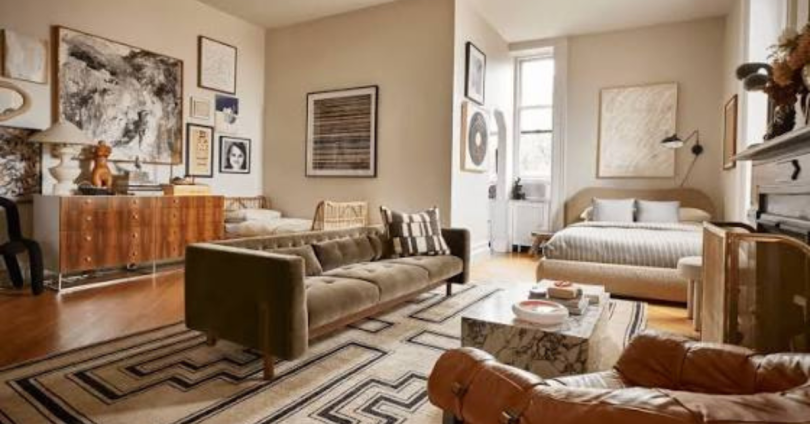
Small space living refers to a lifestyle where people live in compact homes such as studio apartments, small flats, or efficiently designed houses with limited square footage. It focuses on making the most of every available area through smart design, multifunctional furniture, and organized layouts. The goal is not just to fit everything in a small area, but to create a home that feels comfortable, functional, and well-balanced.
Why Compact Homes Are Becoming More Popular
Compact homes are becoming increasingly popular due to urbanization, rising housing costs, and changing lifestyle preferences. In many cities, smaller living spaces are more affordable and practical. At the same time, modern design innovations have made it possible to create stylish and highly functional small homes. People are also shifting toward simpler, more minimal lifestyles that prioritize experiences over excess space and possessions.
Benefits of Maximizing Small Spaces
Maximizing small spaces offers several advantages. It encourages better organization and reduces unnecessary clutter, leading to a more peaceful and manageable living environment. Small homes are often easier to maintain and clean, saving both time and effort. When designed well, compact spaces can also feel cozy, efficient, and surprisingly spacious, especially when smart layouts and storage solutions are used effectively.
Overview of the Ideas Covered in the Guide
This guide explores practical and creative ways to improve small space living. It covers smart furniture choices, storage solutions, color strategies, and multi-functional room designs. The focus is on making compact homes feel larger, more organized, and more comfortable without compromising on style or functionality.
Understanding Small Space Living
Challenges of Living in a Small Home
Living in a small home comes with unique challenges that require thoughtful design and organization. Limited floor space can make it difficult to store belongings, separate different living zones, or accommodate multiple activities at once. Without proper planning, small spaces can quickly feel crowded, cluttered, and restrictive. Privacy can also be a concern, especially in studio-style layouts where living, sleeping, and working areas overlap.
Importance of Smart Planning and Organization
Smart planning is essential for making small spaces functional and comfortable. Every corner must be used efficiently through well-thought-out layouts, multi-purpose furniture, and vertical storage solutions. Organization helps maintain order and prevents clutter from building up. When items are stored properly and spaces are clearly defined, even a compact home can feel structured, practical, and easy to live in.
Creating a Balance Between Comfort and Functionality
A well-designed small home should balance comfort with practicality. While maximizing space is important, it should not come at the cost of comfort. Furniture must be both space-efficient and comfortable, and layouts should allow smooth movement without feeling cramped. Soft textures, proper lighting, and thoughtful décor can enhance comfort while maintaining functionality, creating a home that feels both livable and efficient.
Common Misconceptions About Small Spaces
One common misconception is that small homes cannot be stylish or luxurious. In reality, compact spaces can be highly aesthetic when designed properly. Another myth is that small spaces always feel cramped, but with the right use of light, color, and layout, they can feel open and airy. Some also believe small homes limit lifestyle options, but smart design can support work, relaxation, entertainment, and storage just as effectively as larger homes.
Benefits of Small Space Living
Lower Maintenance and Cleaning Requirements
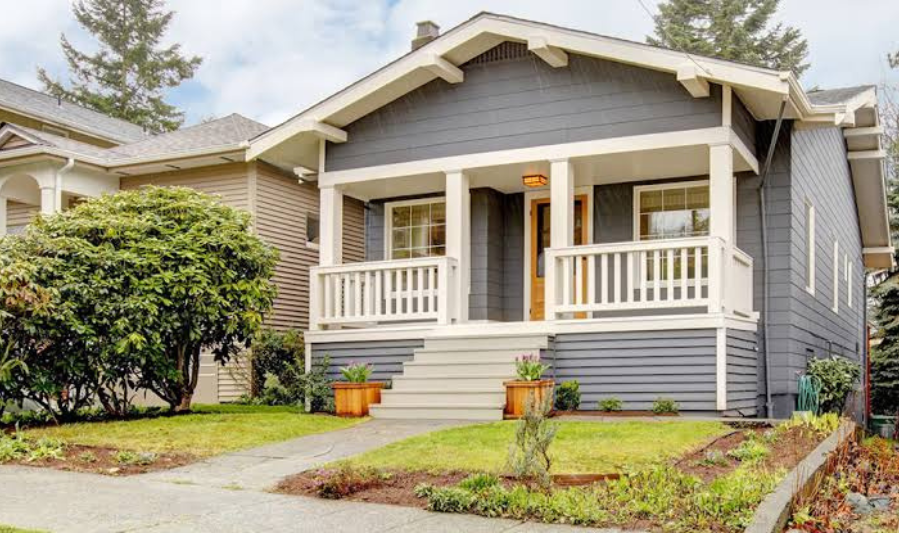
Small space living naturally reduces the amount of time and effort needed for cleaning and maintenance. With fewer rooms and less square footage, daily chores such as dusting, vacuuming, and organizing become quicker and easier. This allows residents to spend less time on upkeep and more time on work, hobbies, or relaxation.
Reduced Utility Costs
Compact homes generally require less energy for heating, cooling, and lighting. Because the space is smaller, utilities such as electricity and water are used more efficiently, leading to lower monthly bills. This makes small space living more budget-friendly in the long run while also promoting energy efficiency.
Encourages Minimalism and Organization
Living in a small home encourages people to be more intentional about what they own. Limited space naturally discourages unnecessary purchases and promotes mindful consumption. As a result, residents tend to develop better organizational habits and a more minimalist lifestyle, where only essential and meaningful items are kept.
More Sustainable Lifestyle
Small space living supports environmental sustainability by reducing overall resource consumption. Smaller homes require fewer building materials, less energy, and generate less waste. This makes them a more eco-friendly housing option, aligning with modern goals of reducing environmental impact and living responsibly.
Better Use of Available Resources
In compact homes, every square foot must be used wisely. This leads to smarter design choices such as multi-functional furniture, vertical storage, and efficient layouts. By optimizing available space, residents can enjoy a fully functional home that meets all their needs without excess or wasted areas.
Essential Small Space Living Ideas
4.1 Multi-Functional Furniture
Multi-functional furniture is one of the most effective ways to maximize small spaces without sacrificing comfort or style.
Sofa beds and daybeds: These pieces serve dual purposes, functioning as seating during the day and sleeping space at night, making them ideal for studio apartments or guest use.
Storage ottomans and benches: These provide seating while also offering hidden compartments for blankets, books, or daily essentials.
Extendable dining tables: Perfect for compact homes, these tables can expand when needed for guests and fold down to save space afterward.
Foldable desks and chairs: These allow for flexible workspaces that can be tucked away when not in use.
Convertible furniture solutions: Items like wall beds or modular seating systems adapt to different needs, helping one room serve multiple functions efficiently.
4.2 Smart Storage Solutions
Smart storage helps maintain order and prevents clutter from taking over limited space.
Hidden storage compartments: Built into furniture like beds, sofas, or stairs, these keep items out of sight while staying accessible.
Under-bed storage ideas: Drawers, boxes, or lift-up bed frames make use of otherwise wasted space.
Built-in cabinetry: Custom storage integrated into walls or architectural features maximizes efficiency and reduces visual clutter.
Storage baskets and bins: These help organize smaller items and keep shelves neat and structured.
Utilizing unused corners: Corner shelves or custom fittings turn awkward spaces into useful storage areas.
4.3 Vertical Space Utilization
Using vertical space is essential in small homes to increase storage without occupying floor area.
Floating shelves: These provide storage and display space while keeping the floor clear.
Wall-mounted cabinets: Ideal for kitchens, bathrooms, and living areas to store essentials efficiently.
Hanging organizers: Useful for closets, kitchens, or entryways to keep items easily accessible.
Tall storage units: Vertical cabinets maximize storage capacity while occupying minimal floor space.
Over-door storage systems: Hooks, racks, or organizers placed on doors help utilize often overlooked space.
4.4 Decluttering Strategies
Decluttering is key to maintaining comfort and functionality in small living environments.
Keeping only essential items: Focus on retaining items that are frequently used or hold personal value.
Seasonal organization methods: Rotate clothing, décor, and accessories based on seasons to reduce unnecessary clutter.
Donation and recycling tips: Regularly donate unused items or recycle old belongings to free up space.
Minimalist living principles: Adopting a minimalist mindset helps prevent over-accumulation and encourages a more organized, stress-free lifestyle.
Design Ideas to Make Small Spaces Feel Bigger
5.1 Light Color Schemes
Light color schemes are one of the most effective ways to visually expand small interiors.
White and neutral palettes: Shades like white, beige, and soft grey reflect light and make rooms feel more open and airy.
Soft pastel tones: Light blues, greens, and blush tones add subtle personality without overwhelming the space.
Monochromatic design approaches: Using different shades of a single color creates visual harmony and reduces fragmentation, making the room feel larger and more unified.
5.2 Mirrors and Reflective Surfaces
Reflective elements help bounce light around a room, instantly enhancing the sense of space.
Strategic mirror placement: Placing mirrors opposite windows or light sources amplifies natural light and creates depth.
Mirrored furniture: Items like mirrored cabinets or tables add elegance while visually reducing bulk.
Glass décor elements: Glass tables, shelves, and partitions maintain openness by allowing light and sightlines to pass through freely.
5.3 Maximizing Natural Light
Natural light plays a major role in making small spaces feel larger, brighter, and more welcoming.
Window treatment ideas: Use light, sheer curtains or blinds that allow sunlight to enter while maintaining privacy.
Furniture placement tips: Avoid blocking windows with large furniture; keep layouts open to let light flow freely.
Brightening dark corners: Add floor lamps, wall sconces, or reflective surfaces to eliminate shadowed areas and balance lighting throughout the room.
5.4 Open Layout Concepts
Open layouts help reduce visual boundaries and create a more spacious feeling in compact homes.
Removing visual barriers: Eliminating unnecessary walls or partitions helps create a seamless flow between areas.
Creating smooth room flow: Arrange furniture in a way that allows easy movement and uninterrupted sightlines across the space.
Combining living and dining spaces: Integrating multiple functions into one open area increases usability while maintaining a spacious, connected feel.
Small Living Room Ideas
Compact Furniture Selection
In a small living room, choosing the right furniture is essential for maintaining both comfort and space efficiency. Opt for compact sofas, slim-profile chairs, and lightweight coffee tables that don’t overwhelm the room. Furniture with exposed legs creates a sense of openness by allowing light and visibility underneath, making the space feel less crowded.
Space-Saving Entertainment Units
Entertainment areas can easily dominate a small living room, so space-saving designs are key. Wall-mounted TV units, floating media consoles, and slim storage cabinets help keep the floor clear. Built-in shelving around the TV can also provide storage without taking up extra space, creating a clean and integrated look.
Smart Seating Arrangements
Seating should be arranged to encourage conversation while maintaining clear pathways for movement. Placing sofas against walls or using corner seating helps maximize usable space. In very small rooms, a combination of a small sofa and accent chairs can offer flexibility without overcrowding the layout. Multi-functional seating, such as ottomans or benches, can also add extra seating when needed.
You may also like to read these posts:
Home Inspiration Ideas for Beginners: Simple Ways to Transform Your Space
Simple and Creative Home Inspiration Tips for Modern Living
Top Modern Interior Inspiration for Elegant Living Spaces
Wall-Mounted Décor and Storage
Using vertical space is crucial in compact living rooms. Wall-mounted shelves, floating cabinets, and hanging décor free up floor space while adding visual interest. These solutions help keep essentials organized without making the room feel cluttered. Vertical arrangements also draw the eye upward, creating the illusion of a taller and more spacious room.
Creating a Cozy Atmosphere
Even small living rooms can feel warm and inviting with the right design choices. Soft lighting, layered textures, and warm color tones help create a cozy environment. Adding cushions, throws, rugs, and personal décor elements makes the space feel lived-in and comfortable. Balancing coziness with simplicity ensures the room remains both welcoming and uncluttered.
Faqs:
What is small space living?
Small space living refers to designing and organizing compact homes, apartments, or studios in a way that maximizes comfort, functionality, and storage while making the space feel open and practical.
How can I make a small room look bigger?
You can make a small room look bigger by using light colors, adding mirrors, maximizing natural light, choosing minimal furniture, and keeping the space clutter-free.
What type of furniture is best for small spaces?
Multi-functional and space-saving furniture works best for small spaces, such as sofa beds, foldable tables, storage beds, nesting tables, and wall-mounted shelves.
How do I organize a small home effectively?
Effective organization includes using vertical storage, hidden compartments, baskets, decluttering regularly, and keeping only essential items to avoid overcrowding.
Can small space living be comfortable and stylish?
Yes, small space living can be both comfortable and stylish by using smart design ideas, proper lighting, functional furniture, and a clean, minimal layout.
Conclusion
Small space living is not about limitations—it’s about smart design and creative use of space. With the right planning, even the smallest home can feel open, stylish, and highly functional. By focusing on multi-purpose furniture, smart storage solutions, light colors, and clutter-free organization, you can maximize every corner of your home.
The key is to keep things simple, practical, and well-organized while adding personal touches that reflect your lifestyle. Small space living becomes truly comfortable when every element has a purpose and contributes to a clean, balanced environment.