
Introduction
Meaning of Simple Living in Modern Lifestyle
Simple living in today’s modern lifestyle refers to a way of life that focuses on reducing excess, avoiding unnecessary complexity, and prioritizing what truly matters. It is not about deprivation, but about creating space—physically, mentally, and emotionally—for a more balanced and meaningful life. In home design and daily routines, simple living emphasizes clarity, functionality, and ease.
Why Beginners Are Choosing Simple Living
Many beginners are drawn to simple living because modern life often feels overwhelming, fast-paced, and cluttered. With constant digital distractions and consumer pressure, people are seeking calmer, more intentional lifestyles. Simple living offers a way to regain control by reducing possessions, simplifying routines, and focusing on quality over quantity in both lifestyle and home environment.
Benefits of Starting Small
Starting small makes the transition to simple living more manageable and sustainable. Small changes—such as decluttering a single room, organizing essentials, or adopting minimal habits—help build consistency without feeling overwhelming. Over time, these small steps lead to clearer spaces, reduced stress, improved focus, and a stronger sense of control over daily life.
Overview of What the Guide Will Cover
This guide explores the foundations of simple living, including practical steps for decluttering, organizing spaces, and building mindful habits. It also covers home design ideas, lifestyle adjustments, and beginner-friendly strategies to create a more peaceful and intentional way of living. The aim is to provide easy, realistic inspiration for anyone starting their simple living journey.
Concept of Simple Living
Definition of Simple Living Lifestyle
Simple living is a lifestyle approach that focuses on reducing unnecessary complexity and prioritizing what is truly important in life. It encourages people to live with fewer distractions, fewer possessions, and more intentional choices. The goal is to create a life that feels calmer, more organized, and more meaningful, where time and energy are spent on experiences rather than excess material things.
Difference Between Simple Living and Minimalism
Although simple living and minimalism are closely related, they are not exactly the same. Minimalism is often more structured and design-focused, emphasizing clean spaces, limited possessions, and strict visual simplicity. Simple living, on the other hand, is broader and more lifestyle-oriented. It includes not only physical space but also habits, routines, and mindset. Simple living is more flexible and personal, allowing individuals to define what “simple” means for them.
Focus on Essentials and Meaningful Life
At the core of simple living is the idea of focusing only on essentials and what adds real value to life. This means keeping items, activities, and commitments that are useful, meaningful, or enjoyable, while letting go of unnecessary clutter and distractions. It encourages people to make thoughtful decisions about consumption and to prioritize quality over quantity in every aspect of life.
Mental and Emotional Impact of Simplicity
Simplicity has a strong positive impact on mental and emotional well-being. A simpler environment reduces stress, anxiety, and mental overload by removing visual and physical clutter. It helps improve focus, decision-making, and overall clarity of thought. Emotionally, simple living creates a sense of peace, balance, and contentment, allowing individuals to feel more in control of their lives and more connected to what truly matters.
Benefits of Simple Living
Reduced Stress and Anxiety
Simple living helps reduce mental pressure by removing unnecessary clutter, distractions, and commitments. A clean and organized environment creates a calmer atmosphere, which directly supports emotional well-being. When life feels less chaotic, stress levels naturally decrease, making it easier to relax and think clearly.
Better Financial Control
Living simply encourages mindful spending and reduces impulsive buying habits. By focusing only on essentials, individuals can avoid unnecessary expenses and save more effectively. This leads to better financial stability, reduced debt, and a greater sense of control over personal finances.
Improved Time Management
With fewer possessions to manage and fewer unnecessary activities to handle, daily routines become more efficient. Simple living reduces time spent on cleaning, organizing, and decision fatigue. This allows more time to focus on meaningful tasks, hobbies, and personal growth.
More Organized Lifestyle
Simple living naturally promotes organization in both physical spaces and daily routines. Keeping only essential items makes it easier to maintain order and find things quickly. This structured approach leads to a smoother, more predictable lifestyle with less frustration and confusion.
Increased Focus and Productivity
A simplified environment minimizes distractions, allowing better concentration on important tasks. Whether at home or work, fewer visual and mental interruptions improve focus and efficiency. This leads to higher productivity and a stronger ability to complete goals with clarity and purpose.
Core Principles of Simple Living
Living with Less but Better Quality
Simple living is not about giving up comfort—it is about choosing fewer things of higher quality. Instead of owning many low-value items, the focus is on durable, useful, and meaningful possessions. This approach reduces clutter and ensures that everything in life serves a real purpose or brings genuine satisfaction.
Intentional Decision-Making
At the heart of simple living is the practice of making thoughtful and intentional choices. This applies to purchases, time management, relationships, and daily habits. Rather than acting on impulse, individuals pause to consider whether something truly adds value to their life, leading to more meaningful and satisfying decisions.
Decluttering Mindset
A decluttering mindset involves regularly letting go of unnecessary physical and mental clutter. This includes unused items, outdated belongings, and even unhelpful thoughts or habits. By continuously simplifying surroundings and routines, individuals create space for clarity, calmness, and better focus in everyday life.
Prioritizing Needs Over Wants
Simple living encourages distinguishing between essential needs and temporary wants. Needs are things required for well-being and stability, while wants are often driven by desire or trends. By prioritizing needs, individuals avoid overconsumption and build a more stable, balanced, and responsible lifestyle.
Creating Balance in Daily Life
Balance is a key principle of simple living, ensuring that no area of life becomes overwhelming or neglected. It involves maintaining harmony between work and rest, responsibilities and leisure, as well as material and emotional needs. A balanced lifestyle supports long-term well-being and helps individuals live with greater peace and stability.
Simple Living Ideas for Beginners (Expanded Sections)
5.1 Decluttering Your Space
Decluttering is the first and most important step toward simple living. Start by breaking the process into small, manageable steps instead of trying to do everything at once. A room-by-room approach helps you stay focused and avoid feeling overwhelmed.
Go through each area and sort items into categories: keep, donate, recycle, or discard. This makes decision-making easier and more structured. Donation and recycling ensure that unused items are responsibly reused or disposed of.
One of the biggest challenges is emotional attachment to belongings. To overcome this, focus on usefulness rather than memory. If an item no longer serves a purpose or adds value, it may be time to let it go.
5.2 Minimalist Home Setup
A minimalist home setup focuses on simplicity, functionality, and openness. Choose furniture that is essential, practical, and visually clean, avoiding overly bulky or decorative pieces.
Keep spaces open and uncluttered to create a sense of calm and flow. Neutral colors such as white, beige, and grey help maintain a balanced and timeless environment.
Functional décor means choosing items that are both beautiful and useful—such as storage baskets, simple wall art, or multi-purpose furniture that enhances the space without overcrowding it.
5.3 Simplifying Daily Routine
Simple living also applies to how you structure your day. Establishing consistent morning and night routines helps create stability and reduces decision fatigue.
Good time management habits, such as planning your day in advance or prioritizing key tasks, make daily life more efficient. Reducing unnecessary activities frees up time for rest and meaningful work.
Building consistency is important—small, repeated habits are more effective than occasional large efforts in maintaining a simple lifestyle.
Simple Living Ideas for Home
Living Room
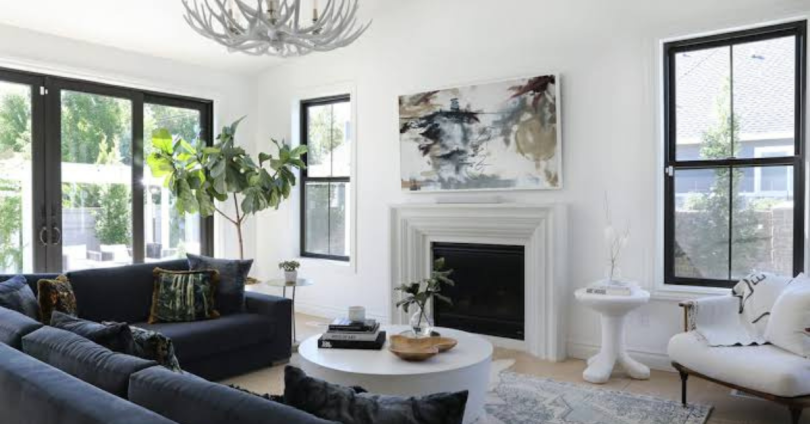
A simple living room focuses on openness, comfort, and functionality rather than excess decoration.
Minimal furniture setup: Choose only essential pieces such as a sofa, coffee table, and one or two chairs to avoid overcrowding the space.
Organized and open space: Keep walkways clear and avoid blocking movement with unnecessary items. Open floor space creates a calm and breathable environment.
Simple décor choices: Use minimal décor such as neutral rugs, soft cushions, and a few meaningful wall pieces to maintain a clean and balanced look.
Bedroom
The bedroom should be a peaceful retreat designed for rest and relaxation.
Calm and clutter-free environment: Keep surfaces clear and store unnecessary items out of sight to reduce visual stress.
Soft lighting and bedding: Use warm lighting, comfortable mattresses, and soft bedding materials like cotton or linen to enhance comfort.
Relaxation-focused design: Stick to soothing colors and minimal décor to promote better sleep and a stress-free atmosphere.
Kitchen
A simple kitchen prioritizes efficiency, cleanliness, and ease of use.
Only essential utensils: Keep only frequently used cookware and tools to avoid clutter and simplify cooking.
Organized storage system: Use cabinets, drawers, and containers to categorize and store items neatly for easy access.
Clean cooking space: Maintain clear countertops and regularly clean surfaces to ensure a hygienic and functional kitchen environment.
You may also like to read these posts:
Home Inspiration Ideas for Beginners: Simple Ways to Transform Your Space
Simple and Creative Home Inspiration Tips for Modern Living
Top Modern Interior Inspiration for Elegant Living Spaces
7. Simple Living for Small Spaces
Multi-Purpose Furniture
In small homes, furniture should serve more than one function. Sofa beds, foldable tables, and storage benches help maximize usability without taking up extra space.
Smart Storage Solutions
Efficient storage is essential for maintaining simplicity in compact spaces. Hidden compartments, under-bed storage, and modular shelving help keep belongings organized and out of sight.
Vertical Space Usage
Using walls effectively increases storage without reducing floor area. Wall-mounted shelves, tall cabinets, and hanging organizers help utilize vertical space efficiently.
Light Color Strategies
Light colors such as white, beige, and soft pastels make small spaces feel larger and more open. A consistent color palette creates visual harmony and reduces the feeling of clutter.
Faqs:
What is simple living for beginners?
Simple living for beginners means starting a lifestyle that focuses on reducing clutter, unnecessary expenses, and distractions, while prioritizing what truly matters in daily life.
How do I start simple living as a beginner?
You can start by decluttering your home, simplifying your daily routine, avoiding impulse purchases, and focusing only on essential items and habits.
Is simple living the same as minimalism?
Not exactly. Simple living is a broader lifestyle focused on peace and balance, while minimalism specifically focuses on reducing possessions to a minimum.
Can simple living improve mental health?
Yes, simple living can reduce stress and anxiety by removing clutter, simplifying decisions, and creating a more peaceful and organized environment.
Do I need to spend money to start simple living?
No, simple living does not require spending money. In fact, it helps you save money by reducing unnecessary purchases and focusing on what you already have.
Conclusion
Simple living for beginners is not about restriction—it’s about creating space for clarity, peace, and meaningful living. By slowly reducing clutter, simplifying daily routines, and focusing on essential needs, you can build a lifestyle that feels lighter and more balanced.
The key is to start small and stay consistent. Even minor changes like organizing your space, limiting unnecessary purchases, or reducing digital distractions can make a big difference over time.
With these Simple Living Ideas for Beginners, you can gradually move toward a calmer, more intentional, and more fulfilling way of life.