
Introduction
Meaning of Comfortable Living in Modern Lifestyle
Comfortable living in today’s lifestyle goes beyond having a beautiful home. It refers to creating a living environment that supports relaxation, convenience, and overall well-being. Modern comfort is achieved through thoughtful design, functional spaces, and features that make daily life easier and more enjoyable. A comfortable home adapts to the needs of its occupants, providing a sense of security, balance, and ease.
Importance of Comfort in Home Design
Comfort is one of the most important goals of modern home design. While aesthetics contribute to a home’s appeal, true success lies in how well the space supports everyday living. Comfortable homes are designed with practical layouts, ergonomic furniture, appropriate lighting, and efficient storage solutions. These elements work together to create spaces that are both inviting and functional.
How Comfort Improves Mental and Physical Well-Being
A well-designed, comfortable home can have a positive impact on both mental and physical health. Organized and clutter-free spaces help reduce stress and create a sense of calm. Natural light, proper ventilation, and comfortable furnishings contribute to better mood, improved focus, and enhanced relaxation. Physically, ergonomic furniture and well-planned layouts can reduce strain and support healthier daily routines.
Overview of What the Article Will Cover
This article explores the key aspects of comfortable living and how modern home design can enhance everyday life. It covers the principles of comfort-focused interiors, room-by-room design ideas, furniture and color choices, lighting strategies, smart storage solutions, and ways to create relaxing, functional spaces. Together, these topics provide practical inspiration for designing a home that promotes comfort, well-being, and a higher quality of life.
Concept of Comfortable Living
Difference Between Stylish and Comfortable Living
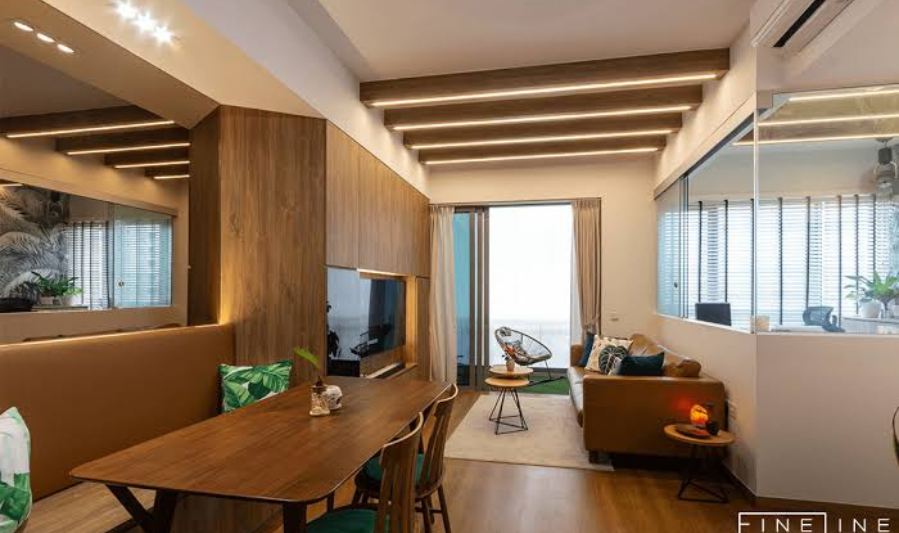
Stylish living focuses primarily on appearance and visual appeal, while comfortable living prioritizes how a space feels and functions in everyday life. A stylish home may feature trendy furniture, decorative elements, and striking designs, but comfort-centered living ensures that these features also support relaxation and practicality. The ideal home combines both, creating spaces that are attractive without sacrificing ease of use.
Focus on Relaxation, Peace, and Usability
Comfortable living is built around creating an environment that promotes relaxation, peace, and convenience. Spaces are designed to reduce stress and support daily routines through thoughtful layouts, cozy furnishings, and calming color palettes. Every room should feel welcoming and easy to use, allowing occupants to rest, work, and socialize comfortably without unnecessary obstacles or distractions.
Balance Between Aesthetics and Functionality
A key principle of comfortable living is maintaining a balance between beauty and functionality. Furniture, décor, and design elements should enhance the appearance of a home while also serving practical purposes. Comfortable seating, efficient storage, proper lighting, and durable materials contribute to a space that is both visually appealing and highly functional. This balance ensures long-term satisfaction and usability.
Why Comfort Matters More Than Luxury
Luxury often focuses on expensive materials, high-end finishes, and exclusive features, while comfort emphasizes personal well-being and everyday enjoyment. A home does not need to be extravagant to feel welcoming and fulfilling. Comfortable living prioritizes quality of life by creating spaces that support physical relaxation, emotional well-being, and practical living. In the long run, a comfortable home often provides greater value than one designed solely around luxury or status.
Core Principles of a Comfortable Home
Soft and Cozy Environment
A comfortable home should feel warm, inviting, and relaxing from the moment you enter. Soft furnishings such as plush sofas, cushioned seating, cozy rugs, and layered textiles help create a welcoming atmosphere. Natural materials and comfortable fabrics add warmth and make living spaces feel more personal and enjoyable. The goal is to design an environment that encourages relaxation and a sense of ease.
Clutter-Free and Organized Space
Organization plays a crucial role in maintaining comfort. Excess clutter can make rooms feel stressful and overwhelming, while a tidy space promotes calmness and efficiency. Smart storage solutions, built-in cabinets, baskets, and shelving systems help keep belongings organized and easily accessible. A clutter-free home creates a cleaner visual environment and allows people to focus on comfort rather than distractions.
Warm and Calming Color Palette
Colors have a significant impact on mood and atmosphere. Comfortable homes often use warm neutrals, soft earth tones, and gentle shades of beige, cream, taupe, and muted greens or blues. These colors create a soothing environment that promotes relaxation and emotional well-being. A calming color palette also helps make spaces feel more cohesive and inviting.
Proper Lighting Balance
Lighting is essential for creating comfort throughout the home. A balanced lighting scheme combines natural light with ambient, task, and accent lighting to suit different activities and moods. Soft, warm lighting can make spaces feel cozy and relaxing, while natural daylight improves energy levels and enhances overall well-being. Adjustable lighting options provide flexibility and help create the right atmosphere at any time of day.
Functional and User-Friendly Layout
A comfortable home should be easy to navigate and support daily routines. Furniture placement, room flow, and accessibility should be carefully planned to maximize convenience and usability. Functional layouts ensure that spaces serve their intended purpose without feeling crowded or restrictive. By prioritizing movement, efficiency, and comfort, homeowners can create environments that are both practical and enjoyable to live in.
Best Comfortable Living Ideas & Tips (Expanded Sections)
4.1 Comfortable Furniture Selection
Ergonomic Sofas and Chairs
Comfortable furniture should support the body’s natural posture while providing relaxation. Ergonomic sofas and chairs help reduce strain on the back, neck, and shoulders, making them ideal for daily use. Proper cushioning and supportive designs contribute to long-term comfort and well-being.
Soft Cushions and Mattresses
Quality cushions and mattresses play a major role in creating a comfortable home. Soft yet supportive cushions enhance seating comfort, while a well-designed mattress improves sleep quality and overall health. Investing in comfort-focused bedding can significantly improve daily relaxation.
Multi-Purpose Furniture
Multi-functional furniture combines practicality with comfort. Storage ottomans, reclining sofas, and convertible furniture help maximize space while maintaining convenience. These pieces are particularly useful in smaller homes where flexibility is important.
Importance of Comfort Over Style Alone
While attractive furniture enhances a room’s appearance, comfort should remain the top priority. A beautiful chair that is uncomfortable to sit in provides little long-term value. The best furniture choices balance aesthetics with functionality and everyday usability.
4.2 Lighting for Comfort
Warm vs Cool Lighting Effects
Warm lighting creates a cozy, relaxing atmosphere that is ideal for living rooms and bedrooms. Cool lighting provides brightness and focus, making it suitable for workspaces and kitchens. Choosing the right light temperature helps support the purpose of each room.
Layered Lighting Concept (Ambient, Task, Accent)
A comfortable home uses multiple layers of lighting. Ambient lighting provides overall illumination, task lighting supports specific activities, and accent lighting highlights decorative features. Together, these layers create flexibility and visual comfort.
Natural Light Importance
Natural light improves mood, enhances energy levels, and makes spaces feel more open and inviting. Large windows, skylights, and unobstructed layouts help maximize daylight throughout the home.
Creating Cozy Evening Lighting
Soft lamps, dimmable fixtures, and warm-toned bulbs help create a relaxing atmosphere in the evening. Indirect lighting can reduce harsh shadows and contribute to a peaceful environment.
4.3 Color Psychology for Comfort
Soft Neutral Tones (Beige, Cream, Grey)
Neutral colors create a calm and balanced atmosphere. Shades such as beige, cream, and soft grey help rooms feel spacious, peaceful, and timeless while providing a versatile backdrop for décor.
Warm Earthy Shades
Earth-inspired colors like terracotta, warm brown, olive green, and muted clay tones bring warmth and a natural sense of comfort to interiors. These colors help create a cozy and welcoming environment.
Avoiding Harsh or Overly Bright Colors
Extremely bright or intense colors can sometimes create visual stress and make spaces feel overwhelming. Using bold colors in moderation helps maintain a comfortable and relaxing atmosphere.
Emotional Impact of Colors
Colors influence mood and emotional well-being. Soft blues and greens encourage relaxation, warm tones create comfort and energy, and neutrals promote balance and tranquility.
4.4 Decluttering & Organization
Importance of Clean Space for Mental Peace
A clutter-free environment reduces distractions and helps create a sense of order. Organized spaces often feel more relaxing and contribute to lower stress levels.
Storage Solutions and Organizers
Shelving systems, storage baskets, drawer organizers, and built-in cabinets help keep belongings neatly arranged. Effective storage makes it easier to maintain a tidy and functional home.
Minimalism for Comfort
Minimalism focuses on keeping only necessary and meaningful items. Reducing excess belongings creates a calmer environment and allows important elements of the space to stand out.
Daily Habits for Maintaining Cleanliness
Simple habits such as returning items to their designated places, cleaning regularly, and organizing small areas each day help maintain long-term comfort and order.
4.5 Soft Textures & Fabrics
Rugs, Cushions, and Curtains
Soft furnishings add warmth and comfort to a home. Area rugs create a cozy foundation, cushions enhance seating comfort, and curtains soften the overall appearance of a room.
Layered Bedding Ideas
Layering blankets, duvets, throws, and pillows creates a luxurious yet comfortable sleeping environment. Different textures add visual interest and enhance relaxation.
Natural Fabrics Like Cotton and Linen
Natural materials such as cotton, linen, and wool are breathable, durable, and comfortable. These fabrics contribute to a healthier and more inviting indoor environment.
Adding Warmth Through Textures
Combining smooth, soft, and woven textures creates depth and coziness. Texture helps make spaces feel welcoming without relying heavily on decorative elements.
4.6 Indoor Plants & Natural Elements
Biophilic Design Concept
Biophilic design focuses on strengthening the connection between people and nature. Incorporating natural elements into the home can improve comfort and overall well-being.
Best Indoor Plants for Comfort
Low-maintenance plants such as snake plants, pothos, peace lilies, and spider plants are popular choices for adding greenery and freshness to indoor spaces.
Wooden and Natural Materials
Wood, bamboo, stone, and other natural materials add warmth and authenticity to interiors. These materials help create a grounded and relaxing atmosphere.
Connection with Nature
Natural elements can reduce stress, improve mood, and make living spaces feel more balanced. Bringing nature indoors contributes to a healthier and more comfortable home environment.
4.7 Relaxation Zones in Home
Reading Corners
A comfortable chair, soft lighting, and a small bookshelf can transform an unused corner into a peaceful reading retreat.
Meditation or Yoga Space
A dedicated area for meditation, stretching, or yoga promotes mindfulness and relaxation. Simple décor and minimal distractions help create a calming environment.
Balcony Relaxation Setups
Balconies can become comfortable outdoor escapes with cozy seating, plants, and soft lighting. Even small balconies can provide a refreshing place to unwind.
Personal Comfort Zones
Creating a space dedicated to personal hobbies, relaxation, or quiet reflection helps support emotional well-being and provides a retreat from daily stress.
5. Room-by-Room Comfortable Living Ideas
Living Room
Cozy Seating Arrangement
Arrange sofas and chairs to encourage conversation and relaxation. Comfortable seating with soft cushions and supportive backs helps create a welcoming gathering space.
Soft Lighting Setup
Use floor lamps, table lamps, and warm ambient lighting to create a cozy atmosphere. Layered lighting allows flexibility for different activities and moods.
Minimal Yet Warm Décor
Keep decorative elements simple while incorporating warm textures, natural materials, and personal touches to create a balanced and inviting environment.
You may also like to read these posts:
Home Inspiration Ideas for Beginners: Simple Ways to Transform Your Space
Simple and Creative Home Inspiration Tips for Modern Living
Top Modern Interior Inspiration for Elegant Living Spaces
Bedroom
Sleep-Friendly Environment
A comfortable bedroom should minimize distractions and promote restful sleep. Soft colors, reduced clutter, and a quiet atmosphere support relaxation.
Mattress and Bedding Comfort
A supportive mattress, breathable bedding, and comfortable pillows are essential for quality sleep and overall well-being.
Calm and Peaceful Design
Simple furniture, soothing colors, and soft lighting help create a restful retreat where relaxation comes naturally.
Kitchen
Organized and Easy Workflow
Arrange appliances, storage, and work areas efficiently to make cooking and cleaning easier. Good organization improves both comfort and productivity.
Clean and Functional Layout
A clutter-free kitchen with adequate storage and accessible workspaces creates a more enjoyable cooking experience while maintaining a modern appearance.
Bathroom
Simple, Fresh, and Clean Design
Modern bathrooms prioritize cleanliness, simplicity, and functionality. Light colors and uncluttered surfaces help create a fresh and inviting atmosphere.
Relaxing Atmosphere Ideas
Soft lighting, natural materials, scented candles, plush towels, and greenery can transform a bathroom into a spa-like retreat that promotes relaxation and comfort.
Comfortable Living for Small Spaces
Space-Saving Furniture Ideas
In small homes, furniture should maximize comfort without taking up unnecessary space. Multi-purpose pieces such as sofa beds, foldable dining tables, nesting tables, and storage ottomans provide flexibility while reducing clutter. Wall-mounted desks and fold-down workstations are also excellent solutions for creating functional spaces without sacrificing valuable floor area.
Smart Storage Solutions
Effective storage is essential for maintaining comfort in compact living environments. Built-in cabinets, under-bed storage, floating shelves, and vertical shelving systems help utilize every available inch of space. Hidden storage furniture, such as beds with drawers and benches with storage compartments, keeps belongings organized while preserving a clean and uncluttered appearance.
Light Colors to Expand Space Visually
Light color palettes can make small rooms feel larger and more open. Shades of white, cream, beige, soft grey, and pastel tones reflect natural light and create a sense of spaciousness. Using similar colors for walls, ceilings, and larger furniture pieces helps maintain visual continuity, making rooms appear less confined and more inviting.
Multi-Functional Room Setup
Modern small-space living often requires rooms to serve multiple purposes. A living room can function as a workspace, a guest room, or a reading area with the help of adaptable furniture and thoughtful planning. Using area rugs, shelving units, or lighting to define different zones allows a single room to accommodate various activities while maintaining comfort and organization.
By combining smart furniture choices, efficient storage, light color schemes, and flexible layouts, even the smallest homes can feel comfortable, functional, and welcoming.
Faqs:
What does comfortable living mean?
Comfortable living means creating a home environment that promotes relaxation, convenience, and well-being through functional layouts, cozy furnishings, proper lighting, and organized spaces.
How can I make my home more comfortable?
You can make your home more comfortable by using soft furniture, improving lighting, reducing clutter, adding cozy textiles, and choosing calming colors that create a relaxing atmosphere.
What colors are best for a comfortable living space?
Soft and neutral colors such as beige, cream, light grey, soft white, and warm earth tones are ideal for creating a comfortable and welcoming living environment.
Can I create a comfortable home on a budget?
Yes, you can create a comfortable home without spending a lot of money by decluttering, rearranging furniture, adding affordable cushions and rugs, using warm lighting, and incorporating indoor plants.
Why is comfortable living important?
Comfortable living helps reduce stress, improves daily well-being, supports better relaxation, and creates a positive environment where you can feel happy, productive, and at ease.
Conclusion
Creating a comfortable home is about more than just decoration—it’s about designing a space that supports your lifestyle, promotes relaxation, and makes everyday living more enjoyable. By focusing on comfortable furniture, warm lighting, calming colors, organized spaces, and natural elements, you can create a home that feels welcoming and peaceful.
The best part is that comfortable living doesn’t require a large budget or a complete renovation. Small changes, such as decluttering, adding soft textures, or improving lighting, can make a significant difference. Use these Comfortable Living Ideas Tips to transform your home into a cozy retreat where you can relax, recharge, and enjoy every moment.