
Introduction
Meaning of Home Living Inspiration
Home living inspiration refers to ideas, styles, and design concepts that help shape the way a home looks, feels, and functions. It includes everything from interior design trends and furniture arrangements to color schemes, lighting, and lifestyle-focused layouts. The goal of home inspiration is to create spaces that reflect personal taste while improving everyday living.
Why Home Design Inspiration Matters Today
In today’s fast-paced world, people spend more time at home than ever before, whether working, relaxing, or socializing. Because of this, home design inspiration has become more important in creating spaces that are both functional and visually appealing. With the rise of digital platforms and global design trends, it is now easier to explore and adapt new ideas that improve how homes are designed and experienced.
How It Improves Lifestyle, Comfort, and Mood
Good home design inspiration directly impacts lifestyle quality. A well-designed space can improve comfort, reduce stress, and enhance productivity. Thoughtful layouts, calming colors, and organized spaces create a positive environment that supports mental well-being. When a home feels comfortable and balanced, it naturally improves mood and daily living experiences.
Overview of What the Article Will Cover
This article explores key aspects of home living inspiration, including design principles, room-by-room ideas, color and furniture guidance, and modern lifestyle trends. It also highlights practical ways to improve comfort, functionality, and aesthetics in different types of homes. The aim is to provide simple yet effective inspiration for creating beautiful, livable spaces.
Concept of Home Living Design
Balance Between Style and Functionality
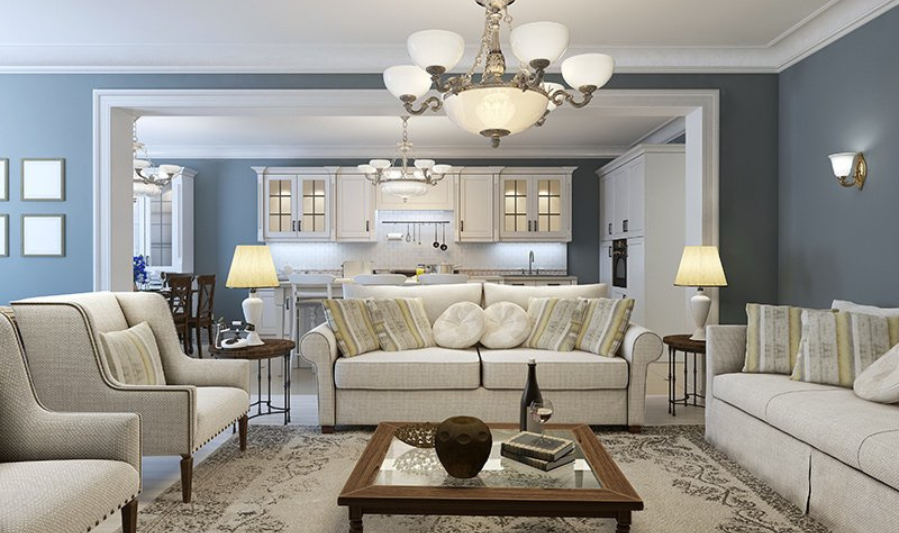
Home living design is built on the balance between how a space looks and how it works. Style focuses on visual appeal—colors, textures, and overall aesthetics—while functionality ensures that the home supports everyday activities with ease. A well-designed home does not prioritize one over the other; instead, it blends both so that spaces are attractive, practical, and easy to live in.
Importance of Comfort in Daily Living
Comfort is at the heart of home living design because a home should feel like a place of rest and ease. This includes comfortable furniture, proper lighting, good ventilation, and layouts that support natural movement. When comfort is prioritized, daily routines become smoother, stress levels reduce, and the home becomes a space where people can truly relax and recharge.
Role of Personal Taste in Home Design
Personal taste gives a home its identity. While trends and design principles provide guidance, individual preferences determine how a space ultimately looks and feels. Choices in color, furniture style, décor, and layout reflect personality and lifestyle. A well-designed home allows room for self-expression while still maintaining balance and harmony in the overall design.
Core Principles of Inspiring Home Living Spaces
Clean and Clutter-Free Environment
An inspiring home begins with simplicity and order. A clean, clutter-free environment creates visual calm and makes spaces feel more open and welcoming. By reducing unnecessary items and organizing belongings properly, the home becomes easier to maintain and more enjoyable to live in. This sense of order also helps reduce stress and improves focus in daily life.
Smart Use of Space
Efficient space planning is essential for creating inspiring interiors, especially in modern homes. Every area should serve a purpose, whether for storage, relaxation, or work. Multi-functional furniture, built-in storage, and well-planned layouts help maximize usability without overcrowding the space. Smart use of space ensures that even small homes feel practical and comfortable.
Natural Light Importance
Natural light plays a major role in enhancing the beauty and mood of a home. It makes rooms feel larger, brighter, and more inviting while also improving overall well-being. Large windows, open layouts, and light-reflecting surfaces help maximize sunlight throughout the day. A well-lit home feels more energetic, fresh, and visually appealing.
Comfortable Furniture Selection
Furniture should support both comfort and lifestyle needs. Choosing ergonomic, well-cushioned, and appropriately sized furniture ensures that spaces are not only stylish but also functional. Comfortable seating, supportive beds, and practical tables contribute to a home that feels relaxing and easy to use on a daily basis.
Harmonized Color Palette
A balanced and coordinated color palette brings harmony to home interiors. Soft neutrals, warm earth tones, and subtle accent colors create a cohesive and visually pleasing environment. When colors are thoughtfully combined, they enhance mood, improve flow between spaces, and create a unified design that feels calm and inspiring throughout the home.
Best Home Living Ideas Inspiration (Expanded Sections)
4.1 Open and Airy Living Spaces
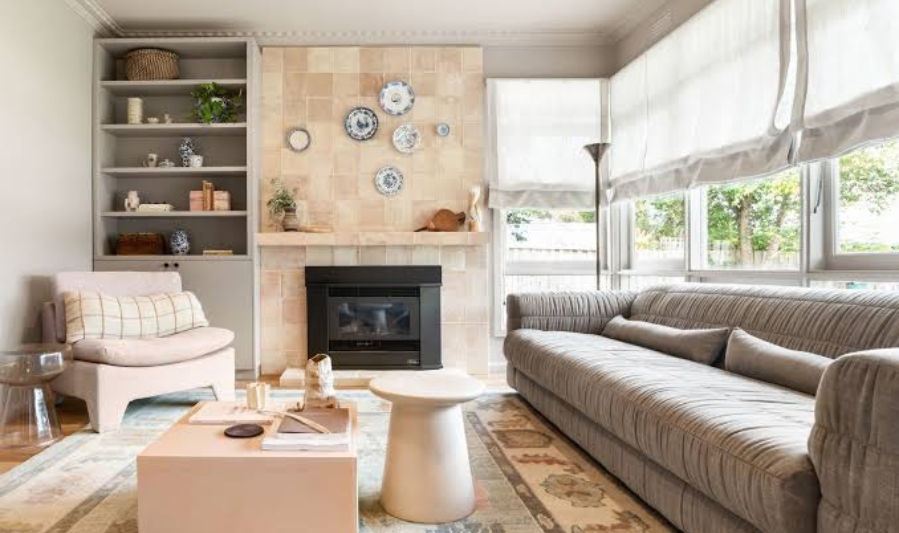
Open and airy layouts create a sense of freedom and spaciousness inside the home. Open-plan designs combine living, dining, and sometimes kitchen areas into a single flowing space, making the home feel larger and more connected. Removing unnecessary walls improves movement and allows natural light to travel easily across rooms. Visual expansion techniques such as consistent flooring, light color palettes, and minimal partitions help maintain a smooth and uninterrupted spatial flow.
4.2 Comfortable Furniture Selection
Furniture plays a major role in shaping both comfort and functionality in a home. Ergonomic and soft furniture ensures physical comfort while supporting daily activities. Multi-purpose furniture—such as sofa beds, storage ottomans, and extendable tables—adds flexibility to compact or modern spaces. Space-saving furniture trends focus on compact, modular, and convertible designs that adapt to different needs. Proper furniture placement also enhances movement flow and prevents overcrowding, creating a balanced and livable environment.
4.3 Lighting Inspiration
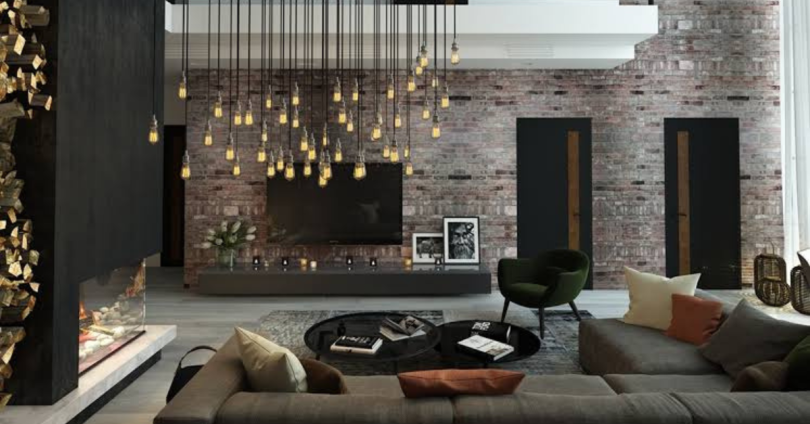
Lighting is essential for setting mood and enhancing interior aesthetics. Maximizing natural lighting makes spaces feel brighter, healthier, and more open. Warm lighting creates a cozy and relaxing atmosphere, while cool lighting supports focus and productivity. A layered lighting concept combines ambient, task, and accent lighting to provide flexibility for different activities. Decorative lighting such as pendant lights, floor lamps, and wall sconces adds personality and visual interest to interiors.
4.4 Indoor Plants & Natural Elements
Biophilic design brings nature into living spaces to improve comfort and well-being. Indoor plants such as snake plants, pothos, peace lilies, and spider plants are popular for their low maintenance and air-purifying qualities. Natural materials like wood, stone, rattan, and bamboo add warmth and texture to interiors. Greenery and natural elements help reduce stress, improve air quality, and create a refreshing and calming home environment.
4.5 Smart Storage & Organization
Smart storage is key to maintaining clean and functional living spaces. Hidden storage solutions such as under-bed drawers, built-in cabinets, and furniture with concealed compartments help reduce visible clutter. Wall-mounted storage systems like shelves and hanging organizers maximize vertical space. Decluttering strategies focus on keeping only essential items and regularly organizing belongings. Minimalist organization systems ensure everything has a designated place, making the home easier to maintain and more efficient.
4.6 Color Inspiration for Home Living
Color choices significantly influence the mood and personality of a home. Neutral base colors like white, beige, and grey create a calm and versatile foundation. Accent colors such as green, navy, or mustard add depth and character without overwhelming the space. Color psychology shows that soft tones promote relaxation, while warm shades encourage energy and comfort. Monochrome palettes create harmony and simplicity, whereas contrast styles add boldness and visual interest.
4.7 Cozy Corners & Relaxation Areas
Creating dedicated relaxation spaces enhances comfort and personal well-being within the home. Reading corners with comfortable seating, soft lighting, and small shelves offer peaceful retreat areas. Balcony setups can be transformed into cozy outdoor spaces with plants and simple seating arrangements. Meditation or yoga areas support mindfulness and relaxation through minimal and calm design. Personal comfort zones allow individuals to unwind, recharge, and enjoy quiet moments within their home environment.
Room-by-Room Inspiration Guide
Living Room
Layout Ideas
The living room should be designed for openness, comfort, and easy movement. Open layouts that connect to dining or kitchen areas create a more spacious feel. Positioning furniture to maintain clear walkways helps improve flow and avoids a crowded look.
Seating Arrangement
Seating should encourage both relaxation and conversation. Sofas can be placed against walls or floated centrally to define zones, while accent chairs or poufs add flexibility. Arranging seating around a focal point such as a coffee table or TV helps create balance and structure.
Décor Inspiration
Décor should enhance comfort without overwhelming the space. Soft rugs, cushions, and throws add warmth, while wall art and subtle lighting provide personality. A mix of textures and neutral tones with small accent colors creates a cozy and visually appealing atmosphere.
Bedroom
Calm and Restful Design
A bedroom should feel like a peaceful retreat focused on rest and relaxation. Soft color palettes, minimal décor, and uncluttered surfaces help create a calming environment that supports better sleep.
Bedding and Lighting Ideas
Comfortable bedding is essential for restful sleep, including soft sheets, supportive mattresses, and layered blankets. Lighting should be warm and adjustable, using bedside lamps or dimmable lights to create a soothing nighttime atmosphere.
Storage Solutions
Efficient storage keeps the bedroom tidy and stress-free. Built-in wardrobes, under-bed storage, and compact drawers help organize belongings while maintaining a clean and open feel.
Kitchen
Functional Layout Ideas
A well-planned kitchen focuses on efficiency and ease of movement. Popular layouts such as L-shaped, U-shaped, or galley kitchens ensure smooth workflow between cooking, cleaning, and storage areas.
Modern Storage Systems
Modern kitchens use smart storage solutions like pull-out drawers, corner units, and overhead cabinets. These systems maximize space while keeping utensils and ingredients easily accessible and well-organized.
Clean Design Approach
A clean kitchen design emphasizes simplicity and order. Handleless cabinets, smooth surfaces, and neutral colors create a sleek and modern appearance while making the space easier to maintain.
Bathroom
Minimal and Fresh Design
Bathrooms should feel clean, fresh, and uncluttered. Simple layouts with light colors and minimal décor create a spa-like atmosphere that promotes relaxation and hygiene.
Space-Saving Fixtures
Compact sinks, wall-mounted toilets, and walk-in showers help save space while maintaining functionality. Floating vanities also add openness and make cleaning easier.
Lighting and Storage Ideas
Soft, layered lighting enhances comfort and visibility. Wall-mounted shelves, recessed cabinets, and mirror storage units help keep essentials organized while maintaining a neat and spacious look.
You may also like to read these posts:
Home Inspiration Ideas for Beginners: Simple Ways to Transform Your Space
Simple and Creative Home Inspiration Tips for Modern Living
Top Modern Interior Inspiration for Elegant Living Spaces
Home Living Ideas for Small Spaces
Compact Furniture Solutions
In small homes, furniture should be chosen with size, flexibility, and functionality in mind. Compact sofas, slim chairs, nesting tables, and foldable dining sets help save space while maintaining comfort. Furniture with built-in storage—such as beds with drawers or ottomans with hidden compartments—adds practicality without making the room feel crowded.
Vertical Space Utilization
When floor space is limited, vertical space becomes extremely valuable. Wall-mounted shelves, tall cabinets, and hanging organizers help maximize storage without reducing usable floor area. Overhead storage in kitchens and bedrooms also helps keep essential items organized while maintaining a clean and open environment.
Multi-Functional Rooms
Small homes often require rooms to serve multiple purposes. A living room can also function as a workspace, guest area, or relaxation zone with the help of adaptable furniture and smart zoning. Foldable desks, sofa beds, and movable partitions allow a single space to easily switch between different uses throughout the day.
Light Color Strategies
Light colors play a major role in making small spaces feel larger and brighter. Shades like white, beige, light grey, and soft pastels reflect natural light and create a more open atmosphere. Using a consistent color palette across walls, furniture, and décor helps maintain visual harmony and reduces the feeling of clutter.
Smart Layout Planning
A well-planned layout improves movement, comfort, and functionality in compact homes. Arranging furniture along walls or in corners frees up central space for easy circulation. Keeping pathways clear and avoiding bulky furniture helps maintain an open feel. Thoughtful zoning—using rugs, lighting, or shelving—can define different areas without physically dividing the room.
Faqs:
What is home living ideas inspiration?
Home living ideas inspiration refers to creative design concepts and styling tips that help you improve your home’s comfort, appearance, and functionality using simple and practical ideas.
How can I get inspiration for home living design?
You can find inspiration from interior design blogs, Pinterest, Instagram, home décor magazines, and real homes. Observing modern, minimalist, and cozy interior styles also helps generate ideas.
What are the best colors for home living spaces?
Neutral colors like white, beige, grey, and cream are ideal for home living spaces. You can also add accent colors such as green, navy, or warm earth tones for a stylish touch.
Can I improve my home living space on a budget?
Yes, you can improve your home without spending much by decluttering, rearranging furniture, using DIY décor, adding plants, and choosing affordable storage solutions.
What makes a home feel comfortable and inspiring?
A home feels comfortable and inspiring when it has good lighting, organized spaces, functional furniture, calming colors, and personal decorative touches that reflect your personality.
Conclusion
Home living ideas inspiration is all about creating a space that feels comfortable, functional, and beautifully designed according to your personal style. With simple changes like better lighting, smart storage, neutral colors, and cozy décor, you can completely transform the look and feel of your home.
The key is to focus on balance—combining practicality with aesthetics while keeping your space clean and organized. You don’t need expensive upgrades; even small improvements can make a big difference.
Use these home living ideas inspiration tips to gradually build a home that feels welcoming, peaceful, and truly your own.