
Introduction
Meaning of Modern Living in Today’s Lifestyle
Modern living refers to a lifestyle shaped by simplicity, efficiency, and adaptability. In today’s fast-paced world, homes are no longer just static living spaces—they are multifunctional environments where people work, relax, socialize, and recharge. Modern living emphasizes comfort, smart use of space, and designs that support everyday routines while reducing unnecessary complexity.
Why Modern Home Design Is Becoming Popular
Modern home design is gaining popularity because it aligns with changing needs such as urbanization, smaller living spaces, and remote work culture. People now prefer homes that feel open, organized, and easy to maintain. Clean aesthetics, flexible layouts, and functional furniture make modern design both practical and visually appealing. Additionally, global design trends and digital inspiration have made modern interiors more accessible than ever.
Benefits of a Modern, Functional Home
A modern, functional home offers several advantages. It improves daily efficiency by reducing clutter and optimizing space usage. It also creates a calm and organized environment that supports mental well-being. Flexible layouts allow spaces to adapt to different activities, while smart storage solutions keep homes tidy. Overall, modern design enhances both comfort and usability without compromising style.
Overview of What the Article Will Cover
This article explores the evolution, principles, and inspirations behind modern interior design. It covers how modern living developed, the core ideas shaping interior spaces, popular design styles such as minimalist and Scandinavian, and the role of color, furniture, and layout choices. Together, these sections provide a complete understanding of how modern interiors are designed to balance beauty, function, and lifestyle needs.
Concept of Modern Living Design
Simplicity and Functionality as Core Ideas
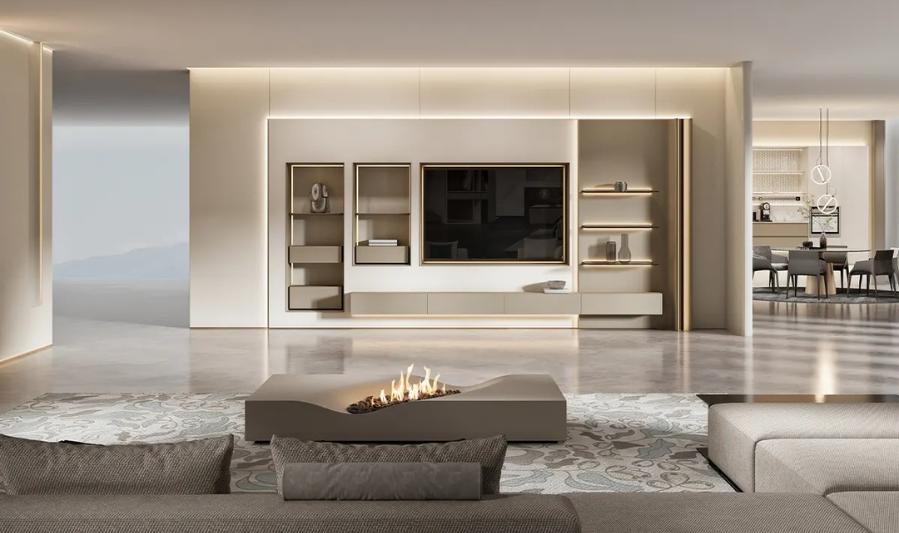
Modern living design is built on the principle that spaces should be simple, purposeful, and easy to use. Instead of excessive decoration, the focus is on clean forms, clear layouts, and practical elements. Every feature in the home is intended to serve a function, helping reduce visual clutter and create a more organized environment.
Focus on Comfort and Usability
Comfort is a central priority in modern design, but it is always paired with usability. Furniture is chosen not only for appearance but also for how well it supports daily activities such as resting, working, or socializing. Ergonomic seating, accessible storage, and intuitive layouts ensure that spaces feel natural and easy to live in.
Balance Between Aesthetics and Practicality
Modern living design seeks a careful balance between visual appeal and everyday functionality. Interiors are designed to look stylish without becoming impractical. Materials, colors, and furniture are selected to ensure durability and ease of maintenance while still contributing to an attractive overall look. This balance ensures homes are both beautiful and livable.
Shift from Traditional to Modern Lifestyles
The concept of modern living also reflects a major shift away from traditional home structures. Earlier homes often had formal, separated rooms with fixed purposes. In contrast, modern lifestyles favor open, flexible spaces that adapt to different needs throughout the day. This shift has been driven by urban living, smaller housing, and changes in how people work and interact at home.
Core Principles of Modern Living Homes
Open Spaces and Natural Flow
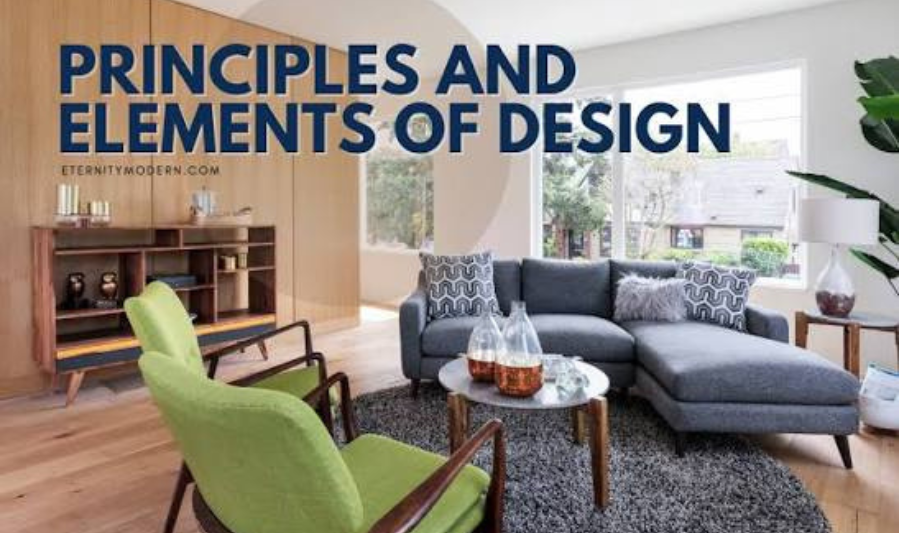
Modern living homes are designed to feel connected and fluid rather than divided into rigid rooms. Open-plan layouts combine living, dining, and kitchen areas to create a seamless flow of movement and interaction. This openness improves communication, enhances social living, and makes homes feel larger and more breathable.
Minimalism and Clutter-Free Design
Minimalism is a guiding principle in modern homes, focusing on simplicity and intentional living. Unnecessary items are reduced, and only essential or meaningful objects are kept in view. Built-in storage, clean surfaces, and simple furniture help maintain a clutter-free environment that feels calm and organized.
Neutral Color Foundation
A neutral color palette forms the base of modern interiors. Shades like white, beige, grey, and soft earth tones create a balanced and timeless backdrop. These colors help enhance natural light, support visual harmony, and allow furniture or accent pieces to stand out without overwhelming the space.
Natural Light Importance
Natural light is a key element in modern home design. Large windows, open layouts, and light-reflecting surfaces are used to maximize brightness. Sunlight not only improves the visual appeal of a space but also enhances mood, energy levels, and overall well-being. It reduces the need for artificial lighting during the day, making homes more efficient and comfortable.
Smart Use of Space
Efficient space utilization is essential in modern living homes, especially in urban environments. Multi-functional furniture, vertical storage, and flexible layouts help maximize every square foot. Spaces are designed to adapt to different needs
Best Modern Living Ideas for Home (Expanded Sections)
4.1 Open-Concept Living Spaces
Open-concept design combines the living, dining, and kitchen areas into one continuous space, removing unnecessary walls to create flow and openness. This layout improves interaction between family members and makes homes feel larger and more connected.
The main benefit is better space optimization, especially in smaller homes where every square foot matters. Techniques like zoning with rugs, furniture placement, and lighting help define areas without physical barriers, keeping the space open yet organized.
4.2 Minimalist Home Design
Minimalist design follows the “less is more” philosophy, focusing only on essential and meaningful elements. The goal is to reduce visual clutter and create a calm, structured environment.
Homes are furnished with only necessary pieces that serve a clear purpose. Clean lines, simple shapes, and neutral tones dominate the space. Clutter reduction methods such as hidden storage, regular decluttering, and mindful purchasing help maintain long-term simplicity and order.
4.3 Smart Storage Solutions
Smart storage is essential for maintaining a clean and functional modern home. Built-in storage, such as wall units and under-stair cabinets, helps utilize unused areas efficiently.
Hidden storage furniture like beds with drawers, ottomans, and modular sofas keeps belongings out of sight while maintaining style. Space-saving hacks—such as vertical shelving and multi-use compartments—help maximize small homes. Organized living habits, including categorizing items and routine decluttering, support long-term efficiency.
4.4 Natural Light Optimization
Natural light is a key design element that enhances both aesthetics and well-being. Sunlight makes spaces feel larger, fresher, and more welcoming while reducing the need for artificial lighting during the day.
Large windows, skylights, and open layouts help maximize daylight entry. Mirrors are strategically used to reflect light and brighten darker areas. Light-colored curtains and soft wall tones such as white, beige, and pale grey further enhance brightness and create an airy atmosphere.
4.5 Modern Furniture Selection
Modern furniture focuses on functionality, simplicity, and comfort. Multi-purpose pieces—such as sofa beds, extendable tables, and modular seating—help adapt spaces to different needs.
Designs typically feature clean lines and simple geometric shapes that blend easily into various interiors. Space-saving furniture is especially important in compact homes, while comfort remains a priority. The best modern pieces balance practicality with a sleek, stylish appearance.
4.6 Indoor Plants & Green Living
Biophilic design brings nature into the home environment to improve well-being and create a calming atmosphere. Indoor plants are a key element of this approach.
Popular home plants like snake plants, pothos, and peace lilies are commonly used for their low maintenance and air-purifying qualities. Greenery can be placed in corners, hanging planters, or as focal points in living areas. Beyond aesthetics, plants improve air quality, reduce stress, and enhance mood.
4.7 Smart Home Technology
Smart home technology is transforming modern living by increasing convenience, safety, and efficiency. Home automation systems allow users to control lighting, temperature, and appliances through mobile devices or voice commands.
Smart lighting adjusts brightness based on time or activity, while intelligent appliances improve energy efficiency. Security features such as smart locks, cameras, and motion sensors enhance safety. Overall, smart technology represents the future of modern living, making homes more responsive and personalized to user needs.
Room-by-Room Modern Living Ideas
Living Room
The living room is the central social space of a modern home, so its design focuses on comfort, flow, and functionality.
Layout ideas: Open layouts work best, often connected to dining or kitchen areas. Furniture is arranged to encourage conversation while maintaining clear walking space.
Furniture arrangement: Sofas are usually placed against walls or floating in the center to define zones. Coffee tables and side tables are kept minimal to avoid clutter.
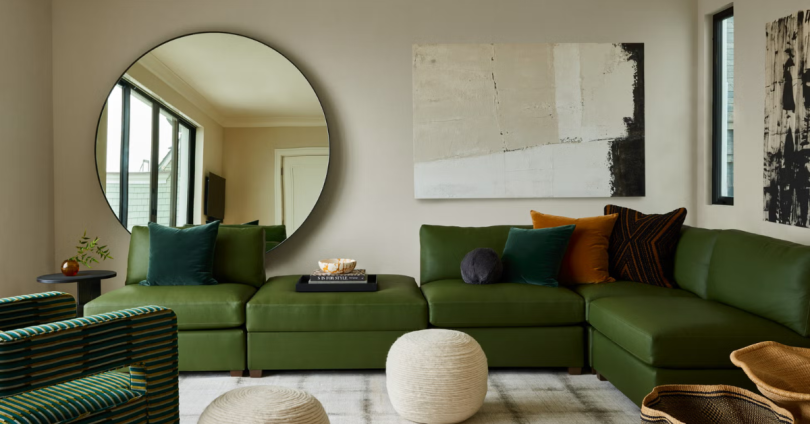
Décor tips: Neutral tones with a few accent pieces (cushions, rugs, artwork) create balance. Statement lighting, simple wall art, and textured fabrics add depth without overwhelming the space.
Bedroom
A modern bedroom is designed as a calm, restful retreat focused on relaxation and simplicity.
Relaxing environment setup: The layout prioritizes comfort and minimal distractions. The bed is typically the focal point, placed for easy movement and visual balance.
Color and lighting ideas: Soft, muted tones like beige, grey, and pastels help create a peaceful mood. Warm, layered lighting (bedside lamps, ambient lighting) supports relaxation.
Storage solutions: Built-in wardrobes, under-bed storage, and floating shelves help maintain a clutter-free environment while maximizing space.
Kitchen
Modern kitchens combine efficiency, clean design, and smart functionality to support daily use.
Modern cabinet designs: Sleek, handleless cabinets with flat surfaces create a streamlined look. Glossy or matte finishes in neutral tones are commonly used for a contemporary feel.
Smart appliances: Energy-efficient and connected appliances—such as smart ovens, refrigerators, and induction cooktops—improve convenience and reduce effort.
Functional layouts: Common layouts include L-shaped, U-shaped, and island kitchens, all designed to optimize workflow between cooking, cleaning, and storage zones.
Bathroom
Modern bathrooms focus on simplicity, cleanliness, and efficient use of space.
Minimal and clean design: The design emphasizes open surfaces, light colors, and uncluttered layouts. Walk-in showers and frameless glass partitions enhance openness.
Storage optimization: Wall-mounted cabinets, recessed shelves, and vanity storage help keep essentials organized while maintaining a clean look.
Modern fixtures: Sleek faucets, rainfall showers, and floating sinks add a contemporary touch while improving usability and water efficiency.
You may also like to read these posts:
Home Inspiration Ideas for Beginners: Simple Ways to Transform Your Space
Simple and Creative Home Inspiration Tips for Modern Living
Top Modern Interior Inspiration for Elegant Living Spaces
Modern Color Schemes for Home
Neutral Base Colors (White, Grey, Beige)
Neutral tones form the foundation of modern interior color schemes because they create a calm, flexible backdrop that works with almost any style. White makes spaces feel brighter and more open, grey adds a refined and balanced look, and beige introduces warmth without overwhelming the room.
These shades are often used for walls, large furniture pieces, and flooring because they allow textures, lighting, and décor elements to stand out naturally. A neutral base also makes it easier to update the home later by simply changing accent colors.
Accent Colors (Green, Navy, Mustard)
Accent colors are used sparingly to add personality and visual interest to a modern home. Green is often associated with freshness and nature, making it ideal for creating a calming atmosphere. Navy adds depth, elegance, and a more structured feel to interiors. Mustard introduces warmth and energy, often used to create a bold yet stylish contrast.
These colors are typically applied through cushions, rugs, artwork, feature walls, or décor accessories rather than dominating the entire space.
Monochrome vs Contrast Styles
Monochrome color schemes use variations of a single color, such as different shades of grey or beige, to create a smooth, unified look. This approach feels calm, elegant, and visually consistent, making it popular in minimalist and modern interiors.
Contrast styles combine opposing tones, such as black and white or dark navy with light neutrals. This creates a stronger visual impact and helps define different areas or features within a room. While monochrome focuses on harmony, contrast emphasizes drama and structure.
Psychological Effects of Colors
Color psychology plays an important role in modern home design because it influences mood and behavior. Cool colors like blue and green promote relaxation, focus, and calmness, making them ideal for bedrooms and workspaces. Warm colors like yellow, orange, and mustard encourage energy, creativity, and social interaction, which suits living and dining areas.
Faqs:
What are modern living ideas for home?
Modern living ideas focus on creating a stylish, functional, and comfortable home using simple designs, open spaces, neutral colors, and smart storage solutions to improve everyday living.
How can I make my home look modern?
You can make your home look modern by decluttering, using neutral color tones, choosing simple furniture, improving lighting, and adding functional décor like plants and mirrors.
What colors are best for modern living homes?
Modern homes usually use neutral colors such as white, grey, beige, and black. You can also add accent colors like green, navy blue, or mustard for a fresh and stylish look.
Can I create a modern home on a low budget?
Yes, you can achieve a modern look on a budget by repainting walls, using DIY décor, buying second-hand furniture, and focusing on minimal, functional design choices.
What makes a home feel modern and comfortable?
A modern and comfortable home has clean layouts, good lighting, organized spaces, functional furniture, and a balanced design that combines style with everyday practicality.
Conclusion
Modern living ideas for home are all about creating a space that is simple, functional, and comfortable while still looking stylish and up-to-date. By focusing on clean layouts, neutral colors, smart storage, and natural light, you can easily transform any home into a modern living space.
The key is to keep things balanced—avoid clutter, choose practical furniture, and add personal touches that reflect your lifestyle. Whether you prefer a minimalist look or a cozy modern vibe, small changes can make a big difference.
Start step by step, and gradually build a home that feels fresh, organized, and perfectly suited to modern living.