
Introduction
Meaning of modern interior inspiration
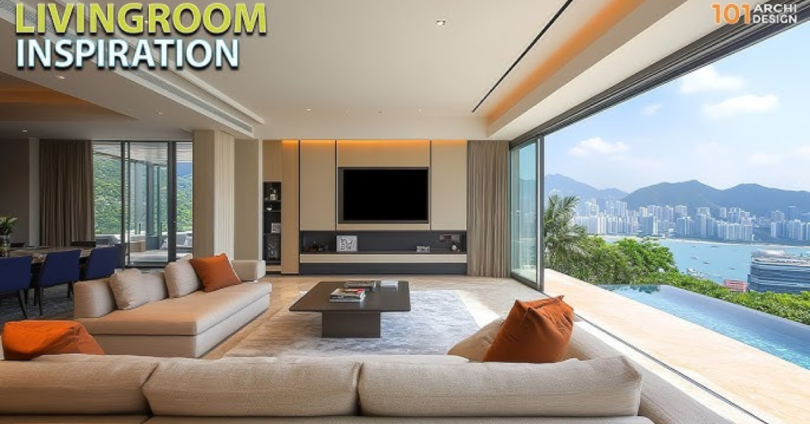
Modern interior inspiration refers to ideas, concepts, and design approaches that help shape contemporary living spaces. It draws from modern design principles such as simplicity, functionality, clean aesthetics, and balanced layouts to create homes that feel both stylish and practical. This inspiration often comes from architecture, interior trends, lifestyle needs, and creative design movements.
Why people love modern home design today
Modern home design is widely appreciated because it combines comfort with elegance in a simple and practical way. People prefer it for its clutter-free look, easy maintenance, and ability to adapt to different spaces and budgets. Its focus on open layouts, natural light, and neutral tones makes homes feel more spacious, calm, and welcoming.
How inspiration helps transform ordinary spaces
Interior inspiration plays an important role in turning basic or unused spaces into well-designed, functional environments. It helps homeowners visualize possibilities, choose better layouts, and select suitable colors, furniture, and décor. Even small changes guided by modern design ideas can significantly improve the look, feel, and usability of a space.
Overview of what the blog will cover
This blog will explore key aspects of modern interior inspiration, including design principles, popular styles, color palettes, furniture choices, and space-saving ideas. It will also highlight how modern design can be applied to different areas of the home, helping readers create interiors that are both beautiful and practical.
Evolution of Modern Interior Design
Early Modern Design Movement Origins
The roots of modern interior design emerged in the late 19th and early 20th centuries as a response to industrialization and overly ornate traditional styles. With mass production becoming common, designers began questioning heavily decorative Victorian interiors and moved toward simpler, more functional approaches. Early modernist thinking emphasized practicality, honesty in materials, and designs that suited modern industrial life rather than historical imitation.
Influence of Minimalism and Bauhaus
A major influence on modern interiors came from the Bauhaus, which promoted the unity of art, craft, and technology. Bauhaus design focused on geometric forms, functional furniture, and minimal ornamentation, laying the foundation for modernist interiors.
Minimalism later reinforced these ideas with the philosophy of “less is more.” It encouraged clean lines, neutral color palettes, and clutter-free spaces. Together, Bauhaus and minimalism shaped the core visual language of modern interiors: simple, functional, and highly intentional.
Shift from Traditional to Modern Living Spaces
Traditional interiors were typically divided into formal, purpose-specific rooms such as dining rooms, drawing rooms, and sitting areas. Modern design shifted this structure toward open-plan layouts, where spaces flow into one another for more flexible living.
This shift was supported by advances in architecture and materials like steel, glass, and reinforced concrete. Furniture also evolved—becoming lighter, modular, and easier to adapt to changing needs. The result was a more informal, functional, and adaptable way of living.
Rise of Lifestyle-Based Interior Design
In contemporary design, the focus has moved beyond fixed styles to lifestyle-centered interiors. Instead of strictly following one aesthetic, designers now prioritize how people live and interact with their environments.
This includes home offices for remote work, wellness-oriented spaces with natural light and biophilic elements, and personalized interiors that blend multiple styles. Smart home technology has also become part of modern design, making interiors more responsive and adaptive.
Today’s modern interior design is less about strict rules and more about flexibility, comfort, and personal expression.
Core Ideas Behind Modern Interior Inspiration
Simplicity and Clean Design
Modern interior design is grounded in simplicity. Spaces are intentionally stripped of unnecessary decoration so that form, material, and structure can stand out. Clean lines, uncluttered surfaces, and minimal ornamentation help create a calm and visually balanced environment. The goal is not emptiness, but clarity—every element in the space has a purpose or aesthetic value.
Functionality as a Priority
Function lies at the center of modern interior thinking. Furniture and layouts are designed to serve real everyday needs rather than just decorative purposes. This approach ensures that each item contributes to usability, comfort, or efficiency. Storage solutions are often integrated into walls or furniture to maintain order while supporting practical living.
Open and Flexible Layouts
Modern interiors often move away from rigid room divisions in favor of open-plan layouts. Spaces such as kitchens, dining areas, and living rooms are combined to create a more fluid living experience. This flexibility allows rooms to adapt to different activities, making homes feel larger, more social, and more connected.
Use of Light and Space
Natural light plays a key role in modern design. Large windows, open layouts, and reflective surfaces are used to maximize brightness and create a sense of openness. Space itself is treated as a design element—empty areas are just as important as furnished ones. This emphasis on light and spatial flow enhances comfort and visual harmony.
Balance Between Beauty and Practicality
Modern interior inspiration seeks a balance between aesthetics and usability. While the design is visually appealing, it never compromises comfort or function. Materials, colors, and furniture choices are selected to be both attractive and durable. This balance ensures that spaces are not only beautiful to look at but also practical for everyday life.
Top Modern Interior Inspiration Styles (Expanded Sections)
4.1 Minimalist Inspiration
Minimalist interior design is based on the principle of “less is more,” focusing on simplicity, clarity, and intentional living. Every element in the space serves a purpose, and unnecessary objects are avoided to maintain visual calm.
A key feature is hidden storage, which helps keep surfaces clean and clutter-free. Furniture is carefully selected for function and simplicity, often featuring straight lines and subtle forms. Color palettes are usually neutral—whites, greys, and soft earthy tones dominate—to create a peaceful and distraction-free environment.
4.2 Scandinavian Inspiration
Scandinavian design is known for its warmth, simplicity, and connection to comfort, often inspired by the concept of hygge. It blends functionality with a cozy atmosphere, making spaces feel both practical and inviting.
Light wood finishes, white walls, and soft natural fabrics are commonly used to reflect the region’s limited daylight. Interiors are bright, airy, and uncluttered, with an emphasis on natural textures like wool, linen, and cotton. The result is a calm and welcoming home environment that feels lived-in but not crowded.
4.3 Industrial Inspiration
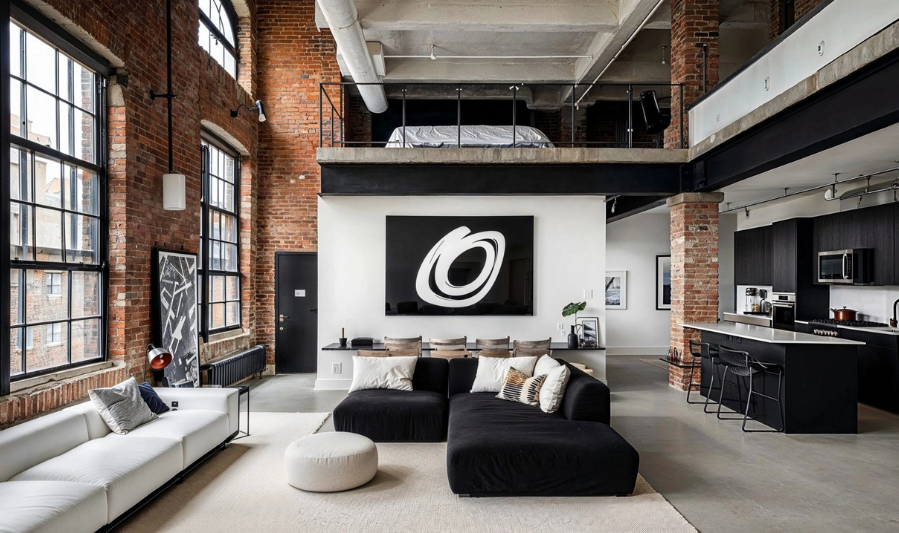
Industrial interior design draws inspiration from old factories and urban lofts, emphasizing raw, unfinished aesthetics. It celebrates structural elements instead of hiding them, such as exposed brick walls, visible pipes, and concrete surfaces.
Materials like metal, steel, and reclaimed wood are commonly used to create a rugged, urban feel. The color palette often includes darker tones such as charcoal, black, and deep brown. Large open spaces, high ceilings, and minimal decorative elements contribute to a bold and functional design style.
4.4 Contemporary Inspiration
Contemporary interior design reflects current trends and is constantly evolving rather than tied to one fixed style. It blends simplicity with artistic expression, creating balanced yet visually engaging spaces.
This style often features curved furniture, soft edges, and a mix of materials like glass, wood, and metal. Statement pieces—such as bold lighting fixtures or abstract artwork—are commonly used to add personality. Contemporary interiors are flexible, adapting easily to changing design trends and personal preferences.
4.5 Biophilic (Nature-Inspired) Design
Biophilic design focuses on connecting interior spaces with nature to improve well-being and comfort. It integrates natural elements such as plants, natural materials, and organic textures into the living environment.
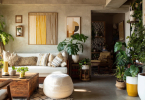
Indoor greenery, living plant walls, and large windows that maximize natural light are key features. Earthy tones like greens, browns, and warm neutrals dominate the palette. Materials such as wood, stone, and bamboo are commonly used to reinforce a natural, calming atmosphere that promotes relaxation and mental clarity.
Modern Color Inspiration Guide
Neutral Base Colors (White, Beige, Grey)
Neutral tones form the foundation of most modern interiors because they create a clean, versatile backdrop. Shades like white, beige, and grey help spaces feel open, balanced, and timeless.
White enhances brightness and makes rooms feel larger, while beige adds warmth without overpowering the space. Grey provides a sophisticated, balanced tone that works well in both minimal and contemporary interiors. These base colors allow furniture, textures, and accent pieces to stand out without visual clutter.
Accent Colors (Green, Navy, Mustard)
Accent colors are used to add personality and depth to neutral interiors. Green is often associated with nature and calmness, making it ideal for creating a refreshing atmosphere. Navy introduces depth and elegance, often used in modern and contemporary designs for a refined look. Mustard adds warmth and vibrancy, offering a retro yet modern contrast when used in moderation.
These colors are typically introduced through décor elements like cushions, rugs, artwork, or feature walls, rather than dominating the entire space.
Monochrome vs Contrast Palettes
Monochrome palettes use variations of a single color to create a cohesive and harmonious look. For example, different shades of grey or beige can produce a subtle, layered effect that feels calm and unified.
In contrast, high-contrast palettes combine opposing tones—such as black and white or dark navy with light neutrals—to create visual drama and definition. While monochrome focuses on softness and continuity, contrast adds energy and structure to a space. Both approaches are widely used in modern interior design depending on the desired mood.
Psychological Effects of Colors
Color plays a powerful role in shaping how a space feels. Cool tones like blue and green are known to promote relaxation, focus, and calmness, making them suitable for bedrooms and workspaces. Warm tones like yellow, orange, and mustard can stimulate energy, creativity, and social interaction, making them ideal for living or dining areas.
Neutral colors tend to create balance and stability, reducing visual stress and allowing the mind to relax. Designers often combine these psychological effects to create interiors that not only look appealing but also support emotional well-being and daily functionality.
Furniture Inspiration Ideas
Multi-Purpose Furniture Trends
Modern interiors increasingly rely on furniture that serves more than one function. This approach is especially useful in urban homes where space is limited and flexibility is essential. Items like sofa beds, extendable dining tables, and storage ottomans allow a single piece to adapt to different needs throughout the day.
The focus is on versatility without sacrificing design. Many modern multi-purpose pieces are designed to look minimal and seamless, so they blend naturally into the space while offering hidden functionality.
Space-Saving Solutions for Small Homes
In smaller homes, efficient use of space is a core design priority. Wall-mounted shelves, foldable desks, and built-in cabinetry help maximize floor area while keeping rooms organized. Vertical storage is also widely used to take advantage of wall height rather than floor space.
Sliding doors instead of traditional swing doors, under-bed storage, and modular furniture systems further help maintain openness. The goal is to make compact spaces feel larger, more functional, and less cluttered.
Modern Sofa, Table, and Storage Designs
Modern sofas are typically designed with low profiles, clean lines, and neutral upholstery. They prioritize comfort while maintaining a structured, minimalist appearance. Modular sofas are especially popular, as they can be rearranged to fit different room layouts.
Tables in modern interiors often feature simple geometric shapes—rectangular, round, or oval—with materials like wood, glass, or metal. Storage units are designed to be sleek and integrated into the room, often hidden behind flat panels or built into walls to maintain a clean visual flow.
You may also like to read these posts:
Home Inspiration Ideas for Beginners: Simple Ways to Transform Your Space
Simple and Creative Home Inspiration Tips for Modern Living
Top Modern Interior Inspiration for Elegant Living Spaces
Importance of Clean Lines and Shapes
Clean lines are a defining feature of modern furniture design. Straight edges, smooth curves, and simple geometric forms create a sense of order and visual calm. This design approach avoids unnecessary detailing, focusing instead on proportion and balance.
Well-defined shapes help furniture feel timeless and adaptable, ensuring it fits into a variety of interior styles. By reducing visual noise, clean-lined furniture allows space, light, and architecture to become more prominent elements of the overall design.
Faqs:
What is modern interior inspiration?
Modern interior inspiration refers to ideas and styles that focus on simple, functional, and stylish home designs. It includes clean layouts, neutral colors, and minimal décor to create a fresh and balanced living space.
How can I get inspiration for modern interior design?
You can get inspiration from interior design blogs, Pinterest, Instagram, home décor magazines, and real-life model homes. Observing minimalist, Scandinavian, and contemporary styles can also help you build your own ideas.
Which colors are best for modern interior inspiration?
Modern interiors usually use neutral colors like white, beige, grey, and black. You can also add accent colors like green, navy, or mustard to make the space more stylish and lively.
Can I create a modern interior look on a low budget?
Yes, you can achieve a modern look on a budget by decluttering your space, repainting walls in neutral shades, using simple furniture, and adding affordable décor items like plants and DIY pieces.
What makes a home look modern?
A modern home looks clean, organized, and uncluttered. It uses simple furniture, good lighting, open spaces, and a balanced color palette to create a stylish and functional environment.
Conclusion
Modern interior inspiration is all about creating spaces that feel simple, functional, and beautifully balanced. By exploring different styles like minimalist, Scandinavian, industrial, and contemporary, you can find ideas that match your personality and lifestyle.
The key to a modern home is not just following trends, but using inspiration to design a space that feels comfortable, organized, and truly yours. With the right combination of colors, lighting, furniture, and décor, even a basic space can be transformed into a stylish modern home.
Start with small changes, stay consistent with your design choices, and let your creativity shape a home that feels fresh, practical, and timeless.