
Introduction
Living in a small home does not mean sacrificing comfort, style, or functionality. In fact, smaller spaces often inspire more creative and efficient design solutions. With thoughtful planning and smart decorating choices, even the smallest home can feel spacious, organized, and inviting.
What Are Small Home Inspiration Ideas?
Small home inspiration ideas are creative design strategies, space-saving solutions, and decorating techniques that help maximize limited square footage. These ideas focus on making small spaces more functional, comfortable, and visually appealing without creating clutter.
Common Small Home Design Approaches
- Multi-functional furniture
- Smart storage solutions
- Space-saving layouts
- Minimalist decorating
- Light and bright color schemes
- Vertical storage options
Benefits of Living in a Small Home
Small homes offer several advantages that go beyond simply requiring less space.
Lower Maintenance
Smaller homes typically require less cleaning, organizing, and upkeep, making daily maintenance easier and more manageable.
Cost Savings
A smaller living space often means lower expenses for:
- Rent or mortgage payments
- Utility bills
- Furniture purchases
- Home maintenance costs
Increased Efficiency
Small homes encourage homeowners to use space more intentionally and eliminate unnecessary clutter.
Cozy and Comfortable Atmosphere
A well-designed small home can feel warm, inviting, and highly personalized.
Why Smart Design Matters
Smart design is essential in a small home because every square foot counts. Thoughtful planning helps maximize functionality while maintaining comfort and style.
Benefits of Smart Design
- Improves space utilization
- Reduces clutter
- Enhances organization
- Creates the illusion of a larger space
- Increases comfort and functionality
Key Principles of Small-Space Design
- Prioritize essential furniture
- Use vertical space effectively
- Incorporate hidden storage
- Choose light and neutral colors
- Keep layouts open and uncluttered
What Readers Will Learn
This guide will provide practical inspiration and actionable tips for making the most of a small home.
Topics Covered in This Guide
- Small living room design ideas
- Bedroom space-saving solutions
- Creative kitchen organization tips
- Storage and decluttering strategies
- Furniture selection for compact spaces
- Color schemes that make rooms feel larger
- Budget-friendly decorating ideas
- Multi-functional furniture recommendations
Final Thoughts
A small home can be just as stylish, comfortable, and functional as a larger one when designed thoughtfully. By using smart design techniques and creative decorating ideas, you can maximize every inch of space while creating a home that reflects your personality and lifestyle.
Understanding Small Space Design
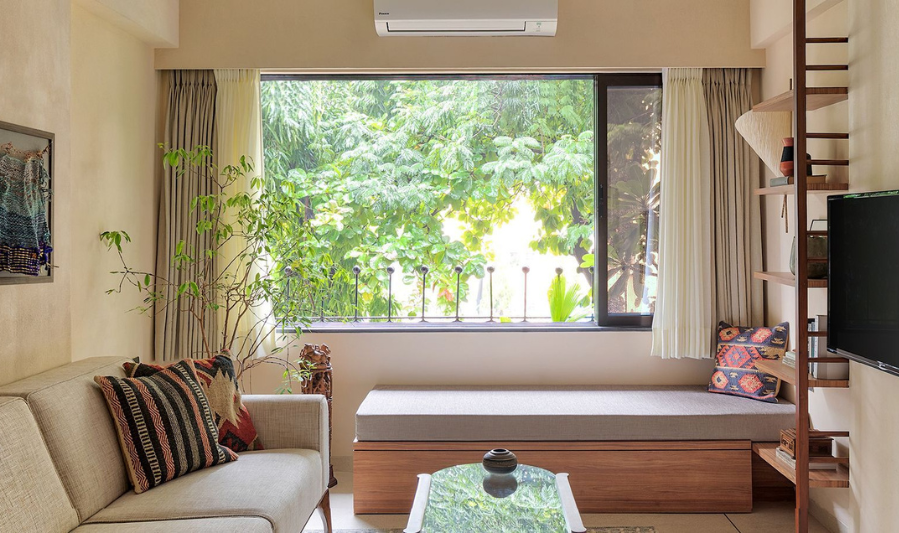
Designing a small home requires a different approach than decorating a larger space. Every piece of furniture, storage solution, and decorative element must serve a purpose while contributing to the overall comfort and appearance of the home. Small space design focuses on maximizing functionality, maintaining organization, and creating an environment that feels open and inviting.
Challenges of Small Homes
While small homes offer many benefits, they also present unique design challenges that require thoughtful planning.
Limited Storage Space
One of the most common challenges is finding enough storage for everyday items without creating clutter.
Restricted Floor Area
Small rooms can quickly feel crowded if furniture is oversized or poorly arranged.
Multi-Purpose Rooms
Many small homes require a single room to serve multiple functions, such as combining a living room, workspace, and dining area.
Visual Clutter
Too many decorative items, furniture pieces, or color variations can make a small space feel even smaller.
Advantages of Compact Living
Despite their challenges, small homes offer several practical and lifestyle benefits.
Easier Maintenance
Smaller spaces generally require less cleaning, organizing, and upkeep.
Lower Costs
Compact homes often reduce expenses related to housing, utilities, furnishings, and maintenance.
Greater Efficiency
Living in a smaller space encourages intentional purchasing and more effective use of available resources.
Cozy Atmosphere
A well-designed small home can feel warm, comfortable, and welcoming.
Encourages Simplicity
Small-space living often promotes a more organized and clutter-free lifestyle.
Key Principles of Small Home Design
Successful small-space design is built around a few essential principles that help maximize both functionality and comfort.
Functionality
Every item in a small home should serve a practical purpose. Functional design helps ensure that limited space is used effectively.
Ways to Improve Functionality
- Choose multi-purpose furniture
- Create flexible room layouts
- Use furniture with built-in storage
- Prioritize everyday needs
Organization
Organization is critical in maintaining a clean and efficient small home.
Effective Organization Strategies
- Use storage containers and baskets
- Organize by category
- Utilize vertical storage solutions
- Keep frequently used items accessible
- Regularly declutter unnecessary belongings
Simplicity
Simple design choices can make a small space feel larger and more relaxing.
Benefits of Simplicity
- Reduces visual clutter
- Creates a cleaner appearance
- Improves focus and relaxation
- Makes decorating easier
Simple Design Tips
- Limit decorative accessories
- Use a consistent color palette
- Choose streamlined furniture
- Avoid overcrowding rooms
Comfort
A small home should still feel comfortable and inviting despite its size.
Creating Comfort in Small Spaces
- Use soft textiles and fabrics
- Incorporate warm lighting
- Add personal decorative touches
- Select comfortable furniture
- Maintain a balanced room layout
Balancing All Four Principles
The most successful small homes combine functionality, organization, simplicity, and comfort. When these principles work together, even the smallest space can feel spacious, efficient, and enjoyable to live in.
Final Thoughts
Understanding the fundamentals of small space design is the first step toward creating a home that feels larger, more organized, and more comfortable. By addressing common challenges and applying key design principles, you can transform a compact living space into a functional and stylish home that meets your everyday needs.
Planning Your Small Home Makeover
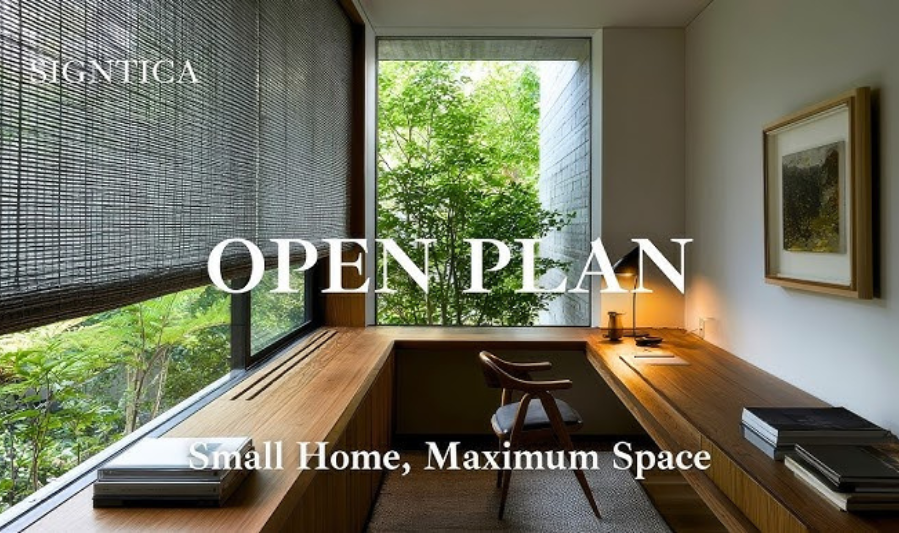
A successful small home makeover begins with careful planning. Since space is limited, every design decision should be intentional and focused on maximizing functionality, comfort, and style. By assessing your space, setting clear goals, establishing a budget, and creating a room-by-room plan, you can transform your home efficiently and avoid costly mistakes.
Assessing Available Space
Before purchasing furniture or choosing décor, take time to evaluate your home’s current layout and available space.
Measure Every Room
Accurate measurements help ensure that furniture and storage solutions fit properly.
Important Measurements Include:
- Room dimensions
- Doorway widths
- Window sizes
- Ceiling heights
- Existing furniture dimensions
Identify Problem Areas
Look for spaces that feel crowded, underutilized, or disorganized.
Common Issues:
- Lack of storage
- Poor furniture placement
- Unused corners
- Limited natural light
- Restricted movement pathways
Evaluate Daily Needs
Consider how each room is used and whether the current layout supports your lifestyle.
Setting Design Goals
Clear goals provide direction for your makeover and help prioritize improvements.
Questions to Ask Yourself
- What problems need to be solved?
- Which rooms require the most attention?
- Do you need more storage, seating, or workspace?
- How do you want your home to feel?
- What style best reflects your personality?
Examples of Small Home Goals
- Create a more organized living area
- Maximize storage capacity
- Make rooms appear larger
- Improve comfort and functionality
- Reduce clutter and simplify décor
Benefits of Goal Setting
- Keeps the project focused
- Prevents unnecessary purchases
- Improves decision-making
- Creates a more cohesive design
Creating a Budget
A realistic budget helps manage expenses and ensures that resources are allocated effectively.
Determine Your Total Budget
Start by deciding how much you are comfortable spending on the makeover.
Prioritize Essential Purchases
Focus first on items that improve functionality and solve space-related challenges.
Examples:
- Storage furniture
- Shelving systems
- Lighting upgrades
- Multi-functional furnishings
Include Unexpected Costs
Reserve a portion of your budget for unforeseen expenses that may arise during the project.
Budget-Friendly Strategies
- Repurpose existing furniture
- Shop second-hand
- Take advantage of seasonal sales
- Complete projects in phases
- Use DIY solutions when possible
Developing a Room-by-Room Plan
Breaking the makeover into individual rooms makes the project more manageable and organized.
Living Room Planning
Focus on:
- Furniture arrangement
- Storage solutions
- Traffic flow
- Decorative updates
Bedroom Planning
Consider:
- Bed placement
- Closet organization
- Under-bed storage
- Space-saving furniture
Kitchen Planning
Prioritize:
- Cabinet organization
- Countertop efficiency
- Storage improvements
- Functional layouts
Bathroom Planning
Look for opportunities to:
- Add vertical storage
- Improve organization
- Maximize limited space
- Reduce countertop clutter
Entryway and Hallway Planning
Enhance functionality through:
- Wall hooks
- Shoe storage
- Slim furniture
- Decorative organization systems
Tracking Your Progress
A written plan can help keep the makeover on schedule.
Create a Checklist
Include:
- Tasks to complete
- Items to purchase
- Budget estimates
- Project deadlines
Review Regularly
Evaluate your progress as each room is completed and adjust plans if necessary.
Final Thoughts
Planning is the foundation of a successful small home makeover. By carefully assessing your available space, establishing clear design goals, creating a realistic budget, and developing a room-by-room strategy, you can make the most of every square foot while creating a stylish, organized, and comfortable home.
Choosing the Right Color Palette
Color is one of the most powerful tools in small home design. The right color palette can make a room feel brighter, larger, and more inviting, while poor color choices can make a space feel cramped and cluttered. Understanding how colors affect perception can help you maximize the visual space in your home and create a balanced, comfortable environment.
Why Colors Matter in Small Spaces
Colors influence how we perceive the size, mood, and atmosphere of a room. In small homes, strategic color choices can create the illusion of openness and improve the overall flow of the space.
Benefits of the Right Color Palette
- Makes rooms appear larger
- Enhances natural light
- Creates visual continuity
- Improves overall comfort
- Supports a clean and organized appearance
How Color Affects Perception
- Light colors reflect more light and make spaces feel open.
- Dark colors absorb light and can make rooms feel smaller.
- Consistent color schemes create a seamless visual flow.
- Contrasting colors can highlight architectural features when used carefully.
Best Light Colors for Small Homes
Light colors are often the best choice for compact spaces because they help maximize brightness and openness.
White
White is a classic option that creates a clean, airy, and spacious feel.
Benefits:
- Reflects maximum light
- Makes rooms feel larger
- Complements any decorating style
- Provides a neutral backdrop for décor
Beige and Cream
These warm neutrals add comfort and softness while maintaining an open appearance.
Benefits:
- Creates a cozy atmosphere
- Works well with natural materials
- Adds warmth without overwhelming the space
Light Gray
Light gray offers a modern and sophisticated look while remaining neutral and versatile.
Benefits:
- Pairs easily with accent colors
- Creates a contemporary feel
- Maintains brightness and openness
Soft Pastels
Subtle pastel shades can add personality while keeping the room visually light.
Popular Choices:
- Pale blue
- Soft green
- Light lavender
- Blush pink
Using Accent Colors Effectively
Accent colors add character and visual interest without overpowering a small room.
Where to Use Accent Colors
- Throw pillows
- Artwork
- Rugs
- Curtains
- Decorative accessories
- Accent furniture
Tips for Using Accent Colors
- Limit accent colors to a few carefully chosen shades.
- Use accents sparingly to avoid visual clutter.
- Repeat accent colors throughout the room for balance.
- Pair bold accents with neutral backgrounds.
Popular Accent Colors
- Navy blue
- Emerald green
- Mustard yellow
- Terracotta
- Charcoal gray
Color Combinations That Create Space
Certain color combinations help enhance the feeling of openness and continuity.
White and Beige
This timeless combination creates a bright and welcoming environment.
Best For:
- Living rooms
- Bedrooms
- Open-concept spaces
Light Gray and White
A modern combination that feels fresh, clean, and spacious.
Best For:
- Contemporary homes
- Small apartments
- Minimalist interiors
Soft Blue and White
This pairing creates a calm and airy atmosphere.
Best For:
- Bedrooms
- Bathrooms
- Reading areas
Beige and Sage Green
Natural tones create warmth while maintaining a spacious feel.
Best For:
- Living rooms
- Kitchens
- Multi-purpose spaces
Common Color Mistakes to Avoid
Even well-intentioned color choices can make a small space feel crowded if not used properly.
Using Too Many Colors
Introducing too many colors can create visual chaos and make rooms appear smaller.
Solution:
- Stick to a consistent palette of two to four main colors.
Overusing Dark Colors
Dark shades can make a room feel enclosed when used excessively.
Solution:
- Use dark colors as accents rather than dominant wall colors.
Ignoring Natural Light
Colors may appear different depending on lighting conditions.
Solution:
- Test paint samples at different times of day before making a final decision.
Creating Harsh Contrasts
Strong color contrasts can visually break up a room and reduce the sense of openness.
Solution:
- Use gradual color transitions and complementary shades.
Neglecting Ceiling Colors
Dark ceilings can make a room feel lower and more confined.
Solution:
- Choose lighter ceiling colors to create the illusion of height.
Final Thoughts
The right color palette can dramatically improve the appearance and functionality of a small home. By choosing light, reflective colors, incorporating accents thoughtfully, and avoiding common color mistakes, you can create spaces that feel larger, brighter, and more inviting while maintaining your personal style.
Small Living Room Inspiration Ideas
A small living room can be just as stylish, comfortable, and functional as a larger space when designed thoughtfully. The key is to maximize every square foot while maintaining a clean, open, and inviting atmosphere. By choosing the right furniture, arranging it strategically, and decorating with intention, you can create a living room that feels spacious and welcoming.
Selecting Space-Saving Furniture
Furniture selection plays a major role in the success of a small living room design. Choosing pieces that fit the scale of the room helps prevent overcrowding.
Choose Multi-Functional Furniture
Furniture that serves more than one purpose helps maximize limited space.
Examples Include:
- Storage ottomans
- Sofa beds
- Nesting tables
- Lift-top coffee tables
- Benches with hidden storage
Select Appropriately Sized Furniture
Oversized furniture can make a small room feel cramped.
Tips:
- Choose slim-profile sofas
- Use compact armchairs
- Opt for lightweight furniture designs
- Avoid bulky pieces whenever possible
Consider Furniture with Visible Legs
Furniture raised off the floor creates a sense of openness by allowing more floor space to remain visible.
Furniture Arrangement Tips
A thoughtful furniture layout improves both comfort and functionality.
Maintain Clear Walkways
Ensure there is enough space for easy movement throughout the room.
Benefits:
- Improves traffic flow
- Makes the room feel less crowded
- Enhances overall functionality
Position Furniture Strategically
Arrange furniture around the room’s main purpose and focal point.
Ideas Include:
- Place the sofa against a wall to maximize floor space
- Use corners efficiently
- Keep larger furniture pieces along the perimeter
Avoid Overcrowding
Too much furniture can quickly overwhelm a small living room.
Rule of Thumb:
- Include only essential pieces that support the room’s function.
Creating a Focal Point
A focal point provides visual structure and draws attention to a specific feature within the room.
Popular Focal Points
- Television wall
- Large window
- Statement artwork
- Decorative shelving
- Fireplace
How to Enhance a Focal Point
- Arrange seating toward it
- Use accent lighting
- Keep surrounding décor balanced
- Avoid competing visual elements
Decorating Without Clutter
Decorating a small living room requires a balance between style and simplicity.
Use Decorative Items Intentionally
Choose accessories that contribute to the room’s overall design rather than filling empty space unnecessarily.
Good Decorative Choices:
- Throw pillows
- Small plants
- Artwork
- Decorative trays
- Candles
Limit Surface Decorations
Too many items on tables and shelves can create visual clutter.
Tips:
- Display a few meaningful pieces
- Group similar items together
- Leave some empty space for balance
Utilize Vertical Space
Decorating upward helps free up valuable floor area.
Ideas Include:
- Floating shelves
- Wall-mounted storage
- Tall bookcases
- Vertical artwork arrangements
Lighting Ideas for Small Living Rooms
Proper lighting can make a small room feel larger, brighter, and more inviting.
Maximize Natural Light
Natural light creates openness and reduces the feeling of confinement.
Ways to Increase Natural Light:
- Use sheer curtains
- Keep windows unobstructed
- Position mirrors to reflect sunlight
Layer Different Light Sources
Combining multiple lighting types creates depth and flexibility.
Ambient Lighting
Provides general illumination throughout the room.
Examples:
- Ceiling fixtures
- Recessed lighting
- Pendant lights
Task Lighting
Supports specific activities such as reading or working.
Examples:
- Floor lamps
- Table lamps
- Adjustable reading lights
Accent Lighting
Highlights décor and creates visual interest.
Examples:
- Wall sconces
- LED strip lighting
- Picture lights
Choose Space-Saving Lighting Fixtures
Wall-mounted or slim-profile fixtures free up floor and table space while maintaining functionality.
Final Thoughts
A small living room can feel spacious, stylish, and highly functional with the right design approach. By selecting space-saving furniture, arranging it thoughtfully, creating a strong focal point, decorating with restraint, and using effective lighting solutions, you can transform a compact living area into a comfortable and attractive space that meets your everyday needs.
Small Bedroom Inspiration Ideas
A small bedroom can still feel comfortable, stylish, and relaxing when designed with purpose. The key is to maximize available space while maintaining a clean and uncluttered environment. Smart furniture choices, efficient storage solutions, and thoughtful décor can help transform a compact bedroom into a cozy retreat.
Maximizing Bedroom Storage
Storage is one of the biggest challenges in a small bedroom. Creative storage solutions help keep the room organized without sacrificing valuable floor space.
Utilize Under-Bed Storage
The area beneath the bed offers valuable storage space that often goes unused.
Ideal for Storing:
- Seasonal clothing
- Extra bedding
- Shoes
- Storage containers
- Personal belongings
Take Advantage of Vertical Space
Using wall space effectively can free up floor area and reduce clutter.
Ideas Include:
- Floating shelves
- Wall-mounted cabinets
- Hanging organizers
- Hooks and racks
- Tall bookcases
Organize Closets Efficiently
Maximize closet space with smart organization systems.
Helpful Solutions:
- Shelf dividers
- Storage bins
- Hanging organizers
- Double hanging rods
- Vacuum storage bags
You may also like to read these posts:
Home Inspiration Ideas for Beginners: Simple Ways to Transform Your Space
Simple and Creative Home Inspiration Tips for Modern Living
Choosing Multifunctional Furniture
Furniture that serves multiple purposes is essential in small bedrooms.
Storage Beds
Beds with built-in drawers or compartments provide hidden storage while maintaining a clean appearance.
Ottoman Benches
An ottoman at the foot of the bed can serve as seating, storage, and a decorative element.
Nightstands with Storage
Choose bedside tables that include drawers or shelves to maximize functionality.
Foldable or Wall-Mounted Furniture
Space-saving furniture can provide flexibility without permanently occupying floor space.
Examples Include:
- Fold-down desks
- Wall-mounted shelves
- Murphy beds
- Folding chairs
Bedding and Decor Tips
Decorating a small bedroom requires balance. The goal is to create visual interest without making the space feel crowded.
Choose Light and Neutral Colors
Light colors help reflect natural light and create the illusion of a larger room.
Popular Choices:
- White
- Cream
- Beige
- Light gray
- Soft blue
Layer Bedding Thoughtfully
Comfortable bedding can make a small bedroom feel luxurious and inviting.
Layering Ideas:
- Quality sheets
- Cozy duvet or comforter
- Decorative pillows
- Soft throw blankets
Keep Décor Simple
A few carefully selected decorative pieces often have a greater impact than an abundance of accessories.
Recommended Décor:
- Framed artwork
- Small indoor plants
- Decorative mirrors
- Minimalist accessories
Use Mirrors Strategically
Mirrors reflect light and create the appearance of additional space.
Small Bedroom Layout Ideas
An efficient layout can significantly improve both comfort and functionality.
Place the Bed Strategically
The bed is the largest piece of furniture and should be positioned to maximize available space.
Tips:
- Place the bed against the longest wall when possible
- Allow easy access from at least one side
- Avoid blocking windows and doorways
Keep Walkways Clear
Maintain clear pathways to improve movement and make the room feel more open.
Use Corners Effectively
Corners can be utilized for storage, seating, or compact workspaces.
Ideas Include:
- Corner shelving units
- Small desks
- Reading chairs
- Storage cabinets
Create Functional Zones
Even in a small bedroom, separate areas can improve organization.
Possible Zones:
- Sleeping area
- Dressing area
- Reading corner
- Workspace
Making the Room Feel Larger
Several design techniques can help visually expand a small bedroom.
Use Vertical Design Elements
Tall curtains, vertical shelving, and floor-to-ceiling storage draw the eye upward and create a sense of height.
Minimize Visual Clutter
Keep surfaces tidy and limit decorative items to maintain a spacious appearance.
Let Natural Light In
Maximize daylight by using light window treatments and keeping windows unobstructed.
Final Thoughts
A small bedroom can be both beautiful and highly functional with the right design approach. By maximizing storage, choosing multifunctional furniture, decorating thoughtfully, and creating an efficient layout, you can make the most of every square foot while creating a comfortable and inviting space that supports rest and relaxation.
Small Kitchen Inspiration Ideas
A small kitchen can be both functional and stylish when designed thoughtfully. By maximizing storage, organizing efficiently, and incorporating smart design solutions, you can create a kitchen that feels larger, more practical, and visually appealing. The key is to make every inch of space work effectively while maintaining a clean and welcoming environment.
Organizing Kitchen Cabinets
Well-organized cabinets are essential for making a small kitchen more efficient and clutter-free.
Use Cabinet Organizers
Cabinet organizers help maximize storage capacity and improve accessibility.
Popular Options Include:
- Shelf risers
- Pull-out baskets
- Drawer dividers
- Lazy Susans
- Stackable storage bins
Group Similar Items Together
Organize kitchen items by category to make them easier to find.
Examples:
- Cooking utensils
- Baking supplies
- Dinnerware
- Food storage containers
- Pantry items
Utilize Cabinet Doors
The inside of cabinet doors can provide valuable storage space.
Ideas Include:
- Spice racks
- Hooks for utensils
- Lid organizers
- Small storage baskets
Open Shelving Concepts
Open shelving can make a small kitchen feel larger and more open while providing easy access to everyday items.
Benefits of Open Shelving
- Creates a more spacious appearance
- Encourages organization
- Provides quick access to frequently used items
- Adds decorative opportunities
Styling Open Shelves
Keep shelves attractive and functional by displaying a mix of practical and decorative items.
Display Ideas:
- Matching dishware
- Glass jars
- Small plants
- Cookbooks
- Decorative bowls
Avoid Overcrowding
Leave some empty space between items to maintain a clean and airy appearance.
Maximizing Counter Space
Counter space is often limited in small kitchens, making efficient use of every surface essential.
Keep Only Essentials Visible
Store rarely used appliances and tools in cabinets to free up workspace.
Use Vertical Storage
Take advantage of wall space to keep countertops clear.
Examples Include:
- Wall-mounted racks
- Magnetic knife strips
- Hanging utensil holders
- Mounted spice shelves
Choose Space-Saving Appliances
Compact appliances can provide the same functionality while taking up less room.
Smart Kitchen Storage Solutions
Creative storage solutions can dramatically improve the functionality of a small kitchen.
Utilize Hidden Storage
Hidden storage helps maintain a clean and uncluttered look.
Ideas Include:
- Pull-out pantry units
- Toe-kick drawers
- Under-sink organizers
- Built-in cabinet storage
Add Mobile Storage
Portable storage options offer flexibility and can be moved as needed.
Examples:
- Rolling carts
- Utility trolleys
- Portable kitchen islands
Maximize Vertical Space
Use every available inch from floor to ceiling.
Storage Options:
- Tall cabinets
- Floating shelves
- Hanging racks
- Ceiling-mounted storage
Decorative Yet Functional Design
A small kitchen should be practical without sacrificing style. Decorative elements can enhance the space while serving useful purposes.
Incorporate Attractive Storage Containers
Store ingredients in decorative jars and containers that complement the kitchen’s design.
Use Functional Décor
Choose items that are both beautiful and useful.
Examples Include:
- Wooden cutting boards
- Stylish utensil holders
- Decorative trays
- Display-worthy cookware
Add Greenery
Small plants and herbs bring life and freshness to the kitchen.
Popular Choices:
- Basil
- Mint
- Rosemary
- Succulents
- Small indoor plants
Introduce Color Through Accessories
Use colorful dish towels, rugs, or decorative accents to add personality without overwhelming the space.
Final Thoughts
A small kitchen can be highly functional and visually appealing when designed with intention. By organizing cabinets efficiently, incorporating open shelving, maximizing counter space, utilizing smart storage solutions, and selecting décor that serves a purpose, you can create a kitchen that feels spacious, organized, and enjoyable to use every day.
Faqs:
How can I make a small home look bigger?
You can make a small home look bigger by using light colors, adding mirrors, maximizing natural light, and choosing space-saving furniture. Keeping the space clutter-free also helps create an open and airy feel.
What type of furniture is best for small homes?
Multi-functional furniture is ideal for small homes. Items such as sofa beds, storage ottomans, foldable tables, and beds with built-in storage help maximize space while maintaining functionality.
What colors work best in small spaces?
Light and neutral colors such as white, beige, cream, soft gray, and light blue are excellent choices for small spaces because they reflect light and make rooms appear larger.
How can I increase storage in a small home?
You can increase storage by using vertical shelving, under-bed storage, wall-mounted organizers, built-in cabinets, and furniture with hidden storage compartments.
Is minimalist design suitable for small homes?
Yes, minimalist design is perfect for small homes because it focuses on simplicity, functionality, and reducing clutter. This approach helps create a cleaner, more spacious, and organized living environment.
Conclusion
Small homes can be incredibly stylish, comfortable, and functional when designed with smart planning and creativity. By focusing on space-saving furniture, light colors, vertical storage, and minimal decor, you can easily transform even the smallest area into a beautiful and practical living space.
The key is to keep things simple, organized, and purposeful. Every design choice should help maximize space while maintaining comfort and style. With these small home inspiration ideas, you can create a home that feels open, cozy, and perfectly suited to your lifestyle.