
Introduction
A well-designed home is more than just a collection of furniture and décor—it is a reflection of personal taste, lifestyle, and comfort. Understanding different home inspiration styles helps you create a space that feels cohesive, functional, and visually appealing. Whether you prefer modern simplicity or cozy traditional elements, choosing a clear style makes the design process more focused and enjoyable.
What Are Beautiful Home Inspiration Styles?
Beautiful home inspiration styles refer to different interior design approaches that guide how a home looks and feels. Each style includes specific characteristics such as color palettes, furniture choices, materials, and decorative elements.
Common Home Style Categories
- Modern
- Minimalist
- Scandinavian
- Bohemian
- Industrial
- Traditional
- Farmhouse
- Eclectic
These styles serve as inspiration frameworks that help homeowners design spaces that match their personality and needs.
Why Home Style Matters in Interior Design
Home style plays a crucial role in shaping the overall atmosphere and functionality of a space. It influences every design decision, from wall colors to furniture layout.
Key Reasons Home Style Is Important
- Creates a unified and cohesive look
- Guides furniture and décor selection
- Enhances comfort and usability
- Reflects personal identity and lifestyle
- Prevents design confusion and inconsistency
Benefits of Choosing a Clear Home Style
Selecting a defined home style provides structure and direction throughout the decorating process. It helps ensure that all design elements work together harmoniously.
Better Visual Harmony
A consistent style creates balance throughout the home, making each room feel connected and visually pleasing.
How It Helps
- Ensures colors and materials complement each other
- Creates a smooth flow between rooms
- Avoids mismatched or conflicting designs
Easier Decorating Decisions
When your style is clearly defined, choosing furniture, colors, and décor becomes simpler and more efficient.
Benefits Include
- Reduces decision-making stress
- Prevents unnecessary purchases
- Saves time during decorating projects
Improved Comfort and Lifestyle Fit
A well-chosen home style supports your daily habits and enhances your overall living experience.
Lifestyle Advantages
- Creates spaces that match your routines
- Improves functionality and comfort
- Makes your home feel more personal and inviting
Final Thoughts
Understanding and selecting a home inspiration style is the foundation of successful interior design. It ensures visual harmony, simplifies decorating decisions, and enhances your overall lifestyle. With a clear style direction, you can create a home that is both beautiful and perfectly suited to your needs.
Understanding Interior Design Styles
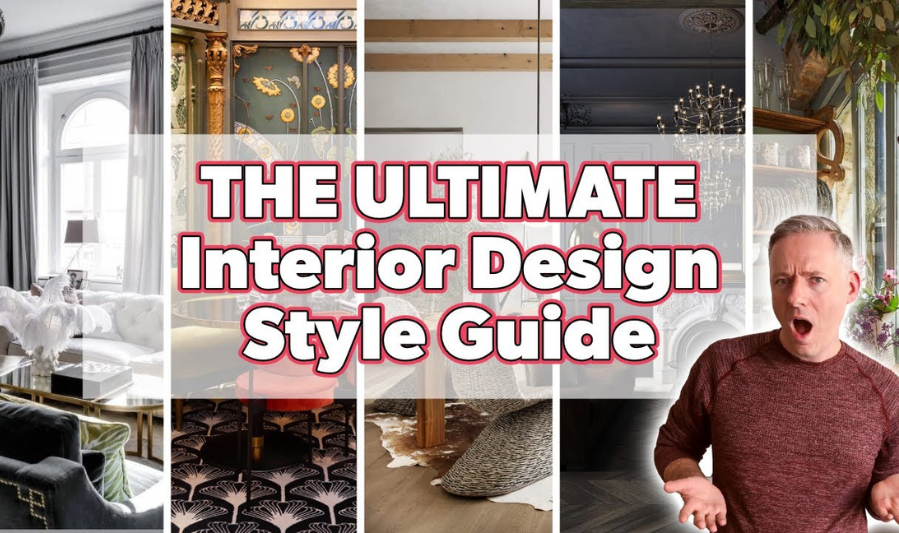
Interior design styles provide a framework for how a home looks, feels, and functions. Each style reflects different aesthetics, materials, and lifestyle preferences. Understanding these styles helps you make informed design decisions and create a space that feels intentional and cohesive.
What Defines a Home Style?
A home style is defined by a combination of visual and functional design choices that create a consistent look throughout a space. It is not just about appearance but also about how a home supports daily living.
Core Factors That Define a Style
- Color choices and combinations
- Furniture shapes and arrangements
- Material and texture selections
- Level of decoration and detail
- Overall layout and spatial design
Why Definition Matters
A clearly defined style helps maintain consistency and prevents a home from feeling visually scattered or mismatched.
How Styles Influence Mood and Lifestyle
Different interior design styles can significantly affect how a space feels and how people interact within it.
Emotional Impact of Design Styles
- Modern and minimalist styles create calm and focus
- Bohemian styles promote creativity and self-expression
- Traditional styles offer comfort and familiarity
- Industrial styles feel bold and energetic
Lifestyle Influence
Design styles also shape how a home functions:
- Open, minimal layouts support busy lifestyles and easy maintenance
- Cozy, layered designs encourage relaxation and comfort
- Functional designs improve productivity and organization
Key Elements of Any Design Style
Every interior design style is built on a few essential elements. These components work together to create a unified aesthetic and functional environment.
Color Palette
Color is one of the most powerful elements in interior design. It sets the tone and mood of a space.
Role of Color in Design Styles
- Establishes atmosphere and emotional tone
- Creates visual harmony across rooms
- Helps define the identity of a style
Examples
- Neutral tones for modern and minimalist styles
- Earthy tones for farmhouse and rustic styles
- Bold, mixed colors for eclectic and bohemian styles
Furniture Type
Furniture defines both the functionality and visual identity of a space.
How Furniture Shapes Style
- Clean lines suggest modern or contemporary design
- Ornate details reflect traditional style
- Natural, unfinished wood supports rustic themes
- Mixed furniture styles create eclectic interiors
Importance of Proportion
Furniture size and scale must match the space to maintain balance and comfort.
Textures and Materials
Textures and materials add depth and personality to a design style.
Common Material Choices
- Wood for warmth and natural appeal
- Metal for industrial and modern aesthetics
- Glass for openness and light reflection
- Fabric for softness and comfort
Role of Texture
- Adds visual interest
- Creates contrast and balance
- Enhances comfort and warmth
Lighting and Decor
Lighting and décor complete the overall look of a design style and bring the space to life.
Lighting Functions
- Ambient lighting sets overall mood
- Task lighting supports daily activities
- Accent lighting highlights design features
Decorative Elements
- Artwork and wall décor
- Rugs and textiles
- Plants and natural accents
- Accessories and personal items
Styling Balance
Decor should enhance the space without overwhelming it, maintaining harmony with other design elements.
Final Thoughts
Understanding interior design styles is essential for creating a home that feels cohesive, functional, and visually appealing. By recognizing how color, furniture, texture, and lighting work together, you can better identify your preferred style and design a space that truly reflects your personality and lifestyle.
How to Choose the Right Home Style
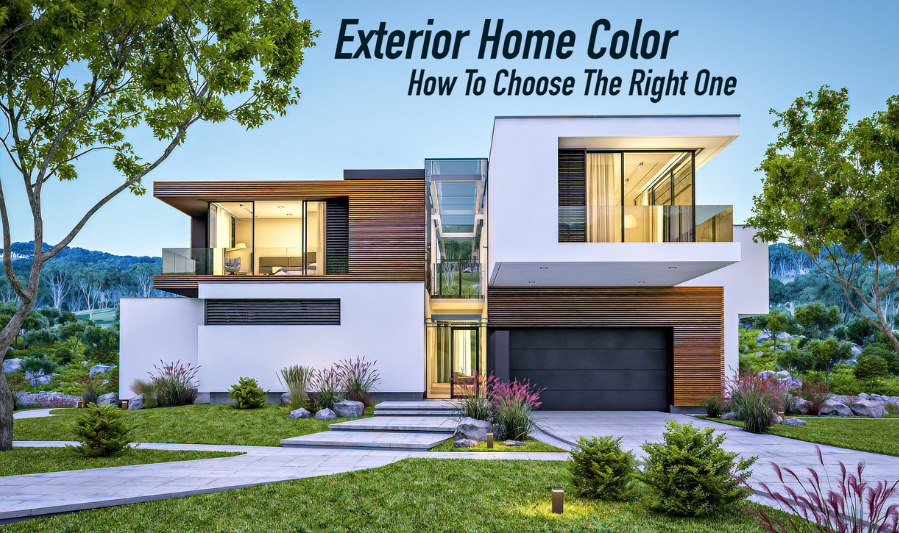
Choosing the right home style is one of the most important steps in creating a space that feels comfortable, functional, and personally meaningful. Your home style should reflect who you are while also supporting your daily routines and practical needs. With the right approach, you can narrow down your preferences and build a clear design direction.
Understanding Your Personality and Preferences
Your personality plays a major role in determining which home style feels most natural to you. Some people prefer calm and minimal spaces, while others enjoy bold, expressive interiors.
Identifying Your Design Personality
- Do you prefer simple and clean environments or detailed and decorative spaces?
- Are you drawn to neutral tones or vibrant colors?
- Do you like modern simplicity or traditional warmth?
- Do you enjoy matching décor or mixed, eclectic designs?
Matching Style to Personality
- Minimalist personality → Minimalist or modern style
- Creative personality → Bohemian or eclectic style
- Practical personality → Scandinavian or modern functional style
- Classic personality → Traditional or farmhouse style
Considering Your Lifestyle Needs
Your lifestyle should guide your design choices to ensure your home is both beautiful and practical.
Daily Routine Factors
- How much time do you spend at home?
- Do you work from home or need a workspace?
- Do you have children or pets?
- Do you entertain guests frequently?
Lifestyle-Based Style Choices
- Busy lifestyles → simple, low-maintenance modern or minimalist styles
- Family-oriented homes → durable, comfortable farmhouse or traditional styles
- Creative lifestyles → flexible, expressive bohemian or eclectic styles
Budget and Space Considerations
Your budget and available space significantly influence which home style is realistic for you.
Budget Considerations
- Some styles require high-end materials and furniture
- Others can be achieved with DIY or affordable décor
- Prioritize essential items before decorative elements
Space Considerations
- Small spaces benefit from minimalist and modern styles
- Large spaces allow for more decorative and layered styles
- Layout efficiency should always match the chosen style
Creating a Style Mood Board
A mood board is a powerful tool for visualizing and refining your home style before making decisions.
What to Include in a Mood Board
- Furniture ideas and layouts
- Color palettes
- Flooring and material samples
- Lighting styles
- Room inspiration images
- Decorative accessories
Benefits of a Mood Board
- Helps clarify your design direction
- Identifies patterns in your preferences
- Reduces decision-making stress
- Ensures consistency across rooms
Combining Inspiration Sources
Most people are not limited to a single style. Combining inspiration from multiple sources can help create a more personalized and balanced home.
Where to Find Inspiration
- Interior design websites
- Social media platforms
- Home décor magazines
- Real homes and showrooms
- Online design galleries
Tips for Blending Inspiration
- Identify common themes across images you like
- Focus on repeating colors, textures, or furniture styles
- Avoid mixing too many conflicting styles
- Choose one dominant style with subtle influences from others
Final Thoughts
Choosing the right home style is a thoughtful process that combines personality, lifestyle, space, and inspiration. By understanding your preferences, evaluating your needs, and organizing ideas visually, you can confidently select a style that creates a home that is both practical and uniquely yours.
Modern Home Style
Modern home style is one of the most popular interior design approaches, known for its simplicity, clean aesthetics, and functional layouts. It focuses on creating uncluttered spaces that feel open, calm, and highly practical for everyday living.
Key Characteristics
Modern interiors are defined by their minimalism and emphasis on structure over decoration.
Core Features of Modern Design
- Clean, straight lines
- Open and airy spaces
- Minimal decorative elements
- Functional furniture choices
- Emphasis on natural light
- Simple and balanced layouts
Design Philosophy
Modern style follows the idea that “less is more,” prioritizing usability and clarity over excess decoration.
Color Palette and Materials
The modern color palette is typically neutral, allowing furniture and architecture to stand out without visual clutter.
Common Color Palettes
- White and off-white tones
- Shades of gray
- Beige and soft neutrals
- Black accents for contrast
- Muted earth tones for warmth
Popular Materials
- Glass for openness and light reflection
- Metal for sleek and industrial touches
- Natural wood for warmth and balance
- Concrete for a raw, contemporary feel
- Stone for texture and durability
Material Combination Tips
- Pair soft neutrals with bold black accents
- Combine wood with metal for contrast
- Use glass elements to enhance openness
Furniture and Layout Ideas
Modern furniture is designed for both function and simplicity, often featuring clean shapes and minimal ornamentation.
Furniture Characteristics
- Straight or geometric shapes
- Low-profile seating
- Neutral upholstery
- Multi-functional pieces
- Lightweight and simple structures
Layout Principles
- Open floor plans to improve flow
- Minimal furniture placement
- Clear walking paths between areas
- Grouping furniture around a focal point
Space Optimization Tips
- Use built-in storage where possible
- Choose furniture with hidden compartments
- Avoid overcrowding rooms with unnecessary items
Lighting Concepts
Lighting is a key element in modern design, enhancing both functionality and mood.
Types of Lighting
- Ambient lighting for overall brightness
- Task lighting for specific activities
- Accent lighting to highlight features
Modern Lighting Styles
- Recessed ceiling lights
- Pendant lights with geometric designs
- Floor lamps with clean lines
- LED strip lighting for subtle accents
Lighting Best Practices
- Maximize natural light through large windows
- Use warm white lighting for comfort
- Incorporate dimmers for flexibility
- Highlight architectural features with accent lighting
Best Rooms for Modern Style
Modern design works well in almost every area of the home due to its versatility and simplicity.
Living Room
- Open layouts and minimal furniture
- Neutral sofas and clean-lined coffee tables
- Statement lighting and subtle décor
Bedroom
- Simple platform beds
- Neutral bedding and calming tones
- Minimal clutter and functional storage
Kitchen
- Sleek cabinetry with handleless designs
- Open shelving or hidden storage
- Clean countertops and modern appliances
Bathroom
- Minimal fixtures and clean surfaces
- Glass showers and neutral tiles
- Simple yet elegant lighting
Final Thoughts
Modern home style is ideal for those who prefer clean, functional, and visually calm spaces. By focusing on neutral colors, simple furniture, smart layouts, and effective lighting, you can create a home that feels open, stylish, and easy to maintain while supporting a comfortable modern lifestyle.
Minimalist Home Style
Minimalist home style focuses on simplicity, clarity, and intentional living. It removes unnecessary elements to create calm, functional spaces where every item has a purpose. The result is a clean, organized environment that supports focus, relaxation, and ease of maintenance.
Philosophy of “Less is More”
At the heart of minimalism is the idea that reducing excess leads to greater comfort and clarity. Instead of filling a space with objects, minimalist design emphasizes quality over quantity.
Core Ideas Behind Minimalism
- Only keep items that are useful or meaningful
- Prioritize open space over decoration
- Focus on function before aesthetics
- Reduce visual clutter to improve mental clarity
Why This Philosophy Matters
A simplified environment can reduce stress, improve focus, and make daily routines easier by eliminating unnecessary distractions.
Essential Elements of Minimalism
Minimalist interiors rely on a few key design principles that work together to create a clean and balanced space.
Clean and Simple Lines
Furniture and architecture typically feature straight, unembellished shapes that create a sense of order.
Neutral Color Palette
Minimalist homes often use soft, neutral tones to maintain visual calm.
Common Colors:
- White
- Beige
- Light gray
- Soft black accents
Open and Uncluttered Spaces
Empty space is considered valuable, helping rooms feel larger and more breathable.
Functional Design
Every piece in the home should serve a clear purpose, avoiding unnecessary decoration.
Decluttering Techniques
Decluttering is a fundamental part of achieving and maintaining a minimalist home.
The “One In, One Out” Rule
For every new item brought into the home, one item should be removed to maintain balance.
Category-Based Decluttering
Sort belongings into categories such as clothing, kitchen items, and décor to make decisions easier.
The Keep, Donate, Discard Method
- Keep items you use regularly or truly value
- Donate items in good condition that are no longer needed
- Discard broken or unusable items
Regular Maintenance
Minimalism is not a one-time effort. Regular decluttering helps maintain a clean and organized environment.
Furniture Choices for Minimal Homes
Furniture in minimalist homes is carefully selected to balance function, comfort, and simplicity.
Key Furniture Characteristics
- Simple geometric shapes
- Neutral colors and finishes
- Lightweight visual appearance
- Multi-functional design
Examples of Minimalist Furniture
- Platform beds with built-in storage
- Slim-profile sofas
- Folding or modular tables
- Wall-mounted shelves
- Hidden storage units
Arrangement Principles
- Avoid overcrowding rooms
- Maintain open walking paths
- Keep furniture proportional to room size
- Focus on essential pieces only
Pros and Cons of Minimalist Living
Minimalist living offers several benefits but may also require lifestyle adjustments.
Pros
Easier Maintenance
With fewer items, cleaning and organizing become significantly simpler.
Reduced Stress
A clutter-free environment can create a sense of calm and mental clarity.
Cost Efficiency
Spending is reduced because purchases are more intentional and less frequent.
Better Use of Space
Rooms feel larger and more open due to reduced clutter.
Cons
Limited Storage of Personal Items
Minimalism may require letting go of sentimental or rarely used belongings.
Adjustment Period
Transitioning to minimalism can be challenging for those used to collecting or decorating heavily.
Risk of Over-Simplicity
If overdone, spaces may feel too plain or lack personality.
Final Thoughts
Minimalist home style is about intentional living, simplicity, and functionality. By focusing on essential items, decluttering regularly, and choosing simple yet purposeful furniture, you can create a calm and organized home that supports both mental clarity and everyday comfort.
Minimalist Home Style
Minimalist home style is centered on simplicity, functionality, and intentional living. It removes unnecessary elements to create calm, organized spaces where every item has a clear purpose. The result is a visually clean environment that feels open, balanced, and easy to maintain.
Philosophy of “Less is More”
Minimalism is guided by the belief that reducing excess improves both physical space and mental clarity. Instead of filling rooms with décor and furniture, the focus is on what is truly necessary and meaningful.
Core Ideas Behind Minimalism
- Keep only what is useful or meaningful
- Prioritize open space over decoration
- Focus on quality rather than quantity
- Reduce visual and physical clutter
- Choose intentional, purposeful design elements
Why This Philosophy Matters
A simplified environment helps reduce stress, improves focus, and makes daily routines more efficient by eliminating unnecessary distractions and clutter.
Essential Elements of Minimalism
Minimalist interiors are built on a few foundational design principles that work together to create a calm and cohesive space.
Clean and Simple Lines
Furniture and architecture feature straight, uncluttered shapes that create order and visual clarity.
Neutral Color Palette
Minimalist spaces rely heavily on soft, neutral tones to maintain a calm atmosphere.
Common Colors:
- White
- Beige
- Light gray
- Soft black accents
Open and Uncluttered Spaces
Empty space is an essential design element, allowing rooms to feel larger and more breathable.
Functional Design
Every item serves a clear purpose, with little to no purely decorative objects.
Decluttering Techniques
Decluttering is essential for achieving and maintaining a minimalist lifestyle.
The One In, One Out Rule
For every new item brought into the home, remove one existing item to maintain balance.
Category-Based Sorting
Organize belongings into categories such as clothing, kitchen items, and décor to simplify decision-making.
Keep, Donate, Discard Method
- Keep: Items used regularly or with strong personal value
- Donate: Items in good condition but no longer needed
- Discard: Broken or unusable items
Routine Decluttering
Minimalism requires ongoing maintenance rather than a one-time cleanup. Regular reviews help prevent clutter from returning.
Furniture Choices for Minimal Homes
Furniture in minimalist homes is selected for its simplicity, functionality, and space efficiency.
Key Furniture Features
- Simple geometric shapes
- Neutral colors and finishes
- Lightweight visual design
- Multi-functional use
Examples of Minimalist Furniture
- Platform beds with storage
- Slim-profile sofas
- Folding or modular tables
- Wall-mounted shelves
- Hidden storage cabinets
Layout Principles
- Avoid overcrowding rooms
- Maintain clear walking space
- Choose appropriately scaled furniture
- Prioritize essential pieces only
Pros and Cons of Minimalist Living
Minimalist living offers many benefits, but it also requires thoughtful adjustments in lifestyle and habits.
Pros
Easier Maintenance
Fewer items make cleaning and organizing significantly easier.
Reduced Stress
Clutter-free environments promote calmness and mental clarity.
Cost Efficiency
Spending becomes more intentional, reducing unnecessary purchases.
Better Space Utilization
Rooms feel larger and more open due to reduced visual clutter.
Cons
Limited Storage for Personal Items
Minimalism may require reducing sentimental or rarely used belongings.
Adjustment Period
Transitioning to a minimalist lifestyle can be challenging initially.
Risk of Over-Simplicity
If not balanced well, spaces may feel too plain or lack personality.
Final Thoughts
Minimalist home style emphasizes intentional living, simplicity, and functionality. By focusing on essential items, maintaining a clutter-free environment, and choosing purposeful furniture, you can create a calm, organized, and visually balanced home that supports both comfort and clarity in everyday life.
Scandinavian Home Style
Scandinavian home style is known for its balance of simplicity, comfort, and functionality. Originating from Nordic countries, it focuses on creating bright, cozy, and practical living spaces that feel connected to nature while remaining highly livable.
Origins of Scandinavian Design
Scandinavian design developed in countries such as Denmark, Sweden, Norway, and Finland during the early 20th century. It was shaped by long winters, limited daylight, and a cultural emphasis on simplicity and practicality.
Key Influences
- Harsh cold climates requiring warm, functional interiors
- A cultural preference for minimalism and craftsmanship
- Early modern design movements emphasizing simplicity
- A focus on affordability and accessibility in furniture design
Design Philosophy
The core idea of Scandinavian design is to combine beauty with practicality, ensuring homes are both aesthetically pleasing and highly functional.
Cozy and Functional Features
Scandinavian interiors are designed to feel warm and inviting while remaining simple and uncluttered.
Core Characteristics
- Clean and minimal layouts
- Functional furniture with simple forms
- Cozy textiles and layered fabrics
- Open, airy spaces with natural light
- Balanced use of warmth and simplicity
How Function Meets Comfort
Every design element serves a purpose while still contributing to a cozy atmosphere, making Scandinavian homes both practical and relaxing.
You may also like to read these posts:
Home Inspiration Ideas for Beginners: Simple Ways to Transform Your Space
Simple and Creative Home Inspiration Tips for Modern Living
Light and Natural Materials
Natural materials are central to Scandinavian design, helping create a connection to nature and enhancing brightness in interiors.
Common Materials
- Light woods such as pine, birch, and oak
- Wool and cotton textiles
- Linen fabrics for softness and breathability
- Stone and ceramic accents
- Glass elements for light reflection
Color Palette
Scandinavian interiors typically use light and neutral colors to maximize brightness.
Common Colors:
- White
- Soft gray
- Beige
- Pale blue
- Muted earth tones
Material Balance
Natural textures are combined with clean finishes to create a harmonious and inviting environment.
Hygge Concept in Interiors
“Hygge” is a Danish concept that represents comfort, warmth, and well-being. It plays a major role in Scandinavian interior design.
What Hygge Means
- Creating a sense of emotional comfort
- Enjoying simple, cozy moments at home
- Focusing on warmth and relaxation
- Prioritizing atmosphere over luxury
Hygge in Interior Design
- Soft lighting such as candles and warm lamps
- Comfortable seating with blankets and cushions
- Warm textures like knitted throws and rugs
- Personal and meaningful décor items
- Relaxed, clutter-free environments
Why Hygge Matters
It transforms a home into a comforting retreat that supports mental well-being and relaxation, especially during long, cold seasons.
Room-by-Room Ideas
Scandinavian design can be applied effectively throughout the home with consistent principles of simplicity, warmth, and functionality.
Living Room
- Light-colored sofas with soft textures
- Wooden coffee tables with simple designs
- Large windows with minimal curtains
- Cozy rugs and layered lighting
Bedroom
- Neutral bedding with soft fabrics
- Minimal furniture with clean lines
- Warm bedside lighting
- Simple wall art and natural accents
Kitchen
- White or light wood cabinetry
- Open shelving with neatly arranged items
- Clean countertops with minimal clutter
- Functional, space-saving layouts
Bathroom
- Bright tiles in white or gray tones
- Wooden accents for warmth
- Simple fixtures and storage solutions
- Soft lighting for a calming effect
Final Thoughts
Scandinavian home style blends simplicity, functionality, and warmth into a cohesive design approach. By using natural materials, light color palettes, and the hygge philosophy, you can create a home that feels bright, cozy, and deeply comfortable while remaining practical for everyday living.
Faqs:
What are the most popular beautiful home inspiration styles?
Some of the most popular styles include modern, minimalist, Scandinavian, bohemian, rustic, and contemporary. Each style offers a unique look depending on your taste and lifestyle.
How do I choose the right home style for my house?
Start by understanding your preferences, lifestyle needs, and budget. Look at inspiration online, create a mood board, and choose a style that feels comfortable and practical for daily living.
Can I mix different home inspiration styles?
Yes, many homes successfully mix styles like modern and Scandinavian or bohemian and rustic. The key is to maintain balance and choose one dominant style to avoid a messy look.
Which home style is best for small spaces?
Minimalist and Scandinavian styles work best for small spaces because they focus on simplicity, light colors, and smart use of space, making rooms feel larger and more open.
Is modern home style better than traditional style?
Neither is better—it depends on personal preference. Modern style offers a clean and simple look, while traditional style provides a classic and elegant feel. Choose what matches your personality and comfort.
Conclusion
Beautiful home inspiration styles give you endless ways to design a space that feels both stylish and personal. Whether you prefer modern simplicity, cozy Scandinavian warmth, artistic bohemian charm, or classic traditional elegance, each style offers something unique for your home.
The key is to choose a style that matches your lifestyle, supports your daily needs, and makes you feel comfortable. You can also mix styles carefully to create a more personalized look, as long as the overall design stays balanced and consistent.