
Introduction
A home is more than just a place to live—it is a reflection of your personality, lifestyle, and values. Whether you live in a small apartment, a family house, or your first home, creating a space that feels comfortable and inspiring can have a positive impact on your daily life. Home inspiration is about discovering ideas, styles, and practical solutions that help transform ordinary spaces into beautiful, functional environments.
What Home Inspiration Means
Home inspiration refers to the creative ideas, designs, and decorating concepts that help people improve their living spaces. It can come from many sources, including interior design trends, nature, travel experiences, social media, magazines, and personal preferences. The goal is not to copy someone else’s home but to find ideas that suit your needs and express your unique style.
Why Creating a Beautiful Home Matters
A well-designed home can enhance comfort, improve productivity, and support emotional well-being. Beautiful spaces often make people feel more relaxed, motivated, and confident. Beyond appearance, thoughtful home design can improve organization, maximize available space, and create a welcoming atmosphere for family and guests.
Common Challenges Beginners Face
Many people feel overwhelmed when starting a home improvement or decorating project. Common challenges include limited budgets, small spaces, uncertainty about design styles, and difficulty choosing colors, furniture, or décor. Beginners may also struggle to balance aesthetics with functionality, making it hard to know where to begin.
What Readers Will Learn in This Guide
This guide will provide practical tips, creative ideas, and step-by-step advice for transforming your home. Readers will learn how to identify their personal style, choose colors and furniture, organize spaces effectively, decorate on a budget, and create rooms that are both beautiful and functional. By the end, you’ll have the knowledge and confidence to design a home that reflects your personality and supports your lifestyle.
Understanding Your Home Style
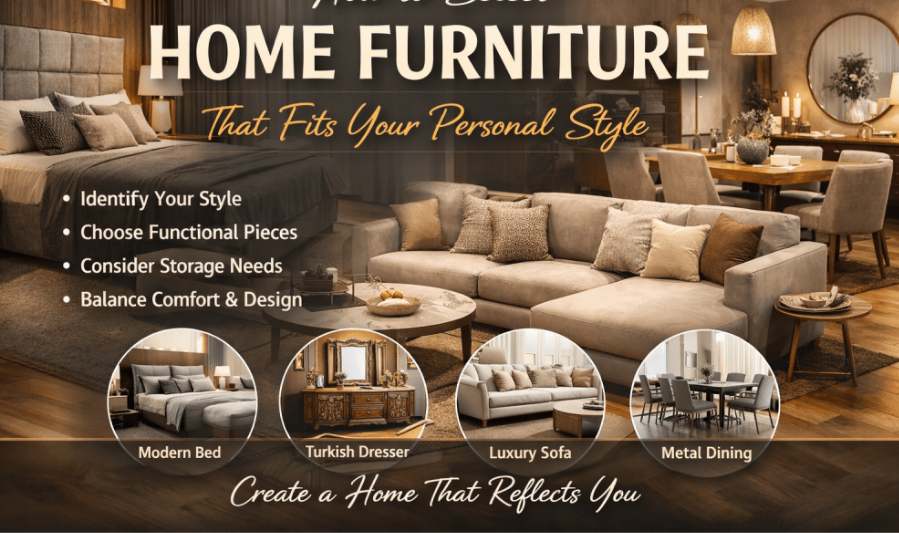
Creating a beautiful home begins with understanding your personal design preferences. Knowing your style helps you make confident decorating decisions and ensures that every room feels cohesive and intentional.
Why Identifying Your Style Is Important
Before purchasing furniture, selecting paint colors, or choosing décor, it’s important to identify the style that best represents your personality and lifestyle.
Creates Consistency
A clear design style helps maintain a unified look throughout your home. Consistent colors, materials, and décor choices create a sense of harmony and balance from room to room.
Makes Decorating Decisions Easier
When you know your preferred style, selecting furniture, accessories, and color schemes becomes much simpler. Instead of feeling overwhelmed by endless options, you can focus on choices that fit your vision.
Popular Home Design Styles for Beginners
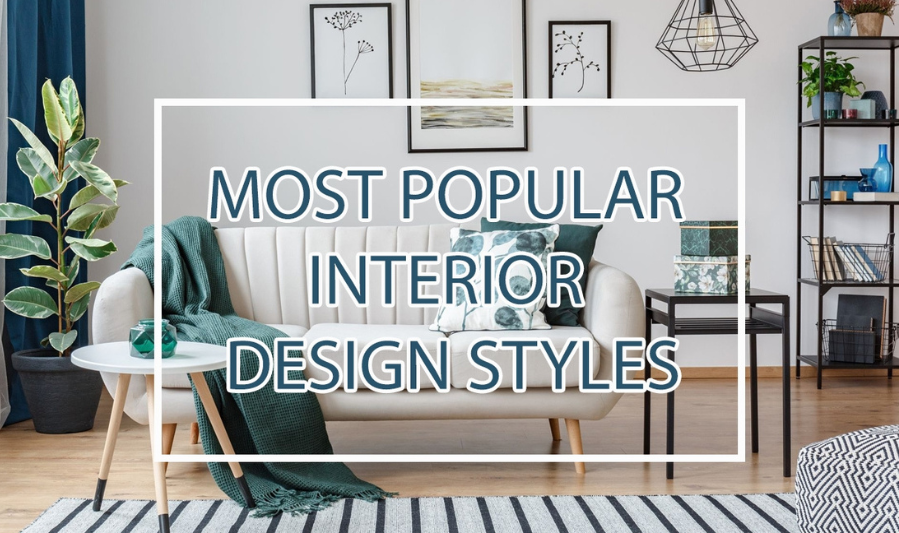
If you’re new to interior decorating, these popular design styles provide a great starting point.
Modern
Modern design emphasizes clean lines, simple forms, and functional spaces. It often features neutral color palettes, open layouts, and minimal ornamentation.
Minimalist
Minimalist interiors focus on simplicity and intentional living. This style uses only essential furniture and décor while prioritizing uncluttered spaces and functionality.
Scandinavian
Inspired by Nordic design, Scandinavian interiors combine simplicity, comfort, and practicality. Light colors, natural materials, and cozy textures are key characteristics.
Farmhouse
Farmhouse style creates a warm and inviting atmosphere through rustic elements, natural wood finishes, and comfortable furnishings. It blends traditional charm with modern convenience.
Bohemian
Bohemian design celebrates creativity and individuality. It features layered textures, vibrant colors, eclectic décor, and a mix of patterns collected from different cultures and experiences.
Traditional
Traditional interiors are inspired by classic European design. They often include elegant furniture, rich colors, decorative details, and timeless accessories.
How to Find Your Personal Style
Finding your ideal home style takes exploration and inspiration.
Create a Mood Board
Gather images, color samples, fabric swatches, and furniture ideas that appeal to you. A mood board helps reveal common themes and preferences.
Save Inspiration Photos
Browse design websites, magazines, and social media platforms to collect photos of rooms you admire. Over time, you’ll notice recurring styles, colors, and design elements.
Analyze Favorite Spaces
Think about places where you feel most comfortable and inspired. Consider what specific features you enjoy, such as color palettes, furniture arrangements, lighting, or decorative details.
Setting a Budget Before Decorating
A successful decorating project starts with a realistic budget. Planning your spending helps you achieve your goals without unnecessary financial stress.
Benefits of Budget Planning
Prevents Overspending
A budget provides clear spending limits and reduces the temptation to make impulsive purchases that may not fit your overall design plan.
Helps Prioritize Purchases
Budget planning allows you to focus on the most important items first, such as furniture, lighting, or storage solutions, before investing in decorative accessories.
Budget-Friendly Decorating Tips
Beautiful homes don’t require large budgets. Smart decorating strategies can help you create stylish spaces while saving money.
DIY Projects
Do-it-yourself projects are an affordable way to personalize your home. Painting furniture, creating wall art, or building simple shelves can add character without significant expense.
Second-Hand Furniture
Thrift stores, flea markets, and online marketplaces often offer quality furniture at a fraction of retail prices. With a little creativity, second-hand pieces can become standout features in your home.
Seasonal Sales
Shopping during holiday promotions, clearance events, and end-of-season sales can help you purchase high-quality items at discounted prices.
Repurposing Existing Items
Before buying something new, consider how existing furniture or décor can be refreshed through painting, reupholstering, or rearranging.
Choosing the Right Color Palette
Color plays a major role in shaping the atmosphere and personality of a home. Understanding how colors affect mood can help you create spaces that feel comfortable and inviting.
Understanding Color Psychology
Different colors evoke different emotions and can influence the overall feel of a room.
Warm Colors
Warm colors such as red, orange, and yellow create energy, warmth, and excitement. They are often used in social spaces like living rooms and dining areas.
Cool Colors
Cool colors such as blue, green, and purple promote calmness, relaxation, and focus. These shades work particularly well in bedrooms and home offices.
Neutral Colors
Neutral tones like white, beige, gray, and taupe provide versatility and balance. They create a timeless foundation that complements a variety of decorating styles.
Best Color Schemes for Beginners
If you’re unsure where to start, these beginner-friendly color combinations are easy to work with and remain stylish over time.
White and Beige
This classic pairing creates a bright, clean, and welcoming environment. It works well in almost any room and complements a wide range of furniture styles.
Gray and Blue
Gray and blue create a sophisticated yet calming atmosphere. This combination is ideal for bedrooms, living rooms, and workspaces.
Earth-Tone Combinations
Earth-inspired colors such as brown, tan, olive green, terracotta, and cream bring warmth and a natural feel to interior spaces. They pair beautifully with wood, stone, and natural fibers.
Discovering Your Personal Interior Design Style
Your interior design style reflects your personality, lifestyle, and preferences. Understanding different design styles helps you make better decorating decisions and create a home that feels both comfortable and visually appealing.
Modern Style
Modern design focuses on simplicity, functionality, and clean aesthetics.
Key Features of Modern Style
- Clean, straight lines
- Neutral color palettes
- Open and uncluttered spaces
- Functional furniture
- Glass, metal, and natural wood materials
Minimalist Style
Minimalist interiors embrace the concept of “less is more.” Every element serves a purpose while maintaining a calm and organized atmosphere.
Key Features of Minimalist Style
- Simple furniture designs
- Minimal decorations
- Neutral colors
- Clutter-free spaces
- Focus on functionality
Scandinavian Style
Scandinavian design combines simplicity, comfort, and practicality to create bright and welcoming interiors.
Key Features of Scandinavian Style
- Light color schemes
- Natural wood finishes
- Cozy textiles and fabrics
- Functional furnishings
- Bright, airy rooms
Contemporary Style
Contemporary design reflects current trends while maintaining a sophisticated and clean appearance.
Key Features of Contemporary Style
- Smooth, clean lines
- Open floor plans
- Neutral tones with accent colors
- Modern materials and finishes
- Flexible and evolving design elements
Bohemian Style
Bohemian style celebrates creativity, individuality, and artistic expression through diverse colors, patterns, and textures.
Key Features of Bohemian Style
- Vibrant color palettes
- Layered textiles
- Eclectic furniture
- Natural and handcrafted materials
- Global-inspired décor
Rustic Style
Rustic interiors draw inspiration from nature and emphasize warmth, comfort, and natural materials.
Key Features of Rustic Style
- Exposed wood beams
- Stone accents
- Earthy color palettes
- Handmade elements
- Comfortable furnishings
Farmhouse Style
Farmhouse design blends rustic charm with modern comfort to create welcoming living spaces.
Key Features of Farmhouse Style
- Reclaimed wood furniture
- Neutral color schemes
- Vintage-inspired décor
- Cozy seating arrangements
- Practical and functional layouts
Industrial Style
Industrial interiors are inspired by factories and warehouses, showcasing raw and unfinished materials.
Key Features of Industrial Style
- Exposed brick walls
- Metal fixtures and accents
- Concrete surfaces
- Open spaces
- Neutral and darker color palettes
Traditional Style
Traditional design focuses on timeless elegance, symmetry, and classic furnishings.
Key Features of Traditional Style
- Rich color palettes
- Decorative moldings
- Classic furniture styles
- Elegant fabrics
- Balanced room arrangements
How to Mix Different Styles Successfully
Combining multiple design styles can create a unique and personalized home when done thoughtfully.
Start with a Dominant Style
Choose one primary style as the foundation for your space. This helps create consistency and prevents the design from feeling disconnected.
Use a Consistent Color Palette
A unified color scheme helps blend different design elements together and creates visual harmony throughout the home.
Repeat Materials and Textures
Using similar materials, such as wood, metal, or natural fabrics, can connect different styles and create a cohesive look.
Balance Old and New Elements
Mix contemporary furniture with vintage accessories or combine rustic pieces with modern accents to add character and depth.
Focus on Functionality
No matter which styles you combine, ensure your home remains practical, comfortable, and suitable for everyday living.
Trust Your Personal Taste
Your home should reflect your personality. Experiment with different combinations and choose elements that make you feel comfortable and inspired.
Planning Your Home Design
A successful home transformation begins with careful planning. Taking time to organize your ideas before making purchases can help you create a cohesive, functional, and visually appealing space. A well-thought-out plan also helps you stay within budget and avoid costly decorating mistakes.
Creating a Vision Board
A vision board is a collection of images, colors, materials, furniture styles, and décor ideas that represent your desired home aesthetic. It serves as a visual guide throughout the decorating process and helps you stay focused on your design goals.
Benefits of a Vision Board
- Clarifies your design preferences
- Helps identify recurring themes and styles
- Prevents impulse purchases
- Creates consistency throughout your home
- Makes decorating decisions easier
What to Include on Your Vision Board
- Color palettes
- Furniture ideas
- Lighting inspiration
- Flooring options
- Wall treatments
- Decorative accessories
- Fabric and texture samples
- Room layout concepts
Using Inspiration Sources
Inspiration can come from a variety of places. Exploring different sources allows you to discover styles, colors, and design solutions that match your personality and lifestyle.
Pinterest is one of the most popular platforms for home design inspiration. Users can create boards, save ideas, and organize images by room, style, or project.
Why Use Pinterest?
- Thousands of design ideas available
- Easy organization with custom boards
- Inspiration for every room and budget
- Access to DIY and decorating tutorials
Home Magazines
Home décor and interior design magazines provide professionally curated ideas and expert advice. They often showcase the latest design trends, room makeovers, and decorating tips.
Benefits of Home Magazines
- High-quality photography
- Professional design guidance
- Trend forecasting
- Detailed room styling examples
Social Media
Social media platforms offer endless home inspiration through designers, decorators, homeowners, and DIY creators.
Best Ways to Use Social Media
- Follow interior designers
- Save favorite room designs
- Explore trending décor ideas
- Watch home makeover videos
- Discover budget-friendly decorating solutions
Interior Design Websites
Interior design websites provide articles, galleries, expert advice, and practical decorating guides for homeowners.
Advantages of Interior Design Websites
- Professional recommendations
- Room-by-room inspiration
- Design trend updates
- Furniture and décor ideas
- Step-by-step decorating guides
Developing a Room-by-Room Plan
Planning each room individually helps ensure that every space serves its intended purpose while contributing to the overall design of your home.
Step 1: Define the Room’s Purpose
Consider how the room will be used and who will use it most frequently. Understanding its primary function helps guide furniture and décor decisions.
Questions to Ask
- Is the room for relaxation, work, entertainment, or dining?
- How many people will use the space?
- What storage needs exist?
- What activities will take place in the room?
Step 2: Measure the Space
Accurate measurements help you choose furniture and décor that fit properly within the room.
Important Measurements
- Room dimensions
- Doorway widths
- Window sizes
- Ceiling height
- Existing furniture dimensions
Step 3: Plan Furniture Placement
Create a rough floor plan before purchasing furniture. This helps maximize space and improve room flow.
Furniture Planning Tips
- Leave clear walking paths
- Avoid overcrowding the room
- Focus on functionality
- Arrange furniture around focal points
Step 4: Choose Colors and Materials
Select colors, textures, and materials that complement your overall design vision while meeting the room’s practical needs.
Consider
- Wall colors
- Flooring materials
- Upholstery fabrics
- Decorative finishes
- Accent pieces
Step 5: Add Lighting and Accessories
Lighting and accessories bring personality and warmth to a room while enhancing functionality.
Essential Elements
- Ambient lighting
- Task lighting
- Accent lighting
- Artwork
- Decorative pillows
- Rugs
- Plants
- Personal accessories
Final Thoughts
A well-planned home design project starts with a clear vision and a structured approach. By creating a vision board, gathering inspiration from reliable sources, and developing a room-by-room plan, you can confidently design a home that reflects your style, meets your needs, and creates a comfortable living environment.
Choosing the Perfect Color Scheme
The colors you choose for your home play a major role in shaping its atmosphere, mood, and overall appearance. A well-planned color scheme can make spaces feel larger, brighter, cozier, or more elegant. Understanding the basics of color selection will help you create a harmonious and visually appealing home.
Understanding Basic Color Theory
Color theory is the foundation of interior design. It explains how colors interact with one another and how they influence emotions and perceptions.
Primary Colors
Primary colors are the building blocks of all other colors.
- Red
- Blue
- Yellow
Secondary Colors
Secondary colors are created by mixing two primary colors.
- Green (Blue + Yellow)
- Orange (Red + Yellow)
- Purple (Red + Blue)
Complementary Colors
Complementary colors sit opposite each other on the color wheel and create strong visual contrast.
Examples:
- Blue and Orange
- Red and Green
- Yellow and Purple
Analogous Colors
Analogous colors are located next to each other on the color wheel and create a balanced, harmonious appearance.
Examples:
- Blue, Blue-Green, and Green
- Yellow, Yellow-Orange, and Orange
Neutral Color Palettes
Neutral colors provide a timeless and versatile foundation for interior design. They work well with almost every decorating style and make it easy to update décor over time.
Popular Neutral Colors
- White
- Beige
- Cream
- Gray
- Taupe
- Soft Brown
Benefits of Neutral Color Palettes
- Create a clean and elegant look
- Make rooms feel larger and brighter
- Pair easily with accent colors
- Remain stylish for years
Warm Color Palettes
Warm colors create energy, comfort, and a welcoming atmosphere. They are often used in social spaces where people gather and interact.
Common Warm Colors
- Red
- Orange
- Yellow
- Terracotta
- Warm Beige
- Golden Brown
Benefits of Warm Color Palettes
- Create a cozy environment
- Add warmth to large spaces
- Encourage conversation and activity
- Make rooms feel inviting
Cool Color Palettes
Cool colors promote relaxation, calmness, and serenity. They are ideal for spaces designed for rest and concentration.
Common Cool Colors
- Blue
- Green
- Purple
- Teal
- Soft Gray
- Cool White
Benefits of Cool Color Palettes
- Create a peaceful atmosphere
- Make rooms feel fresh and airy
- Support relaxation and focus
- Work well in bedrooms and offices
Accent Colors
Accent colors add personality and visual interest to a room. They are typically used in smaller amounts to highlight specific areas or design features.
Ways to Use Accent Colors
- Throw pillows
- Artwork
- Rugs
- Curtains
- Decorative accessories
- Accent furniture
- Feature walls
Tips for Choosing Accent Colors
- Select colors that complement your main palette
- Use accent colors sparingly
- Repeat accent colors throughout the room for balance
- Consider seasonal updates for a fresh look
Color Selection for Different Rooms
Different rooms serve different purposes, and their color schemes should support those functions.
Living Room
The living room is often the central gathering space in a home. Its colors should promote comfort, conversation, and relaxation.
Recommended Colors for Living Rooms
- Warm beige
- Soft gray
- Cream
- Light blue
- Sage green
- Earth tones
Living Room Color Tips
- Use neutral walls as a foundation
- Add colorful accessories for personality
- Consider natural lighting when selecting paint colors
- Balance warm and cool tones for a welcoming feel
Bedroom
Bedrooms should feel peaceful and relaxing. Soft, soothing colors can help create an environment that encourages rest and comfort.
Recommended Colors for Bedrooms
- Soft blue
- Lavender
- Sage green
- Warm gray
- Cream
- Dusty pink
Bedroom Color Tips
- Avoid overly bright or stimulating colors
- Use layered neutral tones for a calming effect
- Incorporate soft textures to complement the color palette
- Choose colors that promote relaxation and sleep
Kitchen
The kitchen is a functional and social space where color can influence energy and mood. Bright and clean color schemes often work best.
Recommended Colors for Kitchens
- White
- Light gray
- Soft yellow
- Sage green
- Navy blue
- Warm beige
Kitchen Color Tips
- Use lighter colors to create a clean appearance
- Add color through backsplashes and accessories
- Consider cabinet and countertop combinations
- Choose durable finishes that maintain their appearance over time
Final Thoughts
Choosing the perfect color scheme involves balancing personal preference with the function of each room. By understanding basic color theory, exploring different palette types, and selecting colors that complement your lifestyle, you can create a home that feels beautiful, cohesive, and welcoming.
Living Room Inspiration Ideas
The living room is often the heart of the home—a place where family members gather, guests are welcomed, and everyday activities take place. A well-designed living room should be both functional and inviting, combining comfort with style. Whether you’re starting from scratch or updating an existing space, thoughtful design choices can transform your living room into a beautiful and practical area.
Selecting the Right Furniture
Furniture serves as the foundation of your living room design. Choosing pieces that fit your space and lifestyle is essential for creating a balanced and comfortable environment.
Consider Room Size
Before purchasing furniture, measure your living room carefully. Oversized furniture can make a room feel crowded, while pieces that are too small may leave the space feeling incomplete.
Prioritize Comfort
Choose sofas, chairs, and seating options that provide both comfort and support. Since the living room is often used daily, practicality should be as important as appearance.
Focus on Functionality
Consider how the room will be used. Families may need durable furniture and extra seating, while smaller households may prioritize flexibility and space-saving solutions.
Creating a Comfortable Layout
A good furniture layout improves both the functionality and flow of a living room.
Arrange Around a Focal Point
Position seating around the room’s main feature, such as a fireplace, television, large window, or statement artwork.
Maintain Clear Walkways
Ensure there is enough space for people to move comfortably throughout the room without obstacles.
Encourage Conversation
Arrange seating so that people can easily interact with one another. Group chairs and sofas together to create a welcoming social environment.
Adding Texture Through Fabrics
Texture adds depth, warmth, and visual interest to a living room. Layering different materials helps create a more inviting and professionally styled space.
Popular Textures to Include
- Linen cushions
- Velvet throw pillows
- Wool blankets
- Cotton upholstery
- Knit accessories
- Woven baskets
Benefits of Layering Textures
- Creates a cozy atmosphere
- Adds visual dimension
- Softens hard surfaces
- Enhances comfort
Using Rugs Effectively
Rugs help define spaces, add warmth, and tie design elements together.
Choosing the Right Rug Size
A rug should be large enough to connect major furniture pieces within the seating area. Small rugs can make a room feel disconnected.
Selecting Rug Colors and Patterns
Choose rugs that complement your color scheme while adding visual interest through subtle patterns or textures.
Rug Placement Tips
- Place front furniture legs on the rug when possible
- Center the rug within the seating area
- Leave a balanced border around the edges of the room
Decorative Accessories
Accessories give personality and character to a living room. They help showcase your style while making the space feel complete.
Popular Decorative Accessories
- Throw pillows
- Decorative trays
- Coffee table books
- Candles
- Artwork
- Mirrors
- Indoor plants
- Sculptures and decorative objects
Styling Tips
- Group accessories in odd numbers
- Vary heights and shapes
- Avoid overcrowding surfaces
- Mix textures and materials for interest
Creating a Focal Point
A focal point draws attention and provides visual structure within the room.
Common Living Room Focal Points
- Fireplace
- Television wall
- Large artwork
- Gallery wall
- Statement furniture piece
- Large window with a view
How to Enhance a Focal Point
- Use lighting to highlight the feature
- Arrange furniture toward it
- Keep surrounding décor balanced
- Avoid competing focal points
Budget-Friendly Living Room Upgrades
Refreshing your living room doesn’t have to require a large budget. Small updates can make a significant impact.
Rearrange Existing Furniture
Changing the layout can instantly make a room feel new without spending any money.
Add New Throw Pillows
Replacing or updating pillows is an affordable way to introduce color, texture, and seasonal style.
Update Lighting
New lamps, lampshades, or energy-efficient bulbs can improve both the appearance and functionality of the space.
Incorporate Indoor Plants
Plants add life, color, and freshness while improving the overall atmosphere of the room.
Create a Gallery Wall
Display family photos, artwork, or framed prints to add personality and visual interest.
Refresh Walls with Paint
A new coat of paint is one of the most cost-effective ways to transform a living room.
Repurpose Existing Décor
Move decorative items from other rooms or give old accessories a fresh look through painting or refinishing.
Final Thoughts
A beautiful living room combines comfort, functionality, and personal style. By selecting the right furniture, creating a thoughtful layout, incorporating texture, using rugs effectively, and adding meaningful accessories, you can design a space that feels welcoming and reflects your personality. Even small, budget-friendly improvements can make a noticeable difference in the overall look and feel of your living room.
Bedroom Inspiration Ideas
Your bedroom should be more than just a place to sleep—it should be a personal sanctuary where you can relax, recharge, and unwind after a busy day. A thoughtfully designed bedroom combines comfort, functionality, and style to create an environment that promotes rest and well-being.
Designing a Relaxing Retreat
Creating a peaceful bedroom starts with designing a space that encourages relaxation and comfort.
Choose a Calming Color Palette
Soft and soothing colors can help create a tranquil atmosphere.
Popular Bedroom Colors:
- Soft blue
- Sage green
- Warm gray
- Cream
- Beige
- Lavender
Keep the Space Clutter-Free
A tidy room promotes a sense of calm and makes the bedroom feel more spacious and inviting.
Incorporate Comfortable Textures
Layering soft fabrics and cozy materials enhances comfort and warmth.
Examples Include:
- Plush blankets
- Soft area rugs
- Upholstered headboards
- Decorative cushions
- Knit throws
Choosing Bedding and Linens
Quality bedding can significantly improve both comfort and the overall appearance of your bedroom.
Invest in Comfortable Sheets
Choose breathable and durable fabrics that feel comfortable throughout the year.
Popular Bedding Materials:
- Cotton
- Linen
- Bamboo
- Microfiber
- Egyptian cotton
Layer Bedding for a Luxurious Look
Layering creates depth and adds a hotel-inspired feel to your bedroom.
Layering Essentials:
- Fitted sheet
- Flat sheet
- Comforter or duvet
- Decorative pillows
- Throw blanket
Coordinate Colors and Patterns
Select bedding that complements your room’s color palette while adding subtle visual interest through patterns and textures.
Lighting for Better Sleep
Lighting plays an important role in both the functionality and mood of a bedroom.
Use Multiple Lighting Sources
A layered lighting approach allows you to adjust brightness according to your needs.
Types of Bedroom Lighting:
- Ambient lighting
- Task lighting
- Accent lighting
- Bedside lamps
- Wall sconces
Choose Warm Light Bulbs
Warm-toned lighting creates a cozy and relaxing environment that supports evening relaxation.
Maximize Natural Light
During the day, natural light can make the room feel bright and welcoming.
Tips for Natural Light:
- Use sheer curtains
- Keep windows clean
- Position mirrors to reflect sunlight
- Avoid blocking windows with large furniture
You may also like to read these posts:
Home Inspiration Ideas for Beginners: Simple Ways to Transform Your Space
Simple and Creative Home Inspiration Tips for Modern Living
Bedroom Storage Solutions
Effective storage helps maintain a clean and organized bedroom while maximizing available space.
Utilize Under-Bed Storage
The space beneath the bed can be used for storing seasonal clothing, extra bedding, or personal items.
Choose Multi-Functional Furniture
Furniture with built-in storage provides both practicality and space efficiency.
Examples Include:
- Storage beds
- Ottoman benches
- Nightstands with drawers
- Storage trunks
- Wardrobes with organizers
Maximize Vertical Space
Take advantage of wall space to increase storage without taking up floor area.
Ideas Include:
- Floating shelves
- Wall-mounted cabinets
- Hanging organizers
- Hooks and racks
Wall Decor Ideas
Wall décor adds personality and visual interest while helping the bedroom feel complete.
Create a Gallery Wall
Display a collection of artwork, photographs, or framed prints that reflect your personality and interests.
Install Statement Artwork
A large piece of artwork above the bed can serve as an elegant focal point.
Use Mirrors
Mirrors can make a room appear larger while reflecting natural light throughout the space.
Add Decorative Shelving
Floating shelves provide opportunities to display books, plants, candles, and decorative accessories.
Small Bedroom Design Tips
Decorating a small bedroom requires careful planning to maximize both style and functionality.
Choose Light Colors
Lighter colors help create the illusion of a larger and more open space.
Select Space-Saving Furniture
Opt for furniture designed specifically for smaller rooms.
Examples Include:
- Wall-mounted nightstands
- Storage beds
- Folding desks
- Slim wardrobes
Reduce Visual Clutter
Limit unnecessary décor and keep surfaces organized to maintain an open and airy appearance.
Use Mirrors Strategically
Large mirrors can visually expand a room and increase brightness.
Keep Furniture Proportional
Choose furniture that fits the room’s dimensions rather than oversized pieces that overwhelm the space.
Final Thoughts
A well-designed bedroom should provide comfort, functionality, and relaxation. By selecting calming colors, investing in quality bedding, using effective lighting, incorporating smart storage solutions, and decorating thoughtfully, you can create a beautiful retreat that supports restful sleep and reflects your personal style. Whether your bedroom is large or small, intentional design choices can transform it into a peaceful and inviting sanctuary.
Faqs:
How can beginners start decorating their home?
Beginners should start by identifying their preferred design style, setting a budget, and focusing on one room at a time. Simple changes such as decluttering, adding plants, updating lighting, and using a cohesive color palette can make a significant impact.
What is the best home decor style for beginners?
Minimalist and Scandinavian styles are often the easiest for beginners because they emphasize simplicity, functionality, and neutral colors. These styles are easy to maintain and work well in most homes.
How can I decorate my home on a small budget?
You can decorate on a budget by shopping at thrift stores, repurposing existing furniture, taking on DIY projects, and purchasing decor items during sales. Small updates like new cushions, rugs, and wall art can refresh a space without major expenses.
What colors make a home look bigger and brighter?
Light colors such as white, cream, beige, soft gray, and pastel shades can make rooms feel larger and brighter. These colors reflect more natural light and create an open, airy atmosphere.
How often should I update my home decor?
There is no fixed rule, but many homeowners refresh their decor seasonally or once a year. Small updates such as changing throw pillows, adding new accessories, or rearranging furniture can keep your home feeling fresh and stylish.
Conclusion
Creating a beautiful and inspiring home doesn’t have to be complicated or expensive. By starting with simple changes, choosing a style that reflects your personality, and focusing on comfort and functionality, you can transform any space into a place you love. Whether you’re updating your living room, organizing your bedroom, or adding decorative touches throughout your home, every small improvement contributes to a more welcoming and enjoyable environment.