
Introduction
Modern home décor continues to evolve as lifestyles, technology, and design preferences change. In 2026, homeowners are focusing on creating spaces that are functional, comfortable, sustainable, and highly personalized. Modern décor trends are no longer just about appearance—they are about improving how people live, work, and relax within their homes.
What Are Modern Decor Trends?
Modern décor trends are the latest design styles, materials, color palettes, furniture concepts, and decorating approaches that influence contemporary interiors. These trends reflect current living habits and emerging preferences in home design.
Key Characteristics of Modern Decor Trends
- Focus on functionality and comfort
- Clean and uncluttered aesthetics
- Integration of natural materials
- Sustainable design practices
- Flexible and multifunctional spaces
- Personalized decorative elements
Purpose of Following Trends
Modern trends provide inspiration for refreshing interiors while helping homeowners create spaces that feel current and relevant.
Why Home Decor Trends Matter in 2026
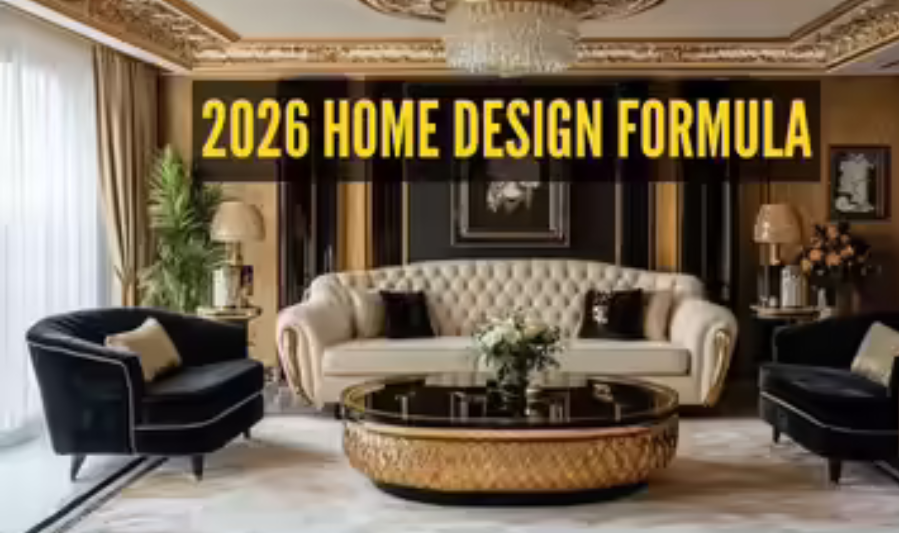
Home décor trends in 2026 are shaped by changing lifestyles, increased environmental awareness, and advancements in technology.
Reflecting Modern Living Needs
Today’s homes often serve multiple purposes, including:
- Living and relaxation spaces
- Home offices
- Entertainment areas
- Wellness and self-care environments
Modern décor trends help homeowners adapt their interiors to these evolving demands.
Supporting Sustainability
Many 2026 trends emphasize:
- Eco-friendly materials
- Durable furnishings
- Responsible consumption
- Energy-efficient design choices
Enhancing Daily Comfort
Current design trends prioritize creating homes that support both physical comfort and emotional well-being.
How Modern Design Is Evolving
Modern design continues to move beyond strict minimalism toward spaces that feel warmer, more personal, and more adaptable.
From Minimal to Meaningful
While clean lines and simplicity remain important, homeowners are increasingly incorporating:
- Natural textures
- Personal collections
- Handmade décor
- Comfortable furnishings
Increased Focus on Wellness
Modern interiors are embracing elements that improve quality of life, including:
- Better natural lighting
- Indoor plants
- Calming color palettes
- Organized living environments
Technology Integration
Smart technology is becoming more seamlessly integrated into home design.
Examples Include:
- Smart lighting systems
- Voice-controlled devices
- Energy-efficient appliances
- Automated home features
Flexible Design Solutions
Rooms are being designed to serve multiple functions and adapt to changing needs over time.
What Readers Will Learn
This guide explores the most influential modern décor trends shaping homes in 2026 and provides practical ideas for incorporating them into everyday living spaces.
Topics Covered
- Popular color trends for 2026
- Natural and sustainable materials
- Warm minimalist interiors
- Multifunctional living spaces
- Smart home design integration
- Furniture and layout innovations
- Lighting and décor trends
- Budget-friendly trend implementation
Final Thoughts
Modern décor trends in 2026 focus on creating homes that are beautiful, practical, sustainable, and deeply personal. By understanding how modern design is evolving, homeowners can make informed decorating choices that enhance both style and everyday living.
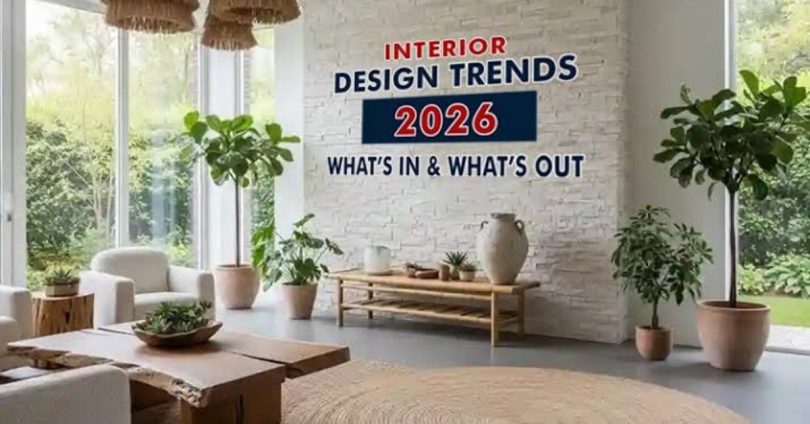
Overview of Interior Design Trends in 2026
Interior design in 2026 is centered around creating homes that are comfortable, functional, sustainable, and highly personalized. Rather than following rigid design rules, homeowners are embracing flexible spaces and meaningful décor choices that enhance daily living. Modern interiors are becoming more human-centered, balancing aesthetics with practicality and well-being.
Key Shifts in Modern Home Decor
The design landscape continues to evolve as people seek homes that support changing lifestyles and personal needs.
From Minimalism to Warmth
While clean and uncluttered spaces remain popular, modern interiors now incorporate more warmth through:
- Natural materials
- Soft textures
- Earth-inspired color palettes
- Comfortable furnishings
Function Over Excess
Homeowners are prioritizing purposeful design rather than decorative clutter.
Examples Include:
- Multi-functional furniture
- Smart storage solutions
- Flexible room layouts
- Practical decorative elements
Wellness-Focused Spaces
Interior design increasingly supports physical and emotional well-being through thoughtful design choices.
Focus on Comfort and Functionality
Comfort and usability are major priorities in 2026 home design.
Comfortable Living Environments
Modern homes emphasize relaxation and everyday convenience.
Popular Features:
- Deep, comfortable seating
- Layered textiles and soft fabrics
- Cozy lighting solutions
- Open and breathable layouts
Functional Design Choices
Every element is expected to serve a purpose while contributing to the overall aesthetic.
Examples:
- Hidden storage furniture
- Modular seating systems
- Flexible workspaces
- Space-saving layouts
Adaptable Rooms
Many rooms now serve multiple functions throughout the day, supporting modern lifestyles and changing household needs.
Sustainability and Smart Living
Environmental awareness and technological innovation continue to shape modern interiors.
Sustainable Design Trends
Homeowners are choosing materials and products that reduce environmental impact.
Popular Sustainable Choices:
- Reclaimed wood furniture
- Natural textiles
- Energy-efficient lighting
- Durable, long-lasting materials
- Eco-friendly finishes and paints
Smart Home Integration
Technology is becoming more seamlessly incorporated into interior design.
Examples Include:
- Smart lighting systems
- Automated climate control
- Voice-activated devices
- Smart security solutions
- Energy-monitoring technology
Benefits of Smart and Sustainable Design
- Improved energy efficiency
- Lower long-term costs
- Enhanced convenience
- More environmentally responsible living
Personalization in Modern Interiors
One of the strongest trends in 2026 is creating homes that reflect individual personality and lifestyle.
Moving Beyond Generic Design
Homeowners are moving away from perfectly styled showroom aesthetics in favor of spaces that feel authentic and personal.
Ways to Personalize a Home
- Display meaningful artwork
- Incorporate family photographs
- Showcase travel souvenirs
- Use custom furniture pieces
- Highlight personal collections
Mixing Styles Thoughtfully
Rather than adhering to a single design style, many homeowners combine elements from different aesthetics to create unique interiors.
Examples:
- Modern and rustic combinations
- Scandinavian and bohemian influences
- Minimalist spaces with vintage accents
Why Personalization Matters
Personalized spaces create stronger emotional connections, making homes feel more comfortable, welcoming, and reflective of the people who live in them.
Final Thoughts
Interior design trends in 2026 emphasize creating homes that support modern living through comfort, functionality, sustainability, and personal expression. By embracing these evolving trends, homeowners can design spaces that are not only stylish but also adaptable, meaningful, and aligned with their everyday lifestyles.
Warm Minimalism: The Leading Trend
Warm minimalism has emerged as one of the most influential interior design trends in 2026. It combines the clean, uncluttered principles of traditional minimalism with inviting textures, natural materials, and comfortable living elements. The result is a home that feels calm, sophisticated, and welcoming rather than stark or overly simplified.
What Is Warm Minimalism?
Warm minimalism is a design style that focuses on simplicity without sacrificing comfort. It embraces a “less but better” approach, where every item has a purpose while contributing to a cozy and harmonious atmosphere.
Core Philosophy
- Prioritize quality over quantity
- Reduce unnecessary clutter
- Create spaces that feel calm and functional
- Incorporate warmth through materials and textures
- Focus on intentional design choices
Why It Is Popular
Modern homeowners want interiors that are both visually clean and emotionally comforting. Warm minimalism achieves this balance by combining simplicity with a sense of lived-in comfort.
Key Design Elements
Warm minimalism relies on a few essential design components that work together to create a peaceful and inviting environment.
Soft Neutral Colors
Color is the foundation of warm minimalist interiors. Instead of stark whites and cold grays, this trend favors softer, warmer tones.
Popular Neutral Colors
- Warm white
- Cream
- Beige
- Taupe
- Soft greige
- Sand tones
Benefits of Neutral Palettes
- Create a calming atmosphere
- Make rooms feel brighter and larger
- Provide flexibility for decorating
- Promote visual harmony throughout the home
How to Use Neutral Colors
- Use lighter shades on walls
- Layer different neutral tones for depth
- Add subtle contrast through darker accents
- Maintain consistency across connected spaces
Natural Materials
Natural materials bring authenticity, warmth, and texture into minimalist interiors.
Common Materials Used
- Wood
- Stone
- Clay
- Linen
- Cotton
- Wool
Benefits of Natural Materials
- Create a stronger connection to nature
- Add warmth to simple spaces
- Improve visual depth and texture
- Offer timeless design appeal
Best Applications
- Wooden furniture and flooring
- Stone countertops and accents
- Linen curtains and bedding
- Handmade ceramic décor
Cozy Textures
Texture is what transforms minimal interiors from simple to inviting.
Popular Texture Choices
- Chunky knit throws
- Linen fabrics
- Woven baskets
- Wool rugs
- Textured cushions
- Natural fiber accessories
Why Texture Matters
Texture introduces visual interest without adding clutter. It helps create a comfortable and welcoming atmosphere while maintaining a clean aesthetic.
Layering Textures Effectively
- Combine soft and rough surfaces
- Mix woven and smooth materials
- Use textiles to add warmth
- Avoid excessive decorative accessories
Final Thoughts
Warm minimalism represents the evolution of modern interior design by blending simplicity with comfort. Through soft neutral colors, natural materials, and cozy textures, this trend creates homes that feel peaceful, functional, and inviting. It is an ideal style for homeowners seeking a timeless design that supports both relaxation and everyday living.
Earthy Color Palettes
Earthy color palettes continue to dominate interior design trends in 2026, reflecting a growing preference for natural, calming, and grounded living spaces. These tones are inspired by nature—soil, stone, sand, and vegetation—and are widely used to create warm and inviting interiors.
Trending Colors for 2026
Earthy palettes are soft, muted, and versatile, making them suitable for a wide range of interior styles, from warm minimalism to modern rustic design.
Terracotta
Terracotta remains one of the most popular earthy tones in 2026 due to its warm and organic character.
Key Characteristics
- Rich reddish-brown hue
- Warm and inviting feel
- Strong connection to natural clay and pottery
How It Is Used in Interiors
- Accent walls for warmth and depth
- Decorative ceramics and pottery
- Upholstery and cushions
- Rugs and textile accents
Design Impact
Terracotta adds personality and warmth without overwhelming a space, making it ideal for both modern and traditional interiors.
Olive Green
Olive green is a muted, nature-inspired shade that brings calmness and balance to interior spaces.
Key Characteristics
- Soft and earthy green tone
- Subtle and sophisticated appearance
- Strong connection to nature and foliage
How It Is Used in Interiors
- Kitchen cabinetry and furniture
- Upholstered seating pieces
- Indoor plant pairings
- Decorative accents and wall paint
Design Impact
Olive green creates a soothing environment and pairs well with both warm neutrals and natural wood finishes.
Sand Beige
Sand beige is a foundational neutral that supports a wide range of design combinations.
Key Characteristics
- Light, warm neutral tone
- Soft and versatile base color
- Enhances brightness in interiors
How It Is Used in Interiors
- Wall colors and flooring
- Large furniture pieces like sofas
- Curtains and soft furnishings
- Background color for layered palettes
Design Impact
Sand beige provides a calm and balanced backdrop, allowing other earthy tones to stand out naturally.
Warm Brown
Warm brown tones add depth, stability, and richness to interior spaces.
Key Characteristics
- Deep, natural wood-inspired hue
- Strong grounding effect
- Timeless and versatile appearance
How It Is Used in Interiors
- Wooden furniture and flooring
- Leather seating and accents
- Structural design elements
- Decorative accessories
Design Impact
Warm brown enhances contrast within earthy palettes and adds a sense of stability and sophistication.
Final Thoughts
Earthy color palettes in 2026 reflect a continued shift toward natural, calming, and sustainable interior design. By combining terracotta, olive green, sand beige, and warm brown, homeowners can create balanced spaces that feel grounded, harmonious, and timeless while maintaining a modern aesthetic.
Sustainable and Eco-Friendly Decor
Sustainable and eco-friendly decor is one of the most important interior design movements in 2026. It focuses on creating beautiful living spaces while reducing environmental impact, using responsible materials, and promoting long-term durability. This approach blends style with environmental awareness, making homes healthier and more meaningful.
Why Sustainability Matters
Sustainability in interior design goes beyond aesthetics. It reflects a shift in how people think about consumption, waste, and long-term living quality.
Environmental Responsibility
- Reduces waste and overconsumption
- Encourages use of renewable resources
- Lowers environmental footprint of home design
Healthier Living Spaces
- Reduces exposure to harmful chemicals
- Improves indoor air quality
- Promotes natural and non-toxic materials
Long-Term Value
- Durable materials last longer and reduce replacement needs
- Timeless designs reduce the need for frequent updates
- Supports cost-effective home ownership over time
Eco-Friendly Materials
Sustainable interiors rely heavily on natural, renewable, and responsibly sourced materials. These materials are both functional and aesthetically appealing.
Reclaimed Wood
Reclaimed wood is one of the most popular sustainable materials in modern interiors.
Key Characteristics
- Repurposed from old buildings or furniture
- Unique texture and natural imperfections
- Rich, aged appearance
Common Uses
- Flooring and wall paneling
- Furniture such as tables and shelves
- Decorative beams and accents
Design Benefits
Reclaimed wood adds character and history to a space while reducing the need for newly harvested timber.
You may also like to read these posts:
Home Inspiration Ideas for Beginners: Simple Ways to Transform Your Space
Simple and Creative Home Inspiration Tips for Modern Living
Bamboo
Bamboo is a fast-growing, highly renewable material widely used in eco-friendly design.
Key Characteristics
- Rapid growth rate
- Lightweight yet strong
- Naturally modern appearance
Common Uses
- Flooring and blinds
- Furniture frames
- Kitchenware and accessories
Design Benefits
Bamboo offers a clean, modern look while being one of the most sustainable natural resources available.
Organic Textiles
Organic textiles are made from natural fibers grown without harmful chemicals or pesticides.
Key Characteristics
- Soft and breathable materials
- Chemical-free production process
- Natural and comfortable feel
Common Types
- Organic cotton
- Linen
- Wool
- Hemp fabrics
Common Uses
- Bedding and bed linens
- Curtains and drapery
- Cushions and upholstery
- Rugs and throws
Design Benefits
Organic textiles improve indoor comfort and support healthier living environments while maintaining a soft, natural aesthetic.
Final Thoughts
Sustainable and eco-friendly decor is shaping the future of interior design by combining beauty with responsibility. By using materials like reclaimed wood, bamboo, and organic textiles, homeowners can create stylish, comfortable, and environmentally conscious spaces that support both modern living and long-term sustainability.
Multifunctional Furniture Solutions
Multifunctional furniture has become a defining feature of modern interior design in 2026. As homes become smaller and lifestyles more flexible, people increasingly need furniture that serves multiple purposes without compromising comfort or style. This trend focuses on efficiency, adaptability, and smart use of space.
Growing Demand for Flexible Spaces
The demand for multifunctional furniture is closely tied to changes in how people live
Faqs:
What are the top modern decor trends in 2026?
The top modern decor trends in 2026 include warm minimalism, earthy color palettes, sustainable materials, multifunctional furniture, statement lighting, curved furniture, and smart home integration.
Is minimalism still popular in 2026?
Yes, minimalism is still popular, but it has evolved into “warm minimalism,” which focuses on simple designs combined with cozy textures, natural materials, and warm neutral tones.
What colors are trending in modern home decor for 2026?
Earthy and nature-inspired colors are trending, such as terracotta, olive green, beige, sand tones, warm browns, and soft clay shades.
How can I update my home decor on a budget?
You can update your home on a budget by rearranging furniture, adding indoor plants, using DIY decor, updating cushions and rugs, and focusing on small lighting improvements.
Can I mix different modern decor trends in one home?
Yes, you can mix trends as long as you maintain balance. Stick to a consistent color palette and avoid overcrowding to create a cohesive and stylish interior.
Conclusion
Modern decor trends in 2026 are all about balance—combining style, comfort, functionality, and sustainability in a way that enhances everyday living. From warm minimalism and earthy color palettes to smart home integration and natural materials, these trends help create spaces that feel both modern and welcoming.
The key is not to follow every trend at once, but to choose the ones that fit your lifestyle and personality. Even small updates like lighting changes, new textures, or a touch of greenery can refresh your home significantly.