
Introduction
Home décor is always evolving, shaped by lifestyle changes, technology, and shifting design preferences. Understanding home décor trends helps you create spaces that feel modern, functional, and visually appealing while still reflecting your personal taste.
What Are Home Decor Trends?
Home décor trends are popular design ideas, styles, materials, and color directions that gain widespread attention over time. They reflect how people want their homes to look and function in a specific era.
Common Examples of Trends
- Neutral and earthy color palettes
- Minimalist and clutter-free layouts
- Natural materials like wood, stone, and linen
- Sustainable and eco-friendly design choices
- Smart home technology integration
- Multi-functional furniture solutions
Nature of Trends
Trends are not permanent rules. They evolve over time and are meant to inspire, not restrict, how you design your home.
Why Trends Matter in Interior Design
Home décor trends help homeowners stay updated with modern aesthetics and discover new ways to improve comfort, style, and functionality.
Key Reasons Trends Are Important
- Introduce fresh design inspiration
- Reflect current lifestyle needs
- Improve home functionality and usability
- Provide ideas for upgrades and renovations
- Help interiors feel modern and relevant
Balancing Trends with Personal Style
While trends are useful, the best interiors combine current ideas with individual preferences to create a unique and lasting design.
How Trends Influence Modern Living Spaces
Design trends have a direct impact on how homes are planned, furnished, and decorated.
Impact on Interior Design
- Encourage open-plan and flexible layouts
- Promote natural light and airy spaces
- Favor simple, functional furniture designs
- Influence color schemes and material choices
Impact on Daily Living
- Support more organized and simplified lifestyles
- Encourage multi-purpose rooms (work + living)
- Improve comfort and efficiency in small spaces
- Promote wellness-focused and calming environments
What This Guide Covers
This guide explores key home décor trends and how they can be applied in real homes to create stylish, practical, and comfortable living spaces.
Topics Included in This Guide
- Current modern interior design trends
- Popular color palettes and combinations
- Furniture and layout innovations
- Natural and sustainable materials
- Lighting and smart home trends
- Seasonal and flexible decorating ideas
- Budget-friendly trend adaptations
Final Thoughts
Home décor trends are a valuable source of inspiration for improving and refreshing your living space. By understanding these trends and adapting them to your personal style, you can create a home that feels both contemporary and uniquely yours.
Understanding Modern Home Decor Trends
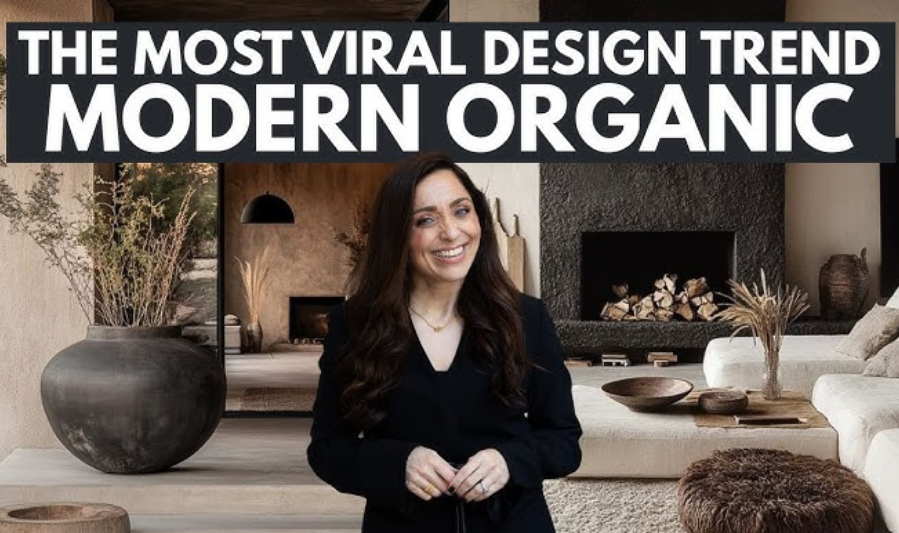
Modern home décor trends reflect how people want to live today—more simply, more functionally, and with greater attention to comfort and personal expression. While trends can inspire exciting updates, the key is knowing how to use them thoughtfully so your home remains balanced and long-lasting.
Difference Between Trends and Timeless Design
Trends and timeless design are often confused, but they serve different purposes in interior styling.
What Are Trends?
Trends are temporary design directions that gain popularity for a certain period of time.
Examples:
- Specific color palettes (like all-grey interiors or earthy neutrals)
- Furniture styles that rise in popularity
- Decorative accents that reflect current fashion
- Seasonal design ideas
What Is Timeless Design?
Timeless design focuses on long-lasting style that does not feel outdated over time.
Examples:
- Neutral color foundations
- Simple, clean furniture lines
- Natural materials like wood and stone
- Balanced, uncluttered layouts
Key Difference
- Trends change frequently
- Timeless design remains stable and enduring
A well-designed home often blends both for flexibility and longevity.
How Trends Evolve Over Time
Home décor trends do not appear randomly—they evolve based on cultural, economic, and lifestyle changes.
Factors That Influence Trends
- Changes in lifestyle (remote work, small-space living)
- Technological advancements (smart homes, lighting systems)
- Environmental awareness (sustainable materials)
- Global design influences and social media inspiration
Example of Evolution
- Heavy, ornate furniture → minimal and functional furniture
- Bright, bold colors → calm, natural tones
- Large, formal rooms → flexible, multi-purpose spaces
Trend Cycle
Most trends follow a cycle:
- Introduction
- Popularity growth
- Peak adoption
- Decline or transformation
How to Use Trends Without Overdecorating
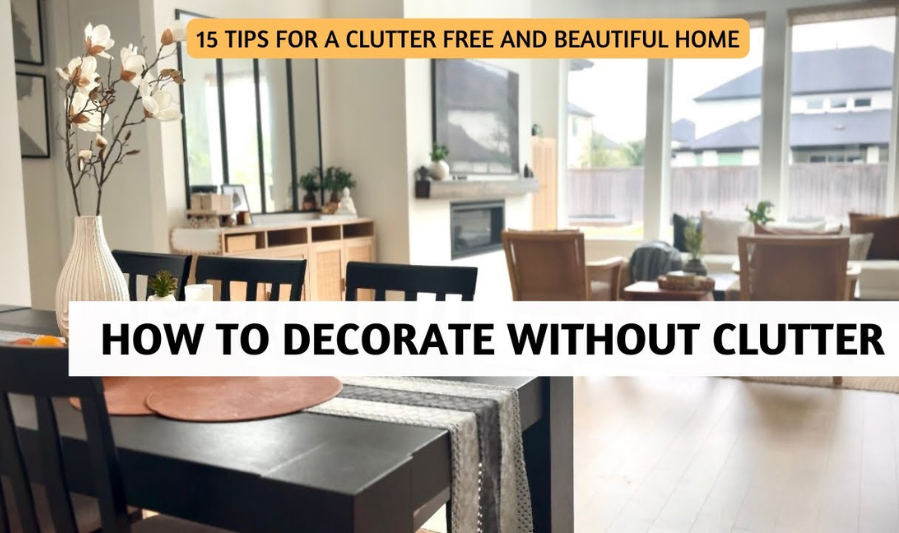
One of the biggest challenges in modern interiors is avoiding excessive decoration while still staying stylish.
Start with a Neutral Base
Use neutral colors and simple furniture as a foundation.
Why It Works:
- Makes trends easier to layer in
- Prevents visual clutter
- Keeps the space adaptable over time
Add Trends in Small Elements
Instead of changing everything, introduce trends through accents.
Examples:
- Cushions and throws
- Rugs and curtains
- Artwork and wall prints
- Decorative accessories
- Lighting fixtures
Follow the “Less is More” Approach
Avoid using too many trending elements at once. Focus on one or two trends per room.
Balance Bold and Simple
If one element is bold (like a patterned wall), keep other areas simple and neutral.
Importance of Personal Style in Trends
While trends provide inspiration, personal style ensures your home feels authentic and comfortable.
Why Personal Style Matters
- Creates emotional connection to your space
- Prevents your home from feeling generic
- Ensures long-term satisfaction
- Helps reflect your personality and lifestyle
Blending Trends with Personal Style
- Choose trends that match your taste
- Adapt trends instead of copying them exactly
- Combine modern ideas with personal décor items
- Keep meaningful objects as part of your design
Building a Unique Home Identity
Your home should feel like a reflection of you, not just a collection of popular ideas.
Final Thoughts
Understanding modern home décor trends helps you make smarter design decisions. By distinguishing between trends and timeless design, using trends in moderation, and prioritizing personal style, you can create a home that feels both contemporary and uniquely yours without becoming overwhelming or quickly outdated.
Warm Minimalism Trend
Warm minimalism is a modern interior design trend that blends the simplicity of minimalism with the comfort of warmer, more inviting elements. It focuses on creating calm, uncluttered spaces that still feel cozy, lived-in, and emotionally welcoming.
What Is Warm Minimalism?
Warm minimalism is a design approach that reduces excess while adding softness through natural materials, muted colors, and tactile textures. Unlike traditional minimalism, which can sometimes feel stark or cold, warm minimalism prioritizes comfort alongside simplicity.
Core Idea
- Keep interiors simple and functional
- Add warmth through natural textures and soft tones
- Avoid visual clutter while maintaining comfort
Design Philosophy
Warm minimalism is about balance—creating a space that feels both visually clean and emotionally inviting.
Key Features
Warm minimalism is defined by a few essential design elements that work together to create a calm and harmonious environment.
Soft Neutral Tones
Color plays a major role in setting the mood of a warm minimalist space.
Common Colors:
- Warm whites
- Beige and cream tones
- Soft taupe
- Muted greys
- Earth-inspired shades
These colors create a soothing and cohesive foundation throughout the home.
Natural Textures
Natural materials add depth and warmth to otherwise simple interiors.
Popular Materials:
- Light or medium-toned wood
- Linen and cotton fabrics
- Wool and woven textiles
- Stone and clay accents
These textures help soften clean lines and add visual interest without clutter.
Cozy Simplicity
Warm minimalism avoids excess decoration while still maintaining comfort and personality.
Key Principles:
- Use fewer but meaningful decorative items
- Focus on comfort-driven design
- Keep surfaces clean but not empty
- Prioritize quality over quantity
Furniture and Layout Ideas
Furniture in warm minimalist interiors is simple in form but rich in comfort and function.
Furniture Characteristics
- Soft, rounded edges
- Neutral upholstery
- Low-profile silhouettes
- Natural wood finishes
- Multi-functional designs
Layout Principles
- Open and breathable room layouts
- Carefully selected furniture pieces
- Balanced spacing between items
- Clear but cozy visual flow
Styling Tips
- Use a neutral sofa with textured cushions
- Pair wooden furniture with soft fabrics
- Avoid overcrowding rooms with unnecessary pieces
- Add warmth through layered textiles
Best Rooms for This Style
Warm minimalism works well across the entire home, especially in spaces where comfort and relaxation are important.
Living Room
- Neutral sofas with layered throws
- Soft rugs with natural textures
- Minimal but cozy décor
- Warm ambient lighting
Bedroom
- Simple bedding in warm tones
- Wooden bed frames or accents
- Soft bedside lighting
- Minimal yet comforting décor
Kitchen
- Clean cabinetry with warm finishes
- Wooden or stone countertops
- Open but organized shelving
- Subtle decorative elements
Bathroom
- Light neutral tiles
- Wooden or matte fixtures
- Soft lighting for relaxation
- Simple, clutter-free surfaces
Final Thoughts
Warm minimalism offers a balanced approach to interior design by combining simplicity with comfort. By using soft neutral tones, natural textures, and thoughtful furniture choices, you can create a home that feels calm, stylish, and deeply inviting without unnecessary clutter or complexity.
Earthy and Natural Color Trends
Earthy and natural color trends focus on tones inspired by nature, such as soil, stone, plants, and sunlight. These colors create interiors that feel grounded, calming, and connected to the natural world, making them a popular choice in modern home design.
Popular Earth-Inspired Colors
Earth-inspired palettes are warm, muted, and highly versatile. They work well in both minimal and richly styled interiors.
Terracotta
Terracotta is a warm, reddish-brown tone inspired by baked clay.
Key Characteristics:
- Warm and inviting
- Adds depth and richness
- Works well as an accent or feature color
Best Uses:
- Accent walls
- Ceramic décor
- Rugs and textiles
Olive Green
Olive green is a soft, muted green that reflects natural foliage.
Key Characteristics:
- Calm and organic
- Subtle but distinctive
- Blends well with neutrals
Best Uses:
- Upholstery
- Kitchen cabinets
- Indoor plants pairing
Beige
Beige is a classic neutral that forms the foundation of many earthy interiors.
Key Characteristics:
- Soft and versatile
- Brightens spaces without harshness
- Easy to combine with other tones
Best Uses:
- Walls and flooring
- Sofas and large furniture
- Background palette color
Clay Tones
Clay tones include soft browns, dusty oranges, and muted rust shades.
Key Characteristics:
- Warm and grounding
- Adds subtle color variation
- Feels natural and organic
Best Uses:
- Decorative accessories
- Textiles and cushions
- Accent décor pieces
How to Combine Earthy Colors
Earthy tones work best when layered thoughtfully to create balance and harmony.
Start with a Neutral Base
Use beige, off-white, or soft gray as the foundation for your space.
Add One Dominant Earth Tone
Choose a primary earthy shade such as olive green or terracotta to anchor the design.
Use Accent Colors Sparingly
Introduce clay tones or deeper browns in small amounts to avoid overwhelming the space.
Balance Warm and Cool Elements
- Pair warm terracotta with cool olive green
- Combine beige with natural wood textures
- Use black or charcoal accents for contrast
Maintain Texture Variety
Mix materials like wood, linen, ceramic, and stone to enhance depth and interest.
Psychological Impact of Natural Colors
Earthy colors have a strong influence on mood and emotional well-being because they are closely connected to nature.
Feelings of Calm and Stability
Natural tones help create a sense of grounding and emotional balance.
Reduced Visual Stress
Soft, muted colors are easier on the eyes and help reduce overstimulation.
Increased Comfort and Warmth
Earthy palettes make spaces feel more welcoming and cozy.
Connection to Nature
These colors bring an outdoor-inspired feeling indoors, promoting relaxation and well-being.
Final Thoughts
Earthy and natural color trends offer a timeless way to design warm, balanced, and inviting interiors. By using tones like terracotta, olive green, beige, and clay shades thoughtfully, you can create a home that feels calm, grounded, and deeply connected to nature while remaining stylish and modern.
Natural Materials Trend
The natural materials trend focuses on using organic, sustainable, and environmentally friendly elements in interior design. It emphasizes authenticity, texture, and a connection to nature, creating spaces that feel warm, grounded, and timeless.
Rise of Eco-Friendly Interiors
Eco-friendly interiors have become increasingly popular due to growing awareness of sustainability and environmental responsibility. Homeowners are now choosing materials and designs that reduce environmental impact while maintaining style and comfort.
Why This Trend Is Growing
- Increased focus on sustainability and climate awareness
- Desire for healthier indoor environments
- Preference for long-lasting, durable materials
- Shift toward minimal and conscious consumption
- Influence of nature-inspired design movements
Core Design Philosophy
Eco-friendly interiors aim to balance beauty with responsibility, ensuring homes are both stylish and environmentally conscious.
You may also like to read these posts:
Home Inspiration Ideas for Beginners: Simple Ways to Transform Your Space
Simple and Creative Home Inspiration Tips for Modern Living
Common Materials Used
Natural materials bring texture, warmth, and authenticity into interior spaces. They are often chosen for their durability, aesthetic appeal, and sustainability.
Wood
Wood is one of the most widely used natural materials in interior design.
Key Characteristics:
- Warm and versatile
- Available in many tones and finishes
- Durable and long-lasting
Common Uses:
- Flooring and furniture
- Wall paneling
- Ceiling beams
- Decorative accents
Stone
Stone adds a sense of strength and timelessness to interiors.
Key Characteristics:
- Durable and natural
- Unique patterns and textures
- Cool and grounding aesthetic
Common Uses:
- Countertops
- Flooring
- Feature walls
- Bathroom surfaces
Rattan
Rattan is a lightweight, woven natural material often used in furniture and décor.
Key Characteristics:
- Organic and textured appearance
- Lightweight and flexible
- Adds a relaxed, tropical feel
Common Uses:
- Chairs and sofas
- Lampshades
- Storage baskets
- Decorative accessories
Linen
Linen is a natural fabric known for its softness and breathability.
Key Characteristics:
- Light and airy texture
- Comfortable and durable
- Softens over time
Common Uses:
- Curtains
- Bedding
- Cushion covers
- Upholstery
Sustainable Design Benefits
Using natural materials in home design offers both environmental and lifestyle advantages.
Environmental Benefits
- Reduces reliance on synthetic materials
- Encourages renewable and biodegradable resources
- Supports eco-friendly production practices
- Lowers environmental footprint
Health and Comfort Benefits
- Improves indoor air quality when using natural finishes
- Reduces exposure to harsh chemicals
- Creates a more comfortable and breathable environment
Aesthetic Benefits
- Adds warmth and texture to interiors
- Creates timeless and elegant design appeal
- Works well with multiple interior styles
- Enhances visual depth and authenticity
Final Thoughts
The natural materials trend reflects a growing desire for sustainable, comfortable, and meaningful living spaces. By incorporating wood, stone, rattan, and linen into home interiors, you can create a balanced environment that is both visually appealing and environmentally responsible, supporting a healthier and more mindful way of living.
Faqs:
What is the biggest home decor trend in 2026?
One of the biggest home decor trends in 2026 is warm minimalism, which combines clean, simple designs with cozy textures, natural materials, and soft neutral colors to create comfortable living spaces.
How can I incorporate the latest home decor trends into my home?
You can start by adding trendy elements such as earthy color palettes, indoor plants, statement lighting, natural materials, and multifunctional furniture without completely redesigning your home.
Are natural materials still popular in home decor?
Yes, natural materials like wood, stone, linen, rattan, and bamboo remain highly popular because they bring warmth, texture, and a sustainable feel to modern interiors.
What colors are trending in home decor?
Earth-inspired colors such as beige, terracotta, olive green, warm brown, and soft clay tones are among the most popular home decor color trends, creating a calming and welcoming atmosphere.
How do I keep my home trendy while maintaining a timeless look?
Focus on timeless furniture and neutral color schemes, then incorporate trends through smaller decor items like cushions, artwork, lighting, and accessories that can be updated easily over time.
Conclusion
The latest home decor trends focus on creating spaces that are comfortable, functional, and uniquely personal. From warm minimalism and earthy color palettes to natural materials, smart home features, and statement lighting, these trends help transform ordinary rooms into stylish and inviting living spaces.
The best approach is to use trends as inspiration rather than strict rules. Choose the ideas that match your lifestyle, budget, and personal taste, and incorporate them gradually into your home. By combining modern trends with timeless design elements, you can create a beautiful space that remains both fashionable and practical for years to come.