
Introduction
Interior décor in 2026 is no longer just about making a home look attractive—it is about creating spaces that support comfort, functionality, sustainability, and personal well-being. As lifestyles continue to evolve, interior design trends are shaping how homes are planned, furnished, and experienced on a daily basis.
What Is Interior Decor?
Interior décor refers to the art and practice of enhancing the interior of a space to make it more aesthetically pleasing, functional, and comfortable. It involves selecting colors, furniture, lighting, textures, and decorative elements that work together to create a cohesive environment.
Key Elements of Interior Decor
- Color schemes and palettes
- Furniture selection and arrangement
- Lighting design and placement
- Textures and materials
- Decorative accessories and artwork
Purpose of Interior Decor
The main goal of interior décor is to create spaces that are both visually appealing and practical for everyday living.
Why Interior Design Trends Matter in 2026
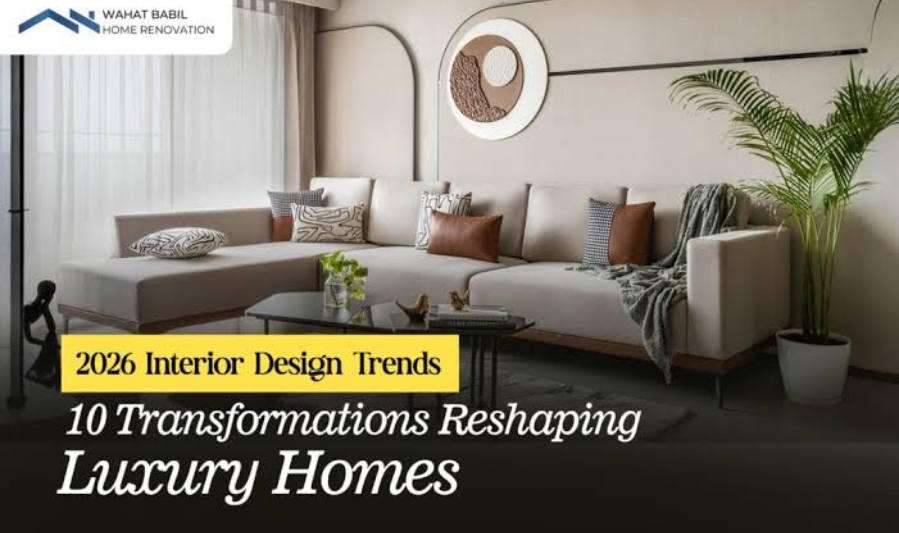
Interior design trends in 2026 reflect changing lifestyles, technological advancements, and growing awareness of comfort and sustainability.
Key Reasons Trends Are Important
- Provide fresh design inspiration
- Reflect modern lifestyle needs
- Improve home functionality and comfort
- Introduce sustainable and eco-friendly solutions
- Help homeowners make informed design choices
Evolving Lifestyle Needs
Modern homes now serve multiple purposes, including:
- Living and relaxation spaces
- Work-from-home environments
- Entertainment areas
- Wellness and self-care zones
How Trends Influence Modern Homes
Design trends play a major role in shaping how homes look and function in everyday life.
Impact on Home Design
- Encourage open and flexible layouts
- Promote use of natural materials
- Support minimal and clutter-free living
- Influence furniture styles and arrangements
Impact on Daily Living
- Improve comfort and usability
- Enhance organization and efficiency
- Support mental well-being through calming environments
- Make spaces more adaptable to different needs
What This Guide Will Help You Learn

This guide explores the most important interior décor trends of 2026 and how they can be applied in real homes to create stylish and functional living spaces.
Topics Covered
- Modern interior design trends
- Popular color palettes and combinations
- Furniture and layout ideas
- Lighting and décor techniques
- Sustainable and eco-friendly design
- Bedroom and living room styling trends
- Budget-friendly decorating ideas
Final Thoughts
Interior décor trends in 2026 focus on creating homes that are balanced, functional, and deeply personal. By understanding these trends, you can design spaces that not only look beautiful but also enhance your everyday living experience.
Overview of Interior Decor Trends
Interior décor in 2026 reflects a major shift in how people design and experience their homes. Instead of focusing only on visual appeal, modern interiors now prioritize comfort, functionality, sustainability, and personal expression. Homes are becoming more adaptive, wellness-focused, and deeply connected to the lifestyles of the people living in them.
Evolution of Interior Design Styles
Interior design has evolved significantly over the years, moving through different aesthetic phases that reflect cultural and lifestyle changes.
From Ornate to Minimal
Traditional interiors once emphasized heavy decoration, intricate detailing, and formal arrangements. Over time, this shifted toward:
- Simpler layouts
- Cleaner lines
- Minimal clutter
- Functional furniture
From Minimal to Warm and Livable
Modern design is now moving beyond strict minimalism into more comfortable and inviting spaces.
Key changes include:
- Softer textures replacing stark surfaces
- Warmer color palettes replacing cold neutrals
- More personal and meaningful décor elements
- Greater emphasis on livability
Blending Styles
Instead of following one strict style, homeowners are now combining multiple influences such as:
- Modern + rustic
- Minimalist + bohemian
- Scandinavian + earthy design
Shift Toward Comfort and Functionality
Comfort and practicality are now central to interior design decisions.
Comfort-First Design
Modern homes are designed to feel relaxing and welcoming.
Key features:
- Soft seating and layered textiles
- Cozy lighting schemes
- Relaxation-focused layouts
- Calming color palettes
Functional Living Spaces
Every design element is expected to serve a purpose.
Examples:
- Multifunctional furniture
- Built-in storage solutions
- Flexible room layouts
- Space-efficient designs
Everyday Usability
Homes are no longer designed just for appearance but for daily ease of living, supporting activities like working, relaxing, and entertaining.
Importance of Sustainability and Technology
Sustainability and technology are two of the most influential forces shaping modern interior décor.
Sustainable Design Practices
Eco-conscious living is a major priority in 2026.
Common sustainable choices:
- Reclaimed wood furniture
- Organic textiles
- Natural materials like stone and bamboo
- Energy-efficient lighting
- Long-lasting, durable designs
Benefits of Sustainability
- Reduced environmental impact
- Healthier indoor environments
- Long-term cost savings
- Timeless aesthetic appeal
Smart Home Technology
Technology is becoming seamlessly integrated into interior design.
Examples include:
- Smart lighting systems
- Automated climate control
- Voice-activated devices
- Energy management systems
Impact on Modern Homes
Technology improves convenience, efficiency, and comfort while supporting more sustainable living.
Personalization in Modern Homes
One of the strongest trends in 2026 is the move toward highly personalized interiors.
Beyond Generic Design
Homeowners are increasingly rejecting uniform, showroom-like spaces in favor of homes that reflect their identity.
Ways to Personalize Interiors
- Displaying artwork and photography
- Incorporating meaningful objects and souvenirs
- Mixing different design styles
- Using custom furniture and décor pieces
Emotional Connection to Space
Personalized interiors create stronger emotional bonds between people and their homes, making spaces feel more comfortable, lived-in, and unique.
Final Thoughts
Interior décor trends in 2026 highlight a clear shift toward comfort, sustainability, functionality, and personalization. By understanding these evolving influences, homeowners can create spaces that are not only stylish but also meaningful, practical, and aligned with modern living needs.
Warm Minimalism Trend
Warm minimalism is one of the most influential interior décor trends in 2026. It combines the clean, uncluttered principles of minimal design with the comfort, softness, and warmth needed for everyday living. The result is a home that feels calm, functional, and inviting rather than stark or overly simplistic.
What Is Warm Minimalism?
Warm minimalism is a design approach that focuses on simplicity with intention. Instead of filling spaces with décor, it emphasizes carefully chosen elements that serve both functional and aesthetic purposes.
Core Idea
The philosophy can be summarized as: “less, but better—with warmth.”
Why It Works in Modern Homes
- Creates a calm and stress-free environment
- Reduces visual clutter
- Enhances focus and relaxation
- Supports practical, everyday living
- Makes spaces feel more open and breathable
Key Features
Warm minimalism is defined by a balance of simplicity and comfort. Each element is chosen carefully to maintain harmony throughout the space.
Neutral Tones
Neutral colors form the foundation of warm minimalist interiors.
Common Color Palette
- Warm white
- Beige
- Cream
- Soft taupe
- Light gray
- Sand tones
Benefits of Neutral Tones
- Create a peaceful and calming atmosphere
- Make rooms feel brighter and more spacious
- Provide a timeless and flexible design base
- Allow textures and furniture to stand out naturally
Design Approach
- Use soft neutrals for walls and large furniture
- Layer different shades for depth
- Add subtle contrast with darker accents
Soft Textures
Texture plays a key role in preventing minimal spaces from feeling cold or empty.
Common Materials
- Linen
- Cotton
- Wool
- Bouclé
- Natural fiber rugs
- Knitted throws
Why Texture Matters
Soft textures add warmth and comfort while maintaining a clean visual appearance.
Layering Techniques
- Combine smooth and woven fabrics
- Mix lightweight and heavier materials
- Use textiles sparingly but intentionally
- Focus on quality over quantity
Simple Layouts
Simple layouts ensure that spaces remain functional, uncluttered, and easy to navigate.
Key Characteristics
- Open and breathable arrangements
- Minimal furniture placement
- Clear walking paths
- Balanced spacing between items
Benefits of Simple Layouts
- Improves room flow and usability
- Reduces visual noise
- Enhances relaxation and comfort
- Makes spaces easier to maintain
Furniture Guidelines
- Choose functional, streamlined pieces
- Avoid oversized or unnecessary items
- Focus on multi-purpose furniture when possible
Final Thoughts
Warm minimalism is redefining modern interior design by blending simplicity with comfort. Through neutral tones, soft textures, and simple layouts, it creates spaces that feel peaceful, functional, and deeply livable—making it one of the most practical and timeless trends of 2026.
Earthy Color Palettes
Earthy color palettes are one of the defining interior décor trends of 2026. Inspired by natural elements such as soil, clay, wood, and vegetation, these colors bring warmth, calmness, and balance into modern homes. They are especially popular in living rooms and bedrooms where comfort and relaxation are priorities.
Popular Colors in 2026
Earthy tones are valued for their softness, versatility, and ability to create inviting interior spaces.
Beige
Beige remains a foundational color in modern interiors due to its neutral and calming nature.
Key Characteristics
- Soft, warm neutral tone
- Bright yet soothing appearance
- Highly versatile base color
Best Uses
- Wall paint
- Large furniture pieces (sofas, beds)
- Curtains and rugs
- Background layering color
Design Effect
Beige creates an airy, open feeling while allowing other colors and textures to stand out naturally.
Terracotta
Terracotta adds warmth, depth, and personality to interior spaces.
Key Characteristics
- Reddish-brown earthy tone
- Inspired by natural clay and ceramics
- Rich and warm visual appeal
Best Uses
- Accent walls
- Decorative cushions and throws
- Ceramic décor pieces
- Rugs and textiles
Design Effect
Terracotta introduces warmth and character, making spaces feel cozy and expressive without being overwhelming.
Olive Green
Olive green brings a calming, nature-inspired feel to interiors.
Key Characteristics
- Muted, earthy green shade
- Soft and balanced tone
- Strong connection to nature
Best Uses
- Upholstered furniture
- Wall accents
- Bedding and curtains
- Indoor plants pairing
Design Effect
Olive green promotes relaxation and harmony, making it ideal for restful living spaces.
Warm Brown
Warm brown tones add grounding and stability to interior design.
Key Characteristics
- Deep natural earthy shade
- Inspired by wood and soil tones
- Rich and comforting appearance
Best Uses
- Wooden furniture
- Flooring
- Leather accents
- Structural décor elements
Design Effect
Warm brown creates a sense of stability and warmth, helping interiors feel grounded and timeless.
Final Thoughts
Earthy color palettes are shaping the look and feel of modern interiors in 2026. By combining beige, terracotta, olive green, and warm brown, homeowners can create balanced, natural, and inviting spaces that feel both stylish and comforting.
Sustainable Interior Design
Sustainable interior design is one of the most important movements shaping homes in 2026. It focuses on creating beautiful, functional living spaces while reducing environmental impact. This approach emphasizes responsible material choices, long-lasting design, and healthier indoor environments.
Importance of Eco-Friendly Living
Eco-friendly design is no longer a niche preference—it has become a mainstream priority in modern homes.
Why Sustainability Matters
- Reduces environmental impact and waste
- Encourages responsible consumption habits
- Improves indoor air quality and health
- Promotes long-lasting, durable design choices
- Supports a more mindful lifestyle
Benefits for Modern Homes
Sustainable interiors help create spaces that are not only stylish but also healthier and more cost-efficient over time.
Materials Used
Eco-friendly interior design relies on natural, renewable, and responsibly sourced materials.
Reclaimed Wood
Reclaimed wood is widely used in sustainable interiors due to its durability and character.
Key Characteristics
- Reused from old buildings or furniture
- Unique textures and natural imperfections
- Rich, aged appearance
Common Uses
- Flooring
- Wall paneling
- Furniture such as tables and shelves
- Decorative beams and accents
Design Benefits
Reclaimed wood reduces deforestation while adding warmth, texture, and character to interior spaces.
Bamboo
Bamboo is a fast-growing and highly renewable material used in modern eco-friendly design.
Key Characteristics
- Rapid growth rate and renewability
- Lightweight yet strong
- Clean, modern appearance
Common Uses
- Flooring
- Furniture frames
- Window blinds
- Decorative accessories
Design Benefits
Bamboo offers a sleek, natural look while being one of the most sustainable building materials available.
You may also like to read these posts:
Home Inspiration Ideas for Beginners: Simple Ways to Transform Your Space
Simple and Creative Home Inspiration Tips for Modern Living
Organic Fabrics
Organic fabrics are made from natural fibers grown without harmful chemicals or pesticides.
Key Characteristics
- Soft and breathable materials
- Chemical-free production process
- Environmentally responsible sourcing
Common Types
- Organic cotton
- Linen
- Wool
- Hemp textiles
Common Uses
- Bedding and bed linens
- Curtains and drapes
- Cushions and upholstery
- Rugs and throws
Design Benefits
Organic fabrics improve comfort and health while supporting sustainable living practices.
Final Thoughts
Sustainable interior design is shaping the future of home décor by combining style with responsibility. By using materials like reclaimed wood, bamboo, and organic fabrics, homeowners can create interiors that are beautiful, durable, and environmentally conscious.
Multifunctional Spaces
Multifunctional spaces are one of the most important interior design trends in 2026. As homes become more compact and lifestyles more dynamic, rooms are increasingly designed to serve multiple purposes. This approach focuses on flexibility, efficiency, and smart use of space without compromising comfort or style.
Growing Need for Flexible Homes
Modern living has changed how people use their homes, increasing the demand for adaptable spaces.
Why Flexibility Matters
- Rise of remote and hybrid work lifestyles
- Smaller urban living spaces
- Need for multi-use rooms
- Preference for minimal and clutter-free homes
- Desire for cost-effective design solutions
Modern Home Reality
Today’s homes often function as:
- Living spaces
- Workspaces
- Entertainment areas
- Relaxation zones
This shift requires interiors that can easily adapt throughout the day.
Furniture Ideas for Small Spaces
Smart furniture choices are essential for creating functional and comfortable multifunctional rooms.
Best Furniture Options
- Sofa beds for seating and sleeping
- Storage ottomans for dual-purpose use
- Extendable dining tables
- Foldable desks and chairs
- Modular shelving units
Benefits
- Saves space in compact homes
- Reduces clutter
- Increases room functionality
- Allows flexible layouts
Home Office Integration
Home offices have become a core part of modern interior design.
Ways to Integrate Workspaces
- Wall-mounted foldable desks
- Compact desk corners in living rooms or bedrooms
- Built-in shelving for organization
- Multi-use furniture that blends into décor
Design Considerations
- Use ergonomic chairs for comfort
- Ensure proper lighting for productivity
- Keep work areas visually separate when possible
- Maintain a clutter-free setup
Benefits
- Efficient use of limited space
- Better work-life balance
- Seamless blending with home interiors
Space-Saving Design Solutions
Effective space-saving strategies help maximize functionality without overcrowding interiors.
Vertical Storage Solutions
- Wall-mounted shelves
- Tall storage cabinets
- Hanging organizers
Flexible Layouts
- Open-plan room arrangements
- Movable furniture setups
- Zoning with rugs and lighting
Hidden Storage Ideas
- Under-bed storage drawers
- Built-in cabinetry
- Multi-functional furniture with compartments
Smart Design Principles
- Prioritize essential furniture only
- Avoid bulky or unnecessary items
- Keep pathways open and clear
- Focus on simplicity and organization
Final Thoughts
Multifunctional spaces are redefining modern interior design by making homes more adaptable, efficient, and comfortable. By using smart furniture and space-saving strategies, homeowners can create interiors that support multiple activities while maintaining a clean and stylish environment.
Faqs:
What are the latest interior decor trends in 2026?
The latest interior decor trends in 2026 include warm minimalism, earthy color palettes, sustainable materials, multifunctional spaces, smart home integration, natural textures, and curved furniture designs.
How do I choose the right interior design style for my home?
Start by considering your lifestyle, budget, and personal taste. Look at inspiration online, create a mood board, and choose a style that feels comfortable and practical for your daily life.
Can I mix different interior decor trends together?
Yes, you can mix trends, but balance is important. Stick to a consistent color palette and choose one dominant style to keep your home cohesive and visually pleasing.
What colors are best for modern interior design?
Modern interiors often use neutral and earthy tones such as beige, cream, terracotta, olive green, and warm brown, as they create a calm and elegant atmosphere.
How can I update my home interior on a budget?
You can refresh your home on a budget by rearranging furniture, adding DIY decor, using indoor plants, updatin