
Introduction
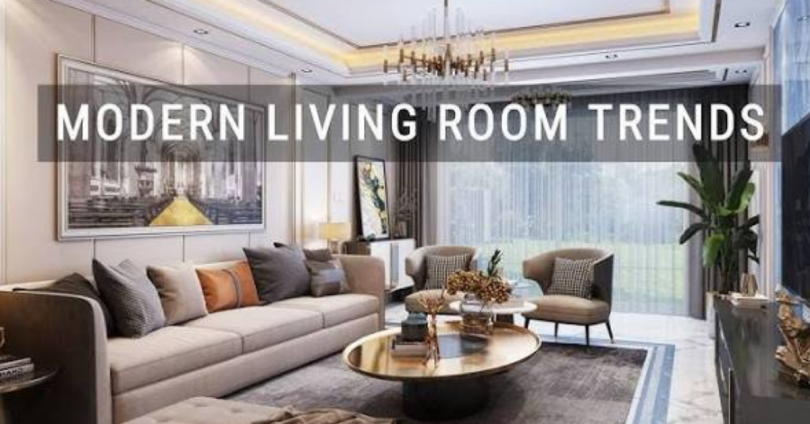
The living room is one of the most important spaces in any home. It serves as a place for relaxation, entertainment, social gatherings, and everyday family activities. As interior design trends continue to evolve, updating your living room décor can help create a space that feels modern, comfortable, and reflective of your personal style.
What Are Living Room Decor Trends?
Living room décor trends are popular design styles, furniture choices, color palettes, and decorating ideas that influence how people design and update their living spaces.
Examples of Living Room Decor Trends
- Warm minimalist interiors
- Earth-tone color palettes
- Multifunctional furniture
- Natural materials and textures
- Statement lighting fixtures
- Sustainable décor choices
Why Trends Change
Living room trends evolve based on lifestyle changes, technological advancements, and shifting preferences in comfort and aesthetics.
Why the Living Room Is the Heart of the Home
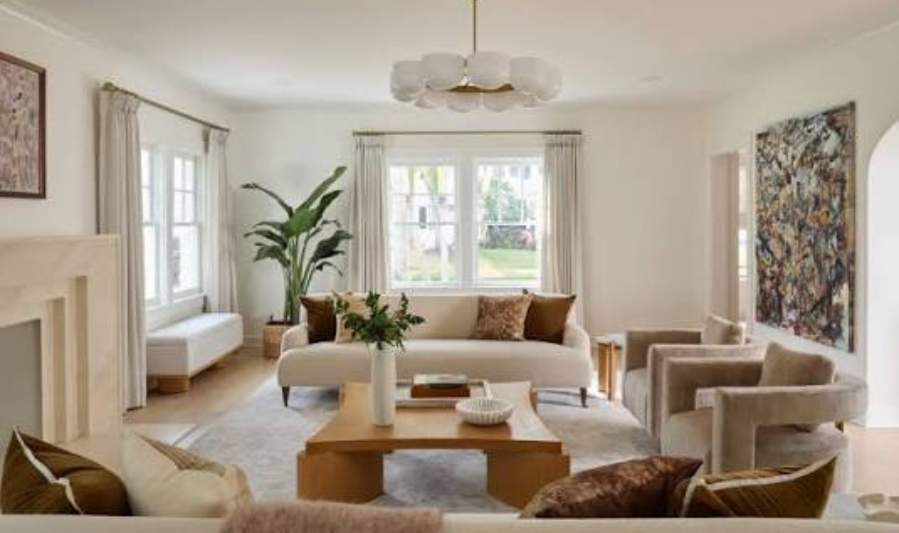
The living room often serves as the central gathering space where family members and guests spend the most time together.
A Space for Connection
Living rooms provide an environment for:
- Family conversations
- Social gatherings
- Relaxation and entertainment
- Celebrating special occasions
A Reflection of Personal Style
Because it is one of the most visible areas of a home, the living room often showcases the homeowner’s personality, design preferences, and lifestyle.
A Multifunctional Environment
Modern living rooms frequently serve multiple purposes, including:
- Entertainment center
- Home office area
- Reading nook
- Social gathering space
Benefits of Updating Your Living Room Decor
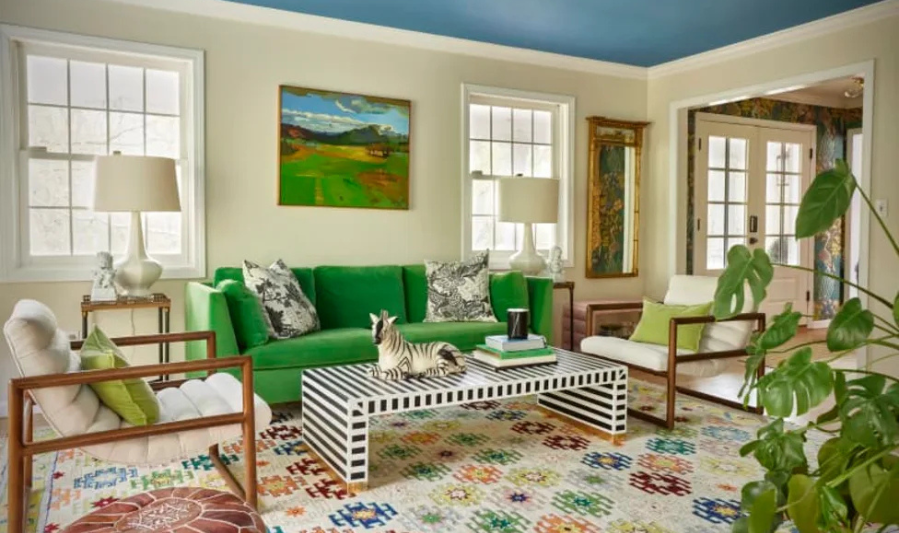
Refreshing your living room can provide both aesthetic and practical improvements.
Improved Comfort
New furniture arrangements, updated textiles, and better lighting can create a more comfortable environment.
Enhanced Visual Appeal
Modern décor updates help keep the space stylish and inviting.
Better Functionality
Updated layouts and furniture choices can improve how the room is used daily.
Increased Home Value
Well-designed living spaces can contribute positively to the overall appeal of a home.
What You’ll Learn in This Guide
This guide explores the latest living room décor trends and practical ideas for incorporating them into your home.
Topics Covered
- Modern living room design trends
- Popular color palettes
- Furniture and layout ideas
- Lighting trends and solutions
- Decorative accessories and styling
- Sustainable design concepts
- Budget-friendly update strategies
Final Thoughts
Living room décor trends offer valuable inspiration for creating a space that is both beautiful and functional. By understanding current design directions and adapting them to your personal preferences, you can transform your living room into a welcoming environment that supports comfort, style, and everyday living.
Top Living Room Decor Trends in 2026
Living room design in 2026 is centered around creating spaces that are comfortable, functional, and highly personalized. Homeowners are moving beyond purely decorative interiors and embracing designs that support everyday living while maintaining a sophisticated aesthetic. The latest trends combine modern style, sustainability, and practicality to create living rooms that feel both beautiful and purposeful.
Overview of Current Interior Design Trends
Several key design movements are influencing living room décor in 2026, shaping how people furnish, decorate, and organize their spaces.
Warm Minimalism
Warm minimalism remains one of the most influential trends, combining clean lines with cozy textures and natural materials.
Key Features:
- Soft neutral color palettes
- Natural wood finishes
- Comfortable furniture
- Layered textiles
- Clutter-free layouts
Earthy and Nature-Inspired Design
Natural colors and organic materials continue to dominate modern interiors.
Popular Elements:
- Terracotta accents
- Olive green tones
- Stone and wood surfaces
- Indoor plants
- Natural fiber décor
Sustainable Decorating
Eco-conscious design choices are becoming increasingly important.
Examples Include:
- Reclaimed wood furniture
- Organic fabrics
- Energy-efficient lighting
- Durable, long-lasting furnishings
Personalized Interiors
Homes are becoming more reflective of individual personalities rather than following strict design rules.
Popular Personalization Ideas:
- Curated art collections
- Vintage finds
- Handmade décor
- Meaningful accessories
How Trends Are Shaping Modern Living Spaces
Modern living room trends are changing both the appearance and functionality of interior spaces.
More Comfortable Environments
Comfort has become a major priority in living room design.
Trending Comfort Features:
- Deep-seated sofas
- Plush area rugs
- Oversized cushions
- Soft layered fabrics
Flexible Room Layouts
Living rooms are increasingly designed to support multiple activities.
Common Uses Include:
- Entertainment
- Reading
- Working from home
- Family gatherings
- Relaxation
Greater Connection to Nature
Many homeowners are incorporating natural elements to create a calming atmosphere.
Examples:
- Large indoor plants
- Wooden furniture
- Natural light optimization
- Earth-inspired color schemes
Technology Integration
Modern living rooms are also becoming smarter and more efficient.
Popular Additions:
- Smart lighting systems
- Hidden charging stations
- Automated window treatments
- Integrated entertainment systems
Combining Style and Functionality
One of the defining characteristics of 2026 living room design is the balance between aesthetics and practicality.
Functional Furniture
Furniture is expected to look good while serving multiple purposes.
Examples:
- Storage coffee tables
- Modular sofas
- Multifunctional ottomans
- Convertible seating solutions
Smart Storage Solutions
Clutter-free living rooms remain a priority.
Storage Ideas:
- Built-in shelving
- Hidden compartments
- Decorative storage baskets
- Wall-mounted cabinets
Purposeful Decorating
Decorative items are selected carefully to enhance both appearance and functionality.
Examples:
- Decorative trays for organization
- Stylish storage containers
- Functional lighting fixtures
- Textiles that add comfort and warmth
Balanced Design Approach
The most successful living rooms combine:
- Comfort
- Beauty
- Practicality
- Personal expression
This balance creates spaces that remain visually appealing while supporting daily activities.
Final Thoughts
The top living room décor trends in 2026 focus on creating spaces that are warm, functional, sustainable, and uniquely personal. By embracing current design movements and combining style with practicality, homeowners can create living rooms that not only look beautiful but also enhance comfort and everyday living.
Warm Minimalism
Warm minimalism is one of the most influential living room décor trends in 2026. It combines the simplicity and functionality of minimalist design with the comfort and warmth of natural materials, soft textures, and inviting color palettes. This style creates spaces that feel calm, uncluttered, and welcoming without appearing cold or overly stark.
What Is Warm Minimalism?
Warm minimalism is a design approach that focuses on intentional living and thoughtful decorating. Rather than filling a room with numerous decorative items, it emphasizes a carefully curated selection of furniture and accessories that provide both beauty and purpose.
Core Philosophy
- Prioritize quality over quantity
- Reduce unnecessary clutter
- Create a peaceful and relaxing environment
- Incorporate warmth through materials and textures
- Focus on comfort as much as aesthetics
Why It Is Popular
Modern homeowners appreciate warm minimalism because it offers the clean appearance of minimalist design while maintaining a cozy and lived-in atmosphere.
Key Design Elements
Several essential components define the warm minimalist style and help create a balanced, inviting living room.
Neutral Color Palettes
Color serves as the foundation of warm minimalist interiors. Instead of using bright or highly contrasting shades, the style relies on soft neutrals that promote calmness and visual harmony.
Popular Neutral Colors
- Warm white
- Cream
- Beige
- Taupe
- Soft greige
- Sand tones
Benefits of Neutral Palettes
- Make spaces feel larger and brighter
- Create a calming atmosphere
- Provide a timeless design foundation
- Allow textures and materials to stand out
Styling Tips
- Use lighter shades on walls and larger furniture pieces
- Layer multiple neutral tones for depth
- Add subtle contrast through darker accents
Cozy Textures
Texture is what gives warm minimalism its inviting character. Since the color palette remains relatively simple, texture adds depth and visual interest.
Popular Texture Choices
- Linen upholstery
- Wool throws
- Chunky knit blankets
- Woven baskets
- Natural fiber rugs
- Textured cushions
Why Texture Matters
Texture softens the clean lines of minimalist interiors and helps create a more comfortable and welcoming environment.
Layering Techniques
- Combine soft and woven materials
- Mix smooth and textured surfaces
- Add textiles in varying weights and finishes
- Keep layers intentional rather than excessive
Clean Lines
Clean lines are a defining characteristic of minimalist design and remain an important feature of warm minimalism.
Furniture Characteristics
- Simple silhouettes
- Streamlined forms
- Uncluttered designs
- Functional construction
Benefits of Clean Lines
- Create visual order
- Enhance openness and flow
- Support a clutter-free environment
- Contribute to a timeless aesthetic
Best Furniture Choices
- Low-profile sofas
- Simple coffee tables
- Minimal shelving units
- Functional storage furniture
Final Thoughts
Warm minimalism offers the perfect balance between simplicity and comfort. By combining neutral color palettes, cozy textures, and clean lines, homeowners can create living rooms that feel sophisticated, peaceful, and highly livable. This trend continues to lead modern interior design because it supports both beauty and everyday functionality.
Earthy and Nature-Inspired Colors
Earthy and nature-inspired colors are among the most popular living room décor trends in 2026. Inspired by landscapes, natural materials, and organic elements, these colors create spaces that feel warm, grounded, and welcoming. They work beautifully with modern, minimalist, Scandinavian, and rustic interiors, making them highly versatile for contemporary homes.
Trending Living Room Colors
Nature-inspired color palettes focus on muted, warm tones that promote comfort and relaxation while maintaining a sophisticated appearance.
Why Earthy Colors Are Popular
- Create a calm and relaxing atmosphere
- Add warmth without overwhelming a space
- Pair easily with natural materials
- Offer timeless appeal beyond seasonal trends
- Support wellness-focused interior design
Beige
Beige continues to be a foundational color in modern living room design due to its versatility and warmth.
Key Characteristics
- Soft and neutral appearance
- Creates a bright, airy environment
- Works well with nearly any accent color
Best Uses in the Living Room
- Wall colors
- Large furniture pieces such as sofas
- Area rugs
- Curtains and window treatments
Color Pairings
Beige pairs beautifully with:
- Warm browns
- Olive green
- Terracotta accents
- Natural wood finishes
Design Impact
Beige provides a calming backdrop that allows textures and decorative elements to stand out without creating visual clutter.
Terracotta
Terracotta remains a standout trend thanks to its rich, earthy warmth and natural appeal.
Key Characteristics
- Warm reddish-brown tone
- Inspired by natural clay and pottery
- Adds depth and character
Best Uses in the Living Room
- Accent walls
- Decorative vases and ceramics
- Throw pillows
- Upholstered accent chairs
- Area rugs
Color Pairings
Terracotta works especially well with:
- Beige
- Cream
- Olive green
- Warm wood tones
Design Impact
Terracotta introduces warmth and personality while maintaining a natural and sophisticated feel.
Olive Green
Olive green brings the calming influence of nature into the living room and continues to be a leading trend in 2026.
Key Characteristics
- Muted and sophisticated green tone
- Creates a peaceful atmosphere
- Connects interiors to natural surroundings
Best Uses in the Living Room
- Accent walls
- Sofas and armchairs
- Decorative cushions
- Curtains
- Indoor plant pairings
Color Pairings
Olive green complements:
- Beige
- Terracotta
- Warm brown
- Natural wood finishes
Design Impact
This color adds depth and freshness while maintaining a relaxed and organic aesthetic.
Warm Browns
Warm brown tones are making a strong return as homeowners seek more natural and comforting interiors.
Key Characteristics
- Rich and grounding appearance
- Inspired by wood, earth, and natural fibers
- Adds warmth and sophistication
Best Uses in the Living Room
- Wooden furniture
- Leather seating
- Coffee tables
- Shelving units
- Decorative accessories
Color Pairings
Warm brown works beautifully with:
- Beige
- Cream
- Olive green
- Terracotta
Design Impact
Brown tones help create a cozy, balanced environment while adding visual depth and timeless appeal.
Final Thoughts
Earthy and nature-inspired colors are redefining living room design in 2026 by creating spaces that feel comfortable, calming, and connected to the natural world. By incorporating beige, terracotta, olive green, and warm browns, homeowners can achieve a welcoming and timeless living room that balances modern style with everyday comfort.
Statement Sofas and Seating
Statement sofas and seating are becoming key design features in modern living rooms. Rather than serving as purely functional furniture, sofas are now used as focal points that define the room’s style, comfort, and personality. In 2026, homeowners are embracing seating that combines visual impact with everyday practicality.
Choosing a Focal Point
Every well-designed living room benefits from a clear focal point, and the sofa is often the natural choice.
Why the Sofa Works as a Focal Point
- It is typically the largest piece of furniture in the room
- It naturally attracts attention
- It influences the layout of surrounding furniture
- It helps establish the room’s overall design style
How to Create a Strong Focal Point
- Select a sofa with a distinctive shape or texture
- Position seating to encourage conversation
- Use complementary décor around the sofa
- Add accent pillows and throws for visual interest
- Keep nearby furnishings balanced and uncluttered
Styling Tips
- Place the sofa where it is immediately visible when entering the room
- Use area rugs to anchor the seating arrangement
- Incorporate lighting to highlight the seating area
- Avoid competing focal points that distract from the main design feature
Popular Sofa Trends
Modern sofa designs focus on comfort, flexibility, and sculptural appeal. Several seating styles are leading living room décor trends in 2026.
Curved Sofas
Curved sofas are gaining popularity for their soft, elegant appearance and ability to create a more inviting atmosphere.
Key Characteristics
- Rounded edges and flowing lines
- Softer visual presence than traditional sofas
- Contemporary and sophisticated look
Benefits
- Encourages conversation and social interaction
- Softens rooms with many straight lines
- Creates a luxurious and welcoming feel
Best Styling Ideas
- Pair with round coffee tables
- Use curved accent chairs for cohesion
- Complement with soft textiles and organic shapes
Modular Seating
Modular seating offers flexibility and adaptability, making it ideal for modern lifestyles.
Key Characteristics
- Consists of movable sections
- Can be rearranged to suit different needs
- Available in various sizes and configurations
Benefits
- Perfect for multifunctional living rooms
- Easy to adapt for entertaining guests
- Supports changing household needs
- Works well in both large and small spaces
Best Styling Ideas
- Create conversation-friendly layouts
- Use ottomans as flexible extensions
- Rearrange sections seasonally or as needed
Bouclé Fabrics
Bouclé fabric continues to be one of the most sought-after upholstery choices in contemporary interiors.
What Is Bouclé?
Bouclé is a textured fabric made from looped yarn, creating a soft and cozy surface.
Key Characteristics
- Rich texture and visual depth
- Soft and comfortable feel
- Luxurious yet approachable appearance
You may also like to read these posts:
Home Inspiration Ideas for Beginners: Simple Ways to Transform Your Space
Simple and Creative Home Inspiration Tips for Modern Living
Popular Bouclé Colors
- Cream
- Ivory
- Beige
- Soft gray
- Warm taupe
Benefits
- Adds texture to neutral interiors
- Enhances comfort and warmth
- Complements warm minimalist and contemporary styles
Best Styling Ideas
- Pair with natural wood furniture
- Combine with linen and wool textiles
- Use earthy color accents for balance
Final Thoughts
Statement sofas and seating are shaping living room design in 2026 by combining comfort, functionality, and visual impact. Whether you choose a curved sofa, modular seating arrangement, or bouclé upholstery, selecting the right seating can transform your living room into a stylish focal point that reflects modern trends while supporting everyday living.
Layered Lighting Designs
Lighting is one of the most important elements of living room design. In 2026, layered lighting continues to be a leading trend because it enhances both functionality and atmosphere. Rather than relying on a single overhead fixture, layered lighting combines multiple light sources to create a balanced, flexible, and visually appealing space.
Importance of Lighting in Living Rooms
Lighting affects how a living room looks, feels, and functions throughout the day.
Enhances Comfort and Atmosphere
Well-planned lighting helps create a warm and inviting environment for relaxation, entertaining, and everyday activities.
Improves Functionality
Different lighting types support various tasks such as reading, working, watching television, and socializing.
Highlights Design Features
Strategic lighting can draw attention to artwork, architectural details, furniture, and decorative accessories.
Creates Visual Depth
Layered lighting prevents a room from feeling flat by adding dimension and contrast throughout the space.
Types of Lighting
A successful layered lighting plan typically combines three primary lighting categories: ambient, task, and accent lighting.
Ambient Lighting
Ambient lighting serves as the main source of illumination in a living room.
Purpose
- Provides overall room brightness
- Creates a comfortable base level of light
- Ensures safe and easy movement throughout the space
Common Ambient Lighting Fixtures
- Ceiling-mounted lights
- Recessed lighting
- Chandeliers
- Pendant lights
- Flush-mount fixtures
Design Tips
- Use warm white bulbs for a cozy atmosphere
- Install dimmers for adjustable brightness
- Distribute light evenly across the room
Task Lighting
Task lighting provides focused illumination for specific activities.
Purpose
- Supports reading and hobbies
- Improves visibility for detailed tasks
- Reduces eye strain
Common Task Lighting Fixtures
- Floor lamps beside seating
- Adjustable reading lamps
- Table lamps on side tables
- Swing-arm wall lamps
Design Tips
- Position lighting near activity zones
- Choose adjustable fixtures when possible
- Ensure task lighting complements ambient lighting
Accent Lighting
Accent lighting is used to highlight specific design features and create visual interest.
Purpose
- Draw attention to focal points
- Add depth and drama
- Enhance decorative elements
Common Accent Lighting Options
- Picture lights
- Wall sconces
- LED strip lighting
- Display cabinet lighting
- Spotlights
Design Tips
- Highlight artwork and decorative displays
- Use accent lighting sparingly for maximum impact
- Layer with ambient and task lighting for balance
Combining Lighting Layers Effectively
A well-designed living room uses all three lighting types together.
Example Layered Lighting Setup
- Recessed ceiling lights for ambient illumination
- Floor lamp next to a reading chair for task lighting
- Wall sconces highlighting artwork for accent lighting
Benefits of Layering
- Greater flexibility throughout the day
- Improved visual comfort
- Enhanced room atmosphere
- Better balance between style and functionality
Final Thoughts
Layered lighting designs are essential for creating modern, comfortable, and functional living rooms. By combining ambient, task, and accent lighting, homeowners can achieve a space that adapts to different activities while enhancing the room’s beauty, warmth, and overall design appeal.
Faqs:
What are the most popular living room decor trends in 2026?
Some of the most popular living room decor trends in 2026 include warm minimalism, earthy color palettes, statement sofas, layered lighting, natural materials, curved furniture, and indoor plants.
How can I update my living room without spending a lot of money?
You can refresh your living room by rearranging furniture, adding new cushions, incorporating indoor plants, updating lighting fixtures, and using affordable decorative accessories such as rugs, artwork, and throw blankets.
What colors are trending for living rooms in 2026?
Trending living room colors include beige, cream, terracotta, olive green, warm brown, and other nature-inspired tones that create a cozy and relaxing atmosphere.
How do I make a small living room look bigger?
Use light-colored walls, mirrors to reflect natural light, multifunctional furniture, and a clutter-free layout. Choosing furniture with exposed legs can also help make the room feel more spacious.
Can I mix different living room decor styles?
Yes, mixing decor styles can create a unique and personalized look. The key is to maintain a consistent color palette and balance different design elements to ac
Conclusion
Living room decor trends in 2026 focus on creating spaces that are comfortable, functional, and visually appealing. From warm minimalism and earthy color palettes to statement sofas, natural materials, and layered lighting, these trends offer endless inspiration for transforming your living room.
The key is to choose ideas that match your lifestyle and personal taste rather than following every trend at once. Even small updates—like changing lighting, adding greenery, or refreshing soft furnishings—can make a big difference in the overall feel of your space.
By applying these living room decor trends thoughtfully, you can design a living room that feels modern, welcoming, and perfectly suited to everyday living.