
Introduction
Modern interior design for small homes focuses on maximizing functionality, comfort, and style within limited square footage. As urban living becomes more common and homes become more compact, smart design solutions are essential for creating spaces that feel open, organized, and inviting. Modern interiors use thoughtful layouts, multifunctional furniture, and strategic décor choices to make small homes both practical and visually appealing.
What Are Modern Interiors for Small Homes?
Modern interiors for small homes are design approaches that prioritize efficient use of space while maintaining a clean, contemporary aesthetic. These interiors focus on simplicity, organization, and functionality without sacrificing comfort or personality.
Key Characteristics
- Space-efficient layouts
- Multifunctional furniture
- Minimal clutter
- Neutral and light color palettes
- Smart storage solutions
- Clean lines and modern finishes
Core Objective
The goal is to create a home that feels spacious, comfortable, and functional regardless of its size.
Why Smart Design Matters in Small Spaces
Limited square footage requires careful planning to ensure every area serves a purpose and contributes to overall comfort.
Maximizes Available Space
Smart design helps homeowners make the most of every square foot by utilizing vertical space, hidden storage, and flexible furniture arrangements.
Reduces Clutter
Well-planned interiors minimize unnecessary items and create organized environments that feel more open and relaxing.
Improves Daily Functionality
Efficient layouts and multifunctional features make small homes easier to navigate and more enjoyable to live in.
Enhances Visual Appeal
Thoughtful design choices can make compact spaces appear larger, brighter, and more inviting.
Benefits of Modern Interior Design

Modern design principles are particularly effective in small homes because they emphasize simplicity and practicality.
Better Space Utilization
- Maximizes usable living areas
- Improves storage efficiency
- Supports flexible room functions
Increased Comfort
- Creates a more organized environment
- Enhances natural light flow
- Promotes a calm and relaxing atmosphere
Timeless Style
- Clean and uncluttered aesthetics
- Neutral color schemes
- Adaptable design elements
Easier Maintenance
- Fewer decorative distractions
- Simplified cleaning routines
- More organized storage systems
What This Guide Covers
This guide explores practical and stylish ideas for designing modern interiors in small homes.
Topics Included
- Small-space design principles
- Modern color palettes
- Space-saving furniture ideas
- Smart storage solutions
- Living room, bedroom, and kitchen inspiration
- Lighting strategies for small spaces
- Budget-friendly modern design tips
Final Thoughts
Modern interiors for small homes prove that limited space does not limit great design. With smart planning, efficient layouts, and thoughtful décor choices, even the smallest homes can feel spacious, functional, and beautifully modern.
Understanding Small Home Interior Design
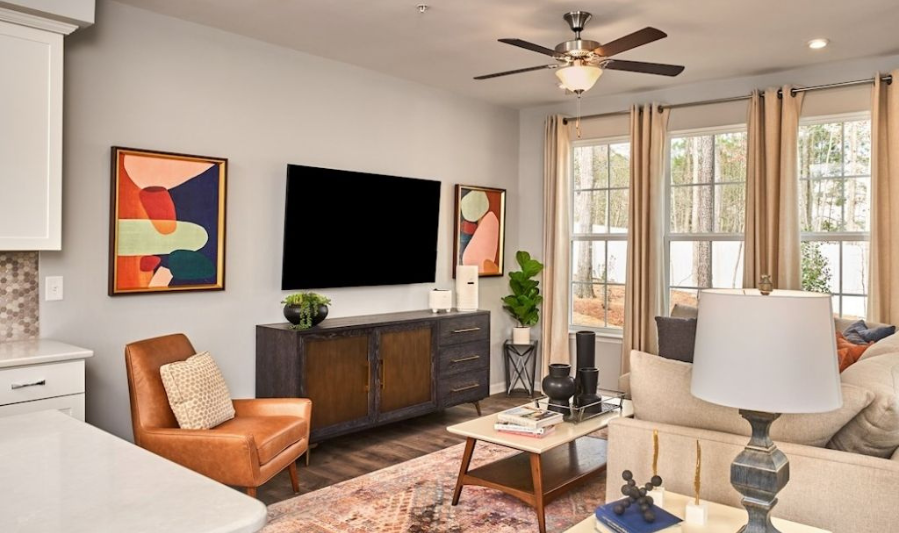
Small home interior design focuses on making the most of limited space while maintaining comfort, functionality, and visual appeal. In 2026, modern small-home design emphasizes smart layouts, multifunctional solutions, and intentional decorating choices that help compact spaces feel larger and more livable.
Challenges of Small Living Spaces
Designing a small home presents unique challenges that require thoughtful planning and creative solutions.
Limited Floor Space
One of the biggest challenges is the lack of available square footage.
Common Issues:
- Restricted furniture placement
- Limited storage options
- Reduced flexibility in room layouts
- Overcrowding when too many items are added
Visual Clutter
Small spaces can quickly feel cramped when there is excessive furniture, décor, or disorganization.
Effects of Clutter:
- Makes rooms appear smaller
- Creates visual stress
- Reduces functionality
- Impacts overall comfort
Multifunctional Needs
Modern homes often need to accommodate multiple activities within a single room.
Examples:
Importance of Space Optimization
Space optimization is the foundation of successful small-home interior design.
Maximizing Every Square Foot
Effective design ensures that every area serves a purpose without wasting valuable space.
Strategies Include:
- Using vertical storage
- Choosing multifunctional furniture
- Incorporating built-in solutions
- Utilizing overlooked spaces
Improving Daily Functionality
Optimized spaces support smoother daily routines and make homes more practical.
Benefits:
- Easier organization
- Better movement throughout the home
- Increased storage capacity
- Enhanced comfort
Creating a Sense of Openness
Thoughtful space planning can make compact interiors feel much larger than they actually are.
Combining Style and Functionality
Modern small-home design focuses on balancing visual appeal with practical living needs.
Functional Design Elements
- Storage-integrated furniture
- Foldable and expandable pieces
- Open shelving systems
- Flexible room layouts
Stylish Design Features
- Neutral color palettes
- Modern furniture silhouettes
- Layered textures
- Thoughtful decorative accents
Achieving Balance
The best small homes combine:
- Efficient use of space
- Attractive design elements
- Comfortable living conditions
- Organized environments
Common Small Home Design Goals
Most small-home interior projects share similar objectives focused on maximizing comfort and usability.
Creating More Storage
Homeowners often seek ways to increase storage without sacrificing valuable floor space.
Making Spaces Feel Larger
Design choices are used to create an open and airy atmosphere.
Common Techniques:
- Light color palettes
- Mirrors to reflect light
- Minimal visual clutter
- Strategic furniture placement
Improving Organization
Well-organized spaces feel more functional and less stressful.
Enhancing Comfort
Even compact homes should feel warm, welcoming, and comfortable for everyday living.
Maintaining Personal Style
Small spaces can still reflect individual tastes through carefully selected furniture, colors, and décor.
Final Thoughts
Understanding small home interior design is the first step toward creating a space that feels both functional and beautiful. By addressing common challenges, optimizing available space, and balancing style with practicality, homeowners can transform compact living areas into comfortable and efficient modern homes.
Choosing the Right Color Palette
Selecting the right color palette is one of the most important decisions in small home interior design. Colors influence how large, bright, and comfortable a space feels. In modern small homes, light and neutral palettes are commonly used to create an open, airy atmosphere while maintaining a stylish and timeless appearance.
Why Light Colors Work Best
Light colors help maximize the visual potential of compact spaces by reflecting natural and artificial light more effectively.
Benefits of Light Colors
- Make rooms appear larger and more open
- Reflect more light throughout the space
- Create a fresh and airy atmosphere
- Reduce the feeling of visual clutter
- Provide a versatile backdrop for décor
Psychological Impact
Light colors often promote feelings of calmness, relaxation, and cleanliness, making small homes feel more comfortable and inviting.
Best Applications
- Walls and ceilings
- Large furniture pieces
- Curtains and window treatments
- Area rugs and flooring accents
Popular Modern Color Schemes
Modern small homes typically rely on neutral and soft color palettes that enhance openness and flexibility.
White
White remains one of the most popular choices for small interiors.
Characteristics
- Bright and reflective
- Clean and timeless appearance
- Works with virtually any décor style
Benefits
- Maximizes natural light
- Creates a spacious feeling
- Provides a neutral foundation for accent colors
Styling Tips
- Layer different shades of white for depth
- Add natural textures to avoid a sterile look
- Incorporate warm lighting for balance
Beige
Beige adds warmth while maintaining the openness associated with neutral colors.
Characteristics
- Soft and welcoming tone
- Versatile and timeless
- Pairs well with natural materials
Benefits
- Creates a cozy atmosphere
- Softens modern interiors
- Works with earthy accent colors
Styling Tips
- Pair with wood furniture
- Add linen and cotton textures
- Use subtle darker accents for contrast
Soft Gray
Soft gray provides a modern and sophisticated foundation for small spaces.
Characteristics
- Calm and understated
- Contemporary appearance
- Available in warm and cool variations
Benefits
- Adds depth without overwhelming the room
- Complements many design styles
- Creates a balanced, elegant look
Styling Tips
- Combine with white trim for contrast
- Add warm textiles to soften the palette
- Use black accents sparingly for definition
Cream
Cream offers the brightness of white with added warmth and softness.
Characteristics
- Warm neutral tone
- Gentle and inviting appearance
- Less stark than pure white
Benefits
- Creates a cozy atmosphere
- Reflects light effectively
- Enhances comfort-focused interiors
Styling Tips
- Pair with beige and warm wood tones
- Use layered textiles for added depth
- Incorporate greenery for a fresh look
Creating a Balanced Color Scheme
A balanced color scheme helps small homes feel cohesive and visually comfortable.
Start with a Neutral Base
Choose one primary neutral color for walls and large furniture pieces.
Add Supporting Colors
Introduce one or two complementary shades to add depth and interest.
Use Accent Colors Sparingly
Accent colors should enhance the design without overwhelming the space.
Popular Accent Choices:
- Olive green
- Terracotta
- Navy blue
- Muted black
- Soft sage
Maintain Consistency
Using a consistent palette throughout the home helps create visual flow and makes rooms feel larger and more connected.
Final Thoughts
The right color palette can dramatically improve the look and feel of a small home. By using light colors such as white, beige, soft gray, and cream, homeowners can create bright, spacious, and welcoming interiors that support modern living while maximizing every square foot.
Multifunctional Furniture Solutions
Multifunctional furniture is essential in modern small-home design. As living spaces become more compact, furniture that serves multiple purposes helps maximize functionality without sacrificing comfort or style. In 2026, space-saving furniture continues to be a major trend, allowing homeowners to make the most of every square foot.
Importance of Space-Saving Furniture
Space-saving furniture is designed to perform more than one function, helping reduce clutter and improve efficiency in small homes.
Why It Matters
- Maximizes limited floor space
- Reduces the need for excess furniture
- Improves room flexibility
- Enhances organization and storage
- Creates a cleaner, more open appearance
Benefits for Small Homes
- Better use of available space
- Increased functionality in every room
- Easier movement and navigation
- More adaptable living environments
Modern Design Advantage
Today’s multifunctional furniture combines practicality with sleek, modern aesthetics, making it suitable for a wide range of interior styles.
Best Furniture Options
Choosing the right multifunctional pieces can dramatically improve comfort and usability in small spaces.
Sofa Beds
Sofa beds are among the most versatile furniture solutions for compact homes.
Key Features
- Functions as both a sofa and a bed
- Available in various sizes and styles
- Ideal for guest accommodations
Benefits
- Saves significant space
- Eliminates the need for a dedicated guest room
- Provides everyday seating and sleeping functionality
Best Uses
- Studio apartments
- Small living rooms
- Guest rooms
- Home offices
Storage Ottomans
Storage ottomans combine seating, storage, and decorative appeal in a single piece.
Key Features
- Hidden storage compartments
- Can serve as seating or footrests
- Available in various shapes and materials
Benefits
- Keeps clutter out of sight
- Adds extra seating when needed
- Enhances organization
Storage Ideas
- Blankets and throws
- Magazines and books
- Remote controls
- Seasonal décor items
Foldable Tables
Foldable tables offer flexibility and convenience in rooms where space is limited.
Key Features
- Expand when needed
- Compact when not in use
- Easy to move and store
Benefits
- Ideal for multifunctional spaces
- Creates temporary work or dining areas
- Helps maintain open floor space
Common Uses
- Dining areas
- Home offices
- Craft and hobby spaces
- Small kitchens
Murphy Beds
Murphy beds are one of the most effective solutions for maximizing floor space.
Key Features
- Fold vertically into a wall or cabinet
- Hidden when not in use
- Available with integrated shelving or storage
Benefits
- Frees up valuable living space during the day
- Ideal for studio apartments and guest rooms
- Creates a multifunctional room environment
Best Applications
- Studio apartments
- Small bedrooms
- Home office and guest room combinations
- Multipurpose living spaces
Final Thoughts
Multifunctional furniture solutions are a cornerstone of modern small-home design. Pieces such as sofa beds, storage ottomans, foldable tables, and Murphy beds help homeowners maximize space while maintaining comfort and style. By investing in furniture that serves multiple purposes, small homes can become more efficient, organized, and enjoyable to live in.
Open Layout Concepts
Open layout concepts are a popular solution for modern small homes because they maximize available space and create a more connected living environment. By reducing unnecessary walls and barriers, open floor plans make interiors feel larger, brighter, and more functional. In 2026, this design approach remains a key trend for homeowners seeking both style and practicality.
Benefits of Open Floor Plans
Open floor plans combine multiple living areas into one cohesive space, improving both aesthetics and functionality.
Creates a Sense of Spaciousness
Without dividing walls, rooms appear larger and more open than their actual size.
Benefits Include:
- Improved visual openness
- Greater flexibility in room arrangement
- Better use of available square footage
Enhances Natural Light
Light can travel freely throughout connected spaces, making interiors feel brighter and more inviting.
Encourages Social Interaction
Open layouts make it easier for family members and guests to interact across different areas of the home.
Increases Flexibility
Spaces can adapt to changing needs without being restricted by fixed room boundaries.
Creating Better Flow
Flow refers to how easily people can move through and visually experience a space.
Maintain Clear Pathways
Keep major walkways open and unobstructed to support comfortable movement.
Tips:
- Avoid oversized furniture
- Leave sufficient space between furniture pieces
- Arrange seating to guide movement naturally
Use Consistent Design Elements
A unified design helps different areas feel connected.
Examples:
- Similar flooring throughout the space
- Consistent color palettes
- Repeated materials and finishes
Balance Furniture Placement
Furniture should define areas without disrupting circulation.
Minimizing Visual Barriers
Reducing visual interruptions helps small homes feel more expansive and cohesive.
Replace Solid Dividers
Instead of full walls, consider:
- Open shelving units
- Glass partitions
- Decorative screens
- Low-profile furniture
Keep Sightlines Open
Allow the eye to travel across the room uninterrupted.
Benefits:
- Enhances spaciousness
- Improves natural light distribution
- Creates visual harmony
Use Light Colors
Neutral and light color palettes help reduce visual weight and support an open atmosphere.
Small Home Layout Ideas
Thoughtful layout planning can maximize both function and comfort in compact homes.
Living Room and Dining Combination
Combine living and dining areas into a single open space while using rugs or lighting to define each zone.
Kitchen and Living Room Connection
Open kitchens allow for better interaction and make the entire space feel larger.
Multi-Purpose Areas
Design rooms to serve more than one purpose.
Examples:
- Home office within a living room
- Dining table doubling as a workspace
- Guest room combined with a study
Flexible Furniture Arrangements
Use movable and multifunctional furniture that can adapt to different activities and changing needs.
Final Thoughts
Open layout concepts are an effective way to maximize space in small homes. By embracing open floor plans, improving flow, minimizing visual barriers, and using smart layout strategies, homeowners can create interiors that feel spacious, functional, and welcoming while maintaining a modern aesthetic.
You may also like to read these posts:
Home Inspiration Ideas for Beginners: Simple Ways to Transform Your Space
Simple and Creative Home Inspiration Tips for Modern Living
Smart Storage Ideas
Smart storage is one of the most important elements of modern small-home interior design. In 2026, homeowners increasingly rely on creative and space-efficient storage solutions to reduce clutter and maintain clean, functional living spaces. The focus is on maximizing hidden and vertical space without compromising style or comfort.
Hidden Storage Solutions
Hidden storage helps keep everyday items out of sight while maintaining a clean and organized interior.
Key Features
- Storage compartments built into furniture
- Concealed drawers and cabinets
- Multi-functional furniture designs
- Minimal visual clutter
Benefits
- Maintains a clean and open appearance
- Reduces visible mess in small spaces
- Improves overall organization
- Enhances modern, minimalist aesthetics
Common Examples
- Coffee tables with hidden compartments
- Sofas with internal storage
- Beds with built-in drawers
- Stairs with storage space underneath
Under-Bed Storage
Under-bed storage is one of the most practical and accessible solutions for small bedrooms.
Key Features
- Utilizes unused space beneath the bed
- Available in drawer or box systems
- Easy to access and organize
Benefits
- Maximizes bedroom storage without taking extra space
- Keeps seasonal or rarely used items hidden
- Reduces need for bulky wardrobes
Storage Ideas
- Seasonal clothing
- Extra bedding and blankets
- Shoes and accessories
- Travel luggage
Design Tip
Choose beds with built-in drawers or use labeled storage boxes for better organization.
Built-In Cabinets
Built-in cabinets provide seamless storage solutions that blend into the architecture of the home.
Key Features
- Custom-designed for specific spaces
- Flush with walls for a clean look
- High storage capacity
Benefits
- Saves floor space
- Creates a streamlined appearance
- Increases storage efficiency
- Enhances modern interior aesthetics
Common Uses
- Living room wall units
- Bedroom wardrobes
- Kitchen storage systems
- Hallway storage solutions
Design Tip
Use neutral colors for built-in cabinets to maintain a cohesive and spacious look.
Wall-Mounted Storage Options
Wall-mounted storage helps free up floor space while keeping essentials easily accessible.
Key Features
- Mounted shelves and racks
- Floating cabinets
- Vertical storage systems
- Pegboards and hooks
Benefits
- Maximizes vertical space
- Keeps floors clear and open
- Adds decorative functionality
- Easy to customize and rearrange
Common Applications
- Kitchen utensil storage
- Bathroom organizers
- Living room display shelves
- Entryway hooks and racks
Design Tip
Combine functionality with aesthetics by styling wall shelves with minimal décor items and plants.
Final Thoughts
Smart storage ideas are essential for creating efficient and clutter-free small homes. By using hidden storage, under-bed solutions, built-in cabinets, and wall-mounted systems, homeowners can maximize space while maintaining a clean, modern, and organized living environment.
Faqs:
How do I make a small home look bigger?
You can make a small home look bigger by using light colors, maximizing natural light, adding mirrors, keeping furniture minimal, and using smart storage solutions to reduce clutter.
What colors are best for modern interiors in small homes?
Light and neutral colors such as white, beige, cream, and soft gray work best because they reflect light and create an open, airy feel.
What type of furniture is best for small homes?
Multifunctional furniture like sofa beds, foldable tables, storage ottomans, and compact modular sofas are ideal for saving space while maintaining functionality.
How can I maximize storage in a small home?
You can maximize storage by using vertical space, installing wall shelves, choosing built-in cabinets, and using furniture with hidden storage compartments.
Is modern interior design good for small homes?
Yes, modern interior design is perfect for small homes because it focuses on simplicity, functionality, and clean layouts that help maximize space and improve comfort.
Conclusion
Modern interiors for small homes are all about making the most of limited space while keeping the design stylish, functional, and comfortable. By using smart strategies like light color palettes, multifunctional furniture, vertical storage, and minimalistic layouts, even the smallest home can feel open and inviting.
The key is to focus on simplicity and practicality rather than overcrowding the space with unnecessary items. Small, thoughtful changes can have a big impact on the overall look and feel of your home.
With these modern interior ideas, you can transform your small home into a well-organized, beautiful, and highly functional living space that suits modern lifestyles.