
Introduction
What modern interior design means today
Modern interior design is a contemporary approach to styling interior spaces that emphasizes simplicity, functionality, and clean visual composition. It focuses on open layouts, minimal decoration, and purposeful design choices where every element serves a clear function. Neutral tones, natural materials, and balanced lighting are commonly used to create a calm and cohesive environment.
Why modern interior styles are popular worldwide
Modern interior styles have gained global appeal due to their adaptability and timeless look. They work well in homes, apartments, offices, and commercial spaces regardless of size. The style also aligns with modern lifestyles that prioritize efficiency, comfort, and organization. Its influence has grown further through global design trends, digital inspiration platforms, and increasing demand for practical yet stylish living spaces.
Flexibility and lifestyle benefits
Modern interior design offers strong flexibility, allowing it to be customized according to personal preferences without losing its core identity. It supports multifunctional living by making better use of available space and reducing unnecessary clutter. This results in improved comfort, easier maintenance, and a more peaceful environment that supports focus, relaxation, and everyday productivity.
History of Modern Interior Design
Origin in early 20th century modernism
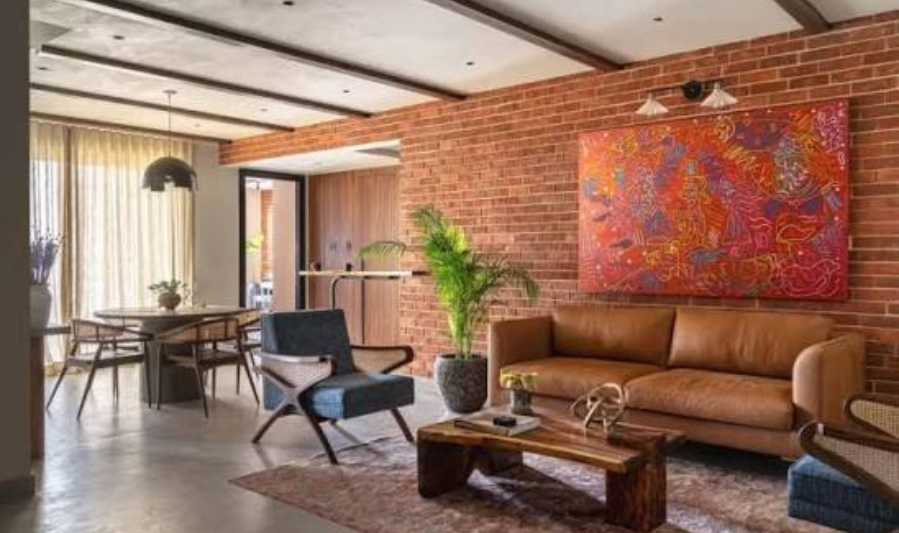
Modern interior design originated in the early 20th century as part of the broader modernist movement in art, architecture, and design. It emerged as a reaction against overly decorative historical styles like Victorian and classical design. Designers began prioritizing simplicity, functionality, and the idea that “form follows function.” This shift was strongly influenced by industrialization, which introduced new materials and mass production techniques.
Influence of Bauhaus and minimalism movements
The Bauhaus played a major role in shaping modern interior design principles. It promoted the integration of art, craft, and technology, focusing on practical yet visually clean designs. Furniture and interiors became more geometric, functional, and affordable.
Later, minimalism further refined these ideas by reducing design elements to their essential form. This movement emphasized simplicity, open space, and the elimination of unnecessary decoration, reinforcing the core values of modern interiors.
Evolution into contemporary design trends
Over time, modern interior design evolved into a more flexible and diverse approach. As lifestyles changed, designers began blending modernist principles with comfort, technology, and cultural influences. Today’s interiors often mix natural textures, smart home features, and sustainable materials while still maintaining the clean, functional foundation of modern design.
Difference between “modern” and “contemporary”
Although often used interchangeably, “modern” and “contemporary” refer to different concepts. Modern design refers to a specific historical style rooted in early to mid-20th century design principles, characterized by simplicity and structure.
Contemporary design, on the other hand, reflects current trends and is constantly evolving. It is more fluid, often combining elements from modern, minimalist, industrial, and other styles to reflect what is popular or relevant today.
Core Principles of Modern Interior Design
Simplicity and minimalism
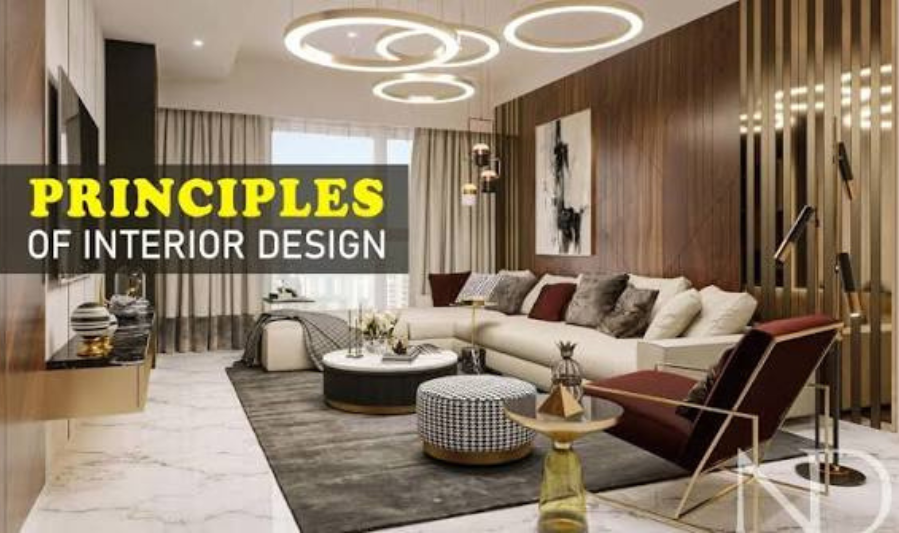
Modern interior design focuses on keeping spaces clean, uncluttered, and visually calm. It avoids unnecessary ornamentation and instead highlights essential forms, creating a sense of order and elegance through restraint.
Function over decoration
Every element in a modern interior serves a purpose. Furniture, layouts, and décor are chosen based on usability first, ensuring that beauty comes from practicality rather than excess decoration.
Open and airy spaces
Modern design often emphasizes open floor plans and unobstructed layouts. This creates a sense of flow between rooms, improves movement, and makes interiors feel larger and more connected.
Natural light importance
Maximizing natural light is a key principle. Large windows, open layouts, and light-reflecting surfaces help brighten spaces, reduce dependence on artificial lighting, and create a more welcoming atmosphere.
Neutral color foundations
Neutral tones such as white, beige, gray, and soft earth shades form the base of modern interiors. These colors create a calm backdrop and allow furniture and textures to stand out subtly.
Balance and harmony in design
Modern interiors aim for visual balance through proportion, spacing, and material coordination. The goal is to create harmony between all elements so the space feels unified, stable, and comfortable.
Types of Modern Interior Styles (Detailed Sections)
4.1 Minimalist Style
The minimalist style is built around the philosophy of “less is more,” where every object in a space has a clear purpose and unnecessary items are removed.
Philosophy of “less is more”
Minimalism focuses on simplicity, clarity, and visual calm. The goal is to create open spaces that feel peaceful and uncluttered, allowing the architecture and key furniture pieces to stand out.
Furniture selection rules
Furniture in minimalist interiors is carefully chosen based on function and form. Pieces are typically simple, low-profile, and geometric, with smooth surfaces and neutral tones. Multi-functional furniture is often preferred to reduce overcrowding.
Storage solutions and clutter control
Hidden storage is a key element. Built-in cabinets, wall storage, and concealed compartments help maintain clean surfaces and reduce visual noise. Everything has a designated place to prevent clutter.
Real-life examples
Minimalist interiors are commonly seen in modern urban apartments, Japanese-inspired homes, and luxury spaces where simplicity and openness are prioritized over decoration.
4.2 Contemporary Style
Contemporary interior design reflects current trends and is constantly evolving, making it one of the most flexible modern styles.
Constantly evolving design approach
Unlike fixed styles, contemporary design changes with time. It adapts new ideas, technologies, and materials, making it highly dynamic and up-to-date.
Mix of textures and materials
This style often blends different materials such as glass, wood, metal, and stone to create contrast and visual interest while maintaining balance.
Statement furniture and art pieces
Contemporary interiors often feature bold furniture or artwork that acts as a focal point in the room, adding personality and character.
Use of bold accents
While neutral tones form the base, bold colors like deep blue, black, or mustard may be used in accents such as cushions, rugs, or feature walls.
4.3 Industrial Style
Industrial design takes inspiration from old warehouses, factories, and urban lofts, highlighting raw and unfinished aesthetics.
Inspiration from warehouses and factories
This style emerged from repurposed industrial buildings, where structural elements were left exposed instead of being covered.
Raw materials like concrete, metal, brick
Materials are typically rough and unpolished, including exposed brick walls, concrete floors, steel beams, and aged wood finishes.
Open ceilings and exposed elements
Pipes, ductwork, and beams are intentionally left visible, adding to the raw and authentic industrial feel.
Urban loft appeal
Industrial interiors are especially popular in loft apartments and urban spaces, offering a bold, edgy, and spacious atmosphere.
4.4 Scandinavian Style
Scandinavian design is known for its simplicity, warmth, and functionality, inspired by Nordic living principles.
Focus on comfort and coziness (hygge concept)
This style emphasizes comfort and emotional well-being, often referred to as “hygge,” which means creating a warm and inviting atmosphere.
Light tones and natural wood
White walls, light gray shades, and natural wood tones dominate the palette, helping spaces feel bright and airy.
Functional and simple furniture
Furniture is practical, clean-lined, and designed for everyday use without unnecessary decoration.
Cozy textiles and warm lighting
Soft fabrics like wool, linen, and cotton are used along with warm lighting to create a comfortable and welcoming environment.
4.5 Mid-Century Modern Style
Mid-century modern design is a timeless style that originated in the mid-20th century and remains popular today.
Retro design inspiration
It reflects post-war design innovation, combining simplicity with creativity and organic forms.
Organic shapes and wooden tones
Furniture often features curved lines, tapered legs, and warm wood finishes such as teak or walnut.
Iconic furniture pieces
This style is known for classic designer pieces that are both functional and visually striking, often becoming statement items in interiors.
Bright accent colors
While the base remains neutral, vibrant colors like orange, teal, and mustard are used in accents to add energy and personality.
Modern Color Palettes
Neutral tones (white, beige, grey, black)
Neutral colors form the foundation of modern interior design because they create a clean, timeless, and versatile base. White and beige add brightness and openness, while grey introduces balance and sophistication. Black is often used in small doses to add depth, definition, and contrast. Together, these tones create a calm backdrop that allows furniture, textures, and architectural details to stand out.
Accent colors (mustard, navy, olive green)
Accent colors are used to add personality and visual interest without overwhelming the space. Mustard brings warmth and energy, navy adds depth and elegance, and olive green introduces a natural, earthy feel. These colors are typically applied through décor elements such as cushions, rugs, artwork, or feature walls, helping to refresh the space while maintaining a modern aesthetic.
Monochrome vs contrast styles
Monochrome palettes use variations of a single color, creating a cohesive and harmonious look that feels simple and elegant. In contrast, high-contrast palettes combine light and dark tones—such as white and black or beige and deep navy—to create stronger visual impact and structure. Both approaches are widely used in modern interiors depending on whether the goal is calmness or boldness.
Psychological impact of colors
Colors play an important role in influencing mood and behavior in interior spaces. Neutral tones promote relaxation, clarity, and focus, making them ideal for living rooms and bedrooms. Warmer accents like mustard can create a sense of comfort and energy, while cool tones like navy and green encourage calmness and stability. Thoughtful color selection helps shape how a space feels and how people experience it emotionally.
You may also like to read these posts:
Home Inspiration Ideas for Beginners: Simple Ways to Transform Your Space
Simple and Creative Home Inspiration Tips for Modern Living
Furniture Selection in Modern Interiors
Importance of functional furniture
In modern interior design, furniture is chosen primarily for its usefulness rather than decoration. Each piece should support daily living, whether it is for seating, storage, or work. Functional furniture helps maintain an organized environment and reduces unnecessary clutter, which is a core principle of modern design.
Multi-purpose furniture ideas
Multi-purpose furniture is especially valuable in modern homes where space efficiency matters. Examples include sofa beds, foldable dining tables, storage ottomans, and beds with built-in drawers. These pieces allow a single item to serve multiple roles, making interiors more flexible and practical without sacrificing style.
Clean lines and simple shapes
Modern furniture typically features clean lines, smooth surfaces, and simple geometric shapes. This avoids visual complexity and helps create a calm and structured look. Straight edges, subtle curves, and minimal detailing ensure that furniture blends naturally into the overall design without overpowering the space.
Space-saving furniture for small homes
For smaller homes and apartments, space-saving furniture is essential. Wall-mounted shelves, extendable tables, compact seating, and modular storage units help maximize available space. These designs make rooms feel more open and functional while still meeting everyday needs, which is especially important in urban living environments.
Faqs:
What is modern interior design?
Modern interior design is a style focused on simplicity, clean lines, and functional spaces. It uses neutral colors, minimal décor, and natural materials to create a calm and organized home environment.
What is the difference between modern and contemporary interior design?
Modern design refers to a fixed style that originated in the early 20th century, while contemporary design changes with current trends. Modern is more structured, whereas contemporary is more flexible and evolving.
Which colors are best for modern interiors?
Modern interiors usually use neutral colors like white, beige, grey, and black. Accent colors such as green, navy, or mustard can be added to give contrast and personality.
Can I mix different modern interior styles?
Yes, modern interior design is very flexible. You can mix styles like Scandinavian and Minimalist or Industrial and Contemporary, as long as the overall look stays balanced and uncluttered.
How can I make my home look modern on a budge
You can achieve a modern look by decluttering your space, using neutral paint colors, adding simple furniture, improving lighting, and using affordable décor like plants and DIY items.
Conclusion
Modern interior design is more than just a visual style—it is a way of creating spaces that are simple, functional, and comfortable for everyday living. By focusing on clean lines, neutral colors, natural materials, and minimal décor, you can transform any space into a modern and balanced environment.
Whether you prefer Minimalist, Scandinavian, Industrial, or Contemporary design, each style offers unique ideas that can be adapted to your personal taste and lifestyle. The key is to maintain harmony, avoid clutter, and prioritize functionality.
At the end of the day, a modern home is not about following strict rules—it’s about designing a space that feels right for you, supports your daily life, and remains timeless for years to come.