
Introduction
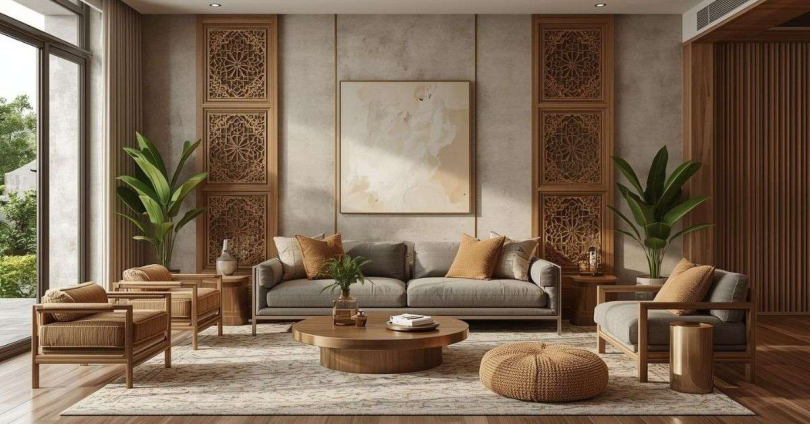
Modern interior design in 2026 is defined by a balance of simplicity, functionality, comfort, and personalization. It moves beyond purely visual aesthetics and focuses on creating living spaces that improve daily life. Homes are now designed to be more flexible, sustainable, and aligned with evolving lifestyle needs.
What Is Modern Interior Design?
Modern interior design refers to a design approach that emphasizes clean lines, functional layouts, and a minimalist yet comfortable aesthetic. It integrates contemporary materials, smart technology, and thoughtful space planning.
Key Characteristics
- Clean and simple design forms
- Functional and uncluttered spaces
- Neutral and earthy color palettes
- Use of natural materials
- Integration of smart home elements
Core Purpose
The goal of modern interior design is to create spaces that are both visually appealing and highly practical for everyday living.
Why Modern Design Is Important in 2026
Modern design has become increasingly relevant due to changes in lifestyle, technology, and environmental awareness.
Key Reasons
- Growing need for multifunctional homes
- Increased focus on comfort and wellness
- Rising importance of sustainability
- Advancements in smart home technology
- Demand for personalized living spaces
Impact on Daily Life
Modern interiors support better organization, improved comfort, and more efficient use of space, making homes more adaptable to everyday needs.
How Interior Trends Are Changing Homes
Interior design trends are reshaping how homes are built, furnished, and experienced.
Shift Toward Flexibility
- Open-plan layouts
- Convertible and multifunctional furniture
- Spaces designed for multiple uses
Emphasis on Comfort
- Softer materials and textures
- Cozy lighting solutions
- Relaxation-focused room designs
Rise of Natural Aesthetics
- Earthy color palettes
- Natural wood and stone materials
- Indoor plants and organic elements
Integration of Technology
- Smart lighting systems
- Automated home features
- Energy-efficient appliances
What This Guide Will Help You Learn
This guide provides a complete overview of modern interior design trends and practical ideas for applying them in real homes.
Topics Covered
- Core principles of modern interior design
- Popular styles and trends in 2026
- Color palettes and material choices
- Furniture and layout ideas
- Lighting and décor strategies
- Budget-friendly modern design tips
- Sustainable and smart home solutions
Final Thoughts
Modern interior design in 2026 is about creating homes that are stylish, functional, and meaningful. By understanding these evolving trends, you can design spaces that reflect your personality while supporting comfort, efficiency, and modern living needs.
Overview of Modern Interior Design Trends
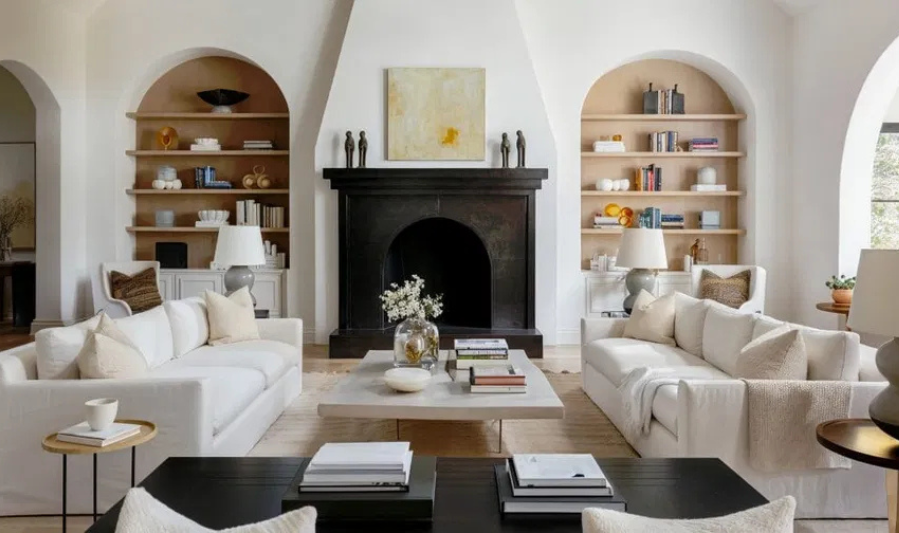
Modern interior design in 2026 continues to evolve toward more thoughtful, livable, and flexible homes. Instead of focusing only on visual perfection, today’s design trends prioritize comfort, usability, and personal expression. The result is interiors that feel balanced, practical, and deeply connected to everyday life.
Evolution of Modern Design
Modern interior design has changed significantly over time, shifting through different phases influenced by lifestyle, technology, and cultural preferences.
From Formal to Functional
Earlier interior styles often emphasized ornate details and formal arrangements. Over time, design shifted toward:
- Cleaner layouts
- Reduced clutter
- Practical furniture choices
- Open and flexible spaces
From Minimal to Warm Modernism
Pure minimalism has evolved into warmer, more inviting interiors.
Key changes include:
- Softer textures replacing rigid surfaces
- Earthy tones replacing stark whites
- More layered and lived-in styling
- Increased use of natural materials
Hybrid Design Styles
Modern homes now blend multiple styles instead of following one strict aesthetic.
- Modern + Scandinavian
- Minimalist + rustic
- Contemporary + bohemian
Focus on Simplicity and Functionality
Simplicity and functionality remain the foundation of modern interior design.
Simplicity in Design
- Clean lines and uncluttered spaces
- Neutral and calming color palettes
- Minimal decorative excess
- Intentional furniture selection
Functional Living
Every element in a modern home serves a purpose.
Examples include:
- Storage-integrated furniture
- Multifunctional pieces
- Flexible room layouts
- Smart organization systems
Everyday Efficiency
Modern interiors are designed to make daily life easier, more organized, and more efficient.
Blend of Comfort and Aesthetics
One of the most important shifts in modern design is the balance between beauty and comfort.
Comfort-Driven Interiors
- Soft seating and layered textiles
- Warm lighting solutions
- Relaxation-focused layouts
- Cozy, inviting materials
Stylish Visual Appeal
- Statement furniture pieces
- Thoughtful color coordination
- Texture layering for depth
- Carefully selected décor accents
Balanced Design Approach
Modern interiors succeed when they combine:
- Functionality
- Visual harmony
- Emotional comfort
- Practical usability
Importance of Personal Style
Personal expression has become central to modern interior design in 2026.
Moving Beyond Standard Designs
Instead of uniform, showroom-like interiors, homeowners now prefer spaces that reflect their identity.
Ways to Express Personality
- Mixing different design influences
- Displaying personal artwork or photos
- Incorporating meaningful objects
- Customizing furniture and décor choices
Emotional Connection to Space
Personalized interiors create stronger emotional ties, making homes feel more comfortable, authentic, and unique.
Final Thoughts
Modern interior design trends in 2026 highlight a clear shift toward simplicity, comfort, and personalization. By embracing these principles, homeowners can create spaces that are not only visually appealing but also practical, meaningful, and suited to modern lifestyles.
Minimalist Interior Design Style
Minimalist interior design is a timeless style that continues to shape modern homes in 2026. It focuses on simplicity, functionality, and visual clarity, creating spaces that feel calm, organized, and intentional. Rather than filling rooms with unnecessary décor, minimalism emphasizes only what is essential.
What Is Minimalism?
Minimalism is a design philosophy built on the idea of “less is more.” Every element in a minimalist space is chosen with purpose, ensuring both function and aesthetic harmony.
Core Principles
- Remove unnecessary clutter
- Focus on essential items only
- Prioritize function over decoration
- Maintain visual balance and simplicity
Why It Works in Modern Homes
- Creates a calming environment
- Reduces visual stress and distraction
- Makes spaces feel larger and more open
- Encourages organized, efficient living
Key Features
Minimalist interiors are defined by simplicity, structure, and intentional design choices.
Clean Lines
Clean lines are essential in creating the structured and orderly look associated with minimalism.
Characteristics
- Simple furniture shapes
- Straight edges and smooth surfaces
- Geometric balance
- Uncomplicated design forms
Benefits
- Enhances visual order
- Creates a modern, refined look
- Improves spatial flow
- Reduces visual noise
Neutral Colors
Neutral tones form the foundation of minimalist design, helping maintain a calm and cohesive environment.
Common Colors
- White
- Beige
- Gray
- Soft taupe
- Black (used sparingly for contrast)
Benefits
- Creates a peaceful atmosphere
- Enhances natural light
- Makes rooms appear more spacious
- Provides a timeless aesthetic base
Styling Approach
- Stick to a limited color palette
- Layer subtle variations of neutrals
- Use accent colors minimally
Clutter-Free Spaces
A clutter-free environment is a defining feature of minimalist interiors.
Key Elements
- Clean and open surfaces
- Hidden or built-in storage
- Limited decorative items
- Organized layout and spacing
Benefits
- Promotes mental clarity
- Improves functionality
- Makes maintenance easier
- Enhances overall visual calm
Final Thoughts
Minimalist interior design remains popular in 2026 because it promotes simplicity, functionality, and calm living. By focusing on clean lines, neutral colors, and clutter-free spaces, homeowners can create elegant and timeless interiors that feel both practical and peaceful.
Open Concept Living Spaces
Open concept living spaces continue to be a defining feature of modern interior design in 2026. This layout style removes unnecessary walls and barriers, creating large, connected areas that improve flow, light, and functionality. It is especially popular in contemporary homes where flexibility and social interaction are key priorities.
Benefits of Open Layouts
Open layouts offer both aesthetic and practical advantages, making them a preferred choice in modern homes.
Key Benefits
- Improves natural light distribution
- Makes spaces feel larger and more spacious
- Encourages social interaction between areas
- Increases flexibility in furniture arrangement
- Enhances modern and airy aesthetics
Lifestyle Advantages
Open concept homes support multitasking lifestyles by combining living, dining, and kitchen areas into one cohesive environment.
Zoning Different Areas
Even without walls, open spaces can be organized into functional zones for better structure and usability.
Methods of Zoning
- Area rugs to define spaces
- Lighting variations for different functions
- Furniture groupings to separate zones
- Color or material changes for subtle boundaries
Common Zones in Open Layouts
- Living area
- Dining space
- Kitchen area
- Work or study corner
Design Goal
The aim is to maintain openness while still giving each area a clear purpose and identity.
Furniture Placement Ideas
Furniture plays a crucial role in organizing open-plan interiors effectively.
Smart Placement Strategies
- Use sofas to divide living and dining areas
- Position furniture away from walls for better flow
- Create conversation clusters with seating arrangements
- Align furniture with focal points like TV units or windows
Space Optimization Tips
- Choose multi-functional furniture pieces
- Avoid overcrowding large open areas
- Maintain clear walking pathways
- Balance large and small furniture items
Creating Flow in Interiors
Flow refers to how easily people can move and visually connect through a space. Good flow makes open interiors feel natural, balanced, and comfortable.
Key Elements of Flow
- Consistent color palette across zones
- Repeated materials or textures
- Balanced lighting throughout the space
- Clear and unobstructed pathways
Visual Flow Techniques
- Use similar design styles in all connected areas
- Repeat accent colors subtly across rooms
- Maintain proportional furniture sizing
- Align major elements for visual harmony
Final Thoughts
Open concept living spaces remain a strong trend in 2026 because they combine flexibility, light, and modern aesthetics. With thoughtful zoning, smart furniture placement, and attention to flow, these layouts can create highly functional and visually cohesive homes that suit today’s dynamic lifestyles.
Natural Materials and Textures
Natural materials and textures are a defining element of modern interior design in 2026. They bring warmth, authenticity, and a sense of calm into living spaces while supporting sustainable and eco-friendly design principles. By incorporating organic materials, interiors feel more grounded, comfortable, and visually balanced.
Wood, Stone, and Rattan Trends
Wood, stone, and rattan remain the most popular natural materials in contemporary interiors due to their durability and timeless appeal.
Wood
Wood is widely used for its warmth and versatility.
Common Uses:
- Flooring and wall paneling
- Furniture such as tables, beds, and cabinets
- Ceiling beams and decorative accents
Design Effect:
- Adds natural warmth and structure
- Creates a timeless, cozy atmosphere
- Works well in both modern and rustic interiors
Stone
Stone introduces texture, strength, and elegance into interior spaces.
Common Uses:
- Kitchen countertops
- Bathroom surfaces
- Feature walls
- Decorative accents
Design Effect:
- Adds a luxurious yet natural feel
- Enhances durability and longevity
- Creates visual depth and contrast
Rattan
Rattan brings a lightweight, organic texture that works well in modern homes.
Common Uses:
- Chairs and seating
- Light fixtures
- Storage baskets
- Decorative panels
Design Effect:
- Adds softness and texture
- Enhances bohemian and natural aesthetics
- Keeps interiors feeling light and airy
Fabric Choices (Linen, Cotton, Wool)
Natural fabrics play a key role in adding comfort and softness to interiors.
Linen
- Lightweight and breathable
- Slightly textured appearance
- Commonly used for curtains and bedding
- Creates a relaxed, effortless look
Cotton
- Soft and versatile material
- Easy to maintain and widely available
- Used for bedding, cushions, and upholstery
- Suitable for everyday comfort
Wool
- Warm and insulating fabric
- Ideal for colder climates or cozy layering
- Used in blankets, rugs, and throws
- Adds richness and depth to interiors
Mixing Materials Effectively
Combining different natural materials adds depth and visual interest when done thoughtfully.
Key Principles
- Balance smooth and textured surfaces
- Mix warm and cool materials carefully
- Avoid overcrowding with too many finishes
- Maintain a consistent color palette
Effective Combinations
- Wood + linen for warmth and softness
- Stone + cotton for balance and contrast
- Rattan + wool for layered texture
Design Tip
Keep one dominant material and use others as supporting accents to maintain harmony.
Creating a Warm Atmosphere
Natural materials are essential for creating interiors that feel welcoming and comfortable.
You may also like to read these posts:
Home Inspiration Ideas for Beginners: Simple Ways to Transform Your Space
Simple and Creative Home Inspiration Tips for Modern Living
- Organic textures soften visual sharpness
- Earthy tones create calming environments
- Layered materials add depth and comfort
- Natural finishes reflect light gently
Styling Strategies
- Use wooden furniture as a base element
- Add soft fabrics for layering comfort
- Incorporate stone for grounding contrast
- Include rattan for lightness and texture
Final Thoughts
Natural materials and textures are central to modern interior design because they connect indoor spaces with nature. By thoughtfully combining wood, stone, rattan, and natural fabrics, homeowners can create interiors that feel warm, balanced, and timeless while maintaining a modern aesthetic.
Faqs:
What are the best modern interior design ideas in 2026?
The best modern interior design ideas in 2026 include minimalist layouts, neutral and earthy color palettes, smart home integration, multifunctional furniture, natural materials, and statement lighting.
How can I make my home look modern?
You can make your home look modern by keeping spaces clutter-free, using simple furniture, choosing neutral colors, improving lighting, and adding natural textures like wood, stone, or plants.
Can I mix modern and traditional interior styles?
Yes, you can mix modern and traditional styles if you maintain balance. Use a modern base design and add traditional accents carefully to avoid a crowded or mismatched look.
What colors are best for modern interiors?
Modern interiors usually use neutral and calming tones such as white, beige, grey, olive green, and warm earthy shades because they create a clean and timeless look.
How can I decorate my home on a budget in a modern style?
You can decorate on a budget by repurposing old furniture, using DIY decor, adding indoor plants, improving lighting, and choosing simple, affordable accessories like cushions and rugs.
Conclusion
Modern interior design ideas in 2026 focus on creating spaces that are simple, functional, and visually appealing. From minimalist layouts and neutral color palettes to smart home technology and natural materials, modern design offers practical solutions for comfortable everyday living.
The key to successful modern interiors is finding the right balance between style and functionality. You don’t need a complete renovation to achieve a modern look—small changes such as updating lighting, adding natural textures, or choosing multifunctional furniture can make a significant difference.
By applying these modern interior design ideas thoughtfully, you can create a home that feels stylish, comfortable, and perfectly suited to your lifestyle for years to come.