
Introduction
Modern interior design is one of the most popular home design styles in 2026, known for its clean aesthetics, functional layouts, and timeless appeal. By focusing on simplicity, comfort, and practicality, modern interiors create spaces that feel organized, inviting, and easy to live in.
What Is Modern Interior Design?
Modern interior design is a style that emphasizes clean lines, open spaces, and purposeful design elements. It combines beauty and functionality to create interiors that support everyday living while maintaining a sophisticated appearance.
Key Characteristics
- Clean architectural lines
- Minimal decorative clutter
- Functional furniture
- Neutral color palettes
- Natural materials and textures
- Open and airy layouts
Main Objective
The goal of modern interior design is to create a balanced environment where every element serves a purpose while contributing to the overall aesthetic.
Why Simplicity Matters in Home Design
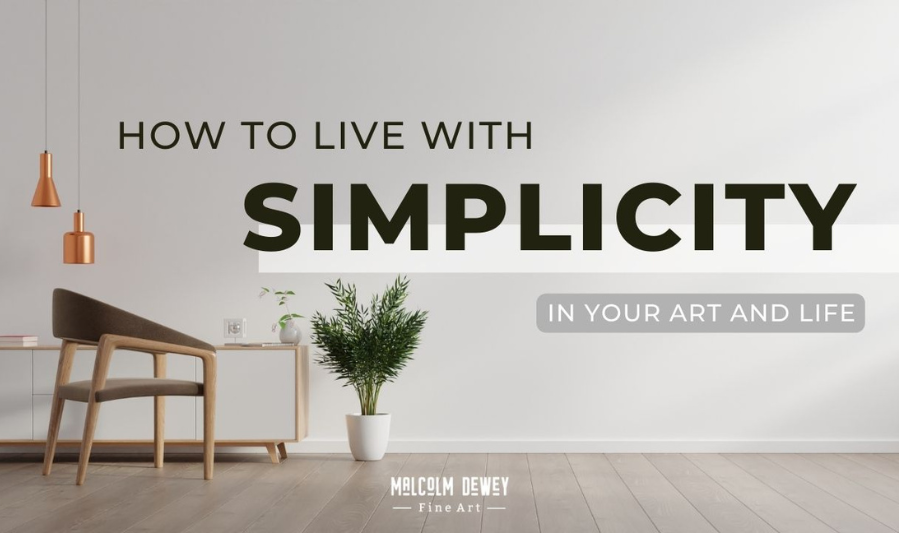
Simplicity is a fundamental principle of modern interiors because it promotes comfort, organization, and visual harmony.
Reduces Visual Clutter
Simple designs eliminate unnecessary distractions, helping spaces feel calm and relaxing.
Enhances Functionality
With fewer unnecessary items, rooms become easier to use and maintain.
Creates Timeless Appeal
Simple interiors tend to age better than heavily trend-driven designs, making them a long-lasting design choice.
Improves Daily Living
Organized and uncluttered environments can contribute to greater comfort and reduced stress.
Benefits of a Modern Interior
Modern interior design offers practical and aesthetic advantages for homeowners.
Better Space Utilization
- Maximizes usable space
- Encourages efficient layouts
- Supports multifunctional living
Enhanced Comfort
- Promotes open and breathable interiors
- Improves movement and flow
- Creates relaxing living environments
Easier Maintenance
- Fewer decorative elements to manage
- Simpler cleaning routines
- Better organization systems
Timeless Style
- Clean and elegant appearance
- Adaptable to changing trends
- Suitable for homes of all sizes
What This Guide Covers

This guide explores the key principles and practical applications of modern interior design.
Topics Included
- Core principles of modern interiors
- Color palettes and material choices
- Furniture and layout ideas
- Lighting and décor strategies
- Space-saving design solutions
- Modern living room, bedroom, and kitchen inspiration
Understanding Modern Interior Design
Modern interior design is built around the idea that a home should be both beautiful and highly functional. Every design choice is intentional, contributing to a space that feels organized, comfortable, and visually balanced.
Core Principles of Modern Design
Modern interiors follow a set of design principles that guide furniture selection, layout planning, and decorating decisions.
Main Principles
- Simplicity
- Functionality
- Balance
- Comfort
- Quality over quantity
These principles help create cohesive spaces that remain practical and attractive over time.
Simplicity and Functionality
Simplicity and functionality work together to form the foundation of modern design.
Simplicity
- Clean visual appearance
- Minimal unnecessary decoration
- Focus on essential elements
Functionality
- Furniture serves practical purposes
- Layouts support daily activities
- Storage solutions reduce clutter
Benefits
- Easier organization
- Improved efficiency
- More relaxing environment
Clean and Organized Spaces
Modern homes prioritize order and visual clarity.
Characteristics
- Open surfaces
- Defined storage areas
- Thoughtful furniture placement
- Limited decorative excess
Design Benefits
- Makes rooms feel larger
- Improves comfort and usability
- Creates a calm atmosphere
Organization Strategies
- Use hidden storage solutions
- Keep countertops and surfaces clear
- Select multifunctional furniture
Modern vs Traditional Design
Modern and traditional interiors differ significantly in appearance and approach.
Modern Design
- Clean lines
- Minimal ornamentation
- Open layouts
- Neutral color schemes
- Functional furniture
Traditional Design
- Decorative details
- Rich patterns and textures
- Formal room arrangements
- Classic furniture styles
- Layered décor elements
Key Difference
Modern design emphasizes simplicity and practicality, while traditional design focuses on decorative richness and historical influences.
Final Thoughts
Understanding the principles of modern interior design provides a strong foundation for creating stylish and functional homes. By embracing simplicity, organization, and purposeful design, homeowners can build spaces that are comfortable, efficient, and timeless.
Choosing a Simple Color Palette
A simple color palette is one of the defining features of modern interior design. In 2026, homeowners continue to favor clean, neutral tones that create calm, spacious, and timeless interiors. A well-chosen color palette serves as the foundation for furniture, décor, and architectural elements, helping maintain visual harmony throughout the home.
Importance of Neutral Colors
Neutral colors are widely used in modern interiors because they create a balanced and versatile backdrop.
Why Neutral Colors Work
- Make spaces feel larger and brighter
- Create a calm and relaxing atmosphere
- Complement a wide range of furniture styles
- Provide timeless appeal that does not quickly go out of style
- Allow textures and materials to stand out
Design Benefits
Neutral palettes help reduce visual clutter and create a cohesive look, making rooms feel more organized and inviting.
Styling Flexibility
Because neutral colors are highly adaptable, homeowners can easily update décor, textiles, or accent pieces without redesigning the entire space.
Popular Modern Color Choices
Modern interiors often rely on a combination of soft neutral shades to achieve a clean and sophisticated appearance.
White
White remains one of the most popular colors in modern design.
Characteristics
- Bright and reflective
- Clean and timeless appearance
- Creates an open and airy feel
Benefits
- Maximizes natural light
- Makes small rooms appear larger
- Provides a versatile backdrop for décor
Styling Tips
- Layer different shades of white for depth
- Add natural textures to create warmth
- Use warm lighting to soften the overall look
Beige
Beige introduces warmth while maintaining the simplicity of a neutral palette.
Characteristics
- Soft and inviting tone
- Natural and versatile appearance
- Works well with various materials
Benefits
- Creates a cozy atmosphere
- Complements wood and natural textures
- Adds warmth without overwhelming the space
Styling Tips
- Pair with linen and cotton fabrics
- Use wood accents for a balanced look
- Layer multiple shades of beige for visual interest
Gray
Gray is a modern neutral that brings sophistication and depth to interiors.
Characteristics
- Available in warm and cool tones
- Elegant and understated appearance
- Suitable for contemporary spaces
Benefits
- Adds subtle contrast
- Enhances modern aesthetics
- Works well with both light and dark accents
Styling Tips
- Combine with white for a crisp look
- Add warm textures to create balance
- Use darker gray accents sparingly for depth
Cream
Cream offers the brightness of white with a softer, warmer feel.
Characteristics
- Warm neutral tone
- Comfortable and welcoming appearance
- Less stark than pure white
Benefits
- Creates a cozy environment
- Reflects light effectively
- Works well in comfort-focused interiors
Styling Tips
- Pair with beige and soft brown accents
- Use textured fabrics for added warmth
- Incorporate greenery for natural contrast
Final Thoughts
A simple color palette is essential for achieving a successful modern interior. By using neutral shades such as white, beige, gray, and cream, homeowners can create spaces that feel bright, elegant, and timeless. These versatile colors provide the perfect foundation for a modern home that balances style, comfort, and functionality.
Decluttering for a Modern Look
Decluttering is one of the most effective ways to achieve a modern interior design aesthetic. Modern homes emphasize simplicity, organization, and functionality, making clutter-free spaces essential for creating a clean and inviting environment. In 2026, decluttering remains a key design strategy for improving both the appearance and usability of a home.
Why Clutter-Free Spaces Matter
A clutter-free space not only looks better but also contributes to a more comfortable and efficient lifestyle.
Visual Benefits
- Makes rooms appear larger and more open
- Creates a clean and polished appearance
- Enhances the impact of furniture and décor
- Improves overall visual balance
Functional Benefits
- Easier movement throughout the home
- Faster cleaning and maintenance
- Improved organization and accessibility
- Better use of available space
Emotional Benefits
- Reduces feelings of stress and overwhelm
- Creates a calmer atmosphere
- Promotes focus and relaxation
- Encourages mindful living habits
Easy Decluttering Tips
Decluttering does not have to be overwhelming. Small, consistent actions can make a significant difference.
Start with One Area at a Time
Focus on a single room, closet, or surface instead of attempting to organize the entire home at once.
Follow the “Keep, Donate, Discard” Method
Sort items into three categories:
- Keep items that are useful or meaningful
- Donate items that are still in good condition
- Discard broken or unnecessary items
Clear Flat Surfaces
Keep countertops, tables, and shelves as open as possible to create a cleaner visual appearance.
Limit Decorative Items
Choose a few meaningful décor pieces rather than displaying many small accessories.
Organizing Daily Essentials
Daily-use items should be easy to access while remaining neatly stored.
Create Designated Storage Areas
Assign a specific place for commonly used items such as:
- Keys
- Wallets
- Bags
- Remote controls
- Charging cables
Use Storage Solutions
- Decorative baskets
- Drawer organizers
- Storage trays
- Floating shelves
- Storage ottomans
Keep Frequently Used Items Accessible
Store everyday essentials where they are most often needed to improve convenience and organization.
Maintaining a Clean Home
Long-term organization depends on consistent habits rather than occasional deep cleaning.
Develop Daily Routines
Simple daily habits can prevent clutter from accumulating.
Examples:
- Make the bed each morning
- Return items to their designated places
- Clear countertops before bedtime
- Spend a few minutes tidying each day
Adopt the One-In, One-Out Rule
For every new item brought into the home, consider removing an existing item to maintain balance.
Schedule Regular Decluttering Sessions
Review storage areas periodically to remove items that are no longer needed.
Prioritize Quality Over Quantity
Keeping fewer but more meaningful possessions supports both organization and modern design principles.
Final Thoughts
Decluttering is a foundational step in creating a modern, stylish home. By reducing unnecessary items, organizing daily essentials, and maintaining simple cleaning habits, homeowners can enjoy spaces that feel more open, functional, and visually appealing. A clutter-free environment not only enhances interior design but also contributes to a more comfortable and stress-free lifestyle.
Selecting Functional Furniture
Functional furniture is a cornerstone of modern interior design. In 2026, homeowners are prioritizing furniture that not only looks stylish but also improves comfort, organization, and everyday usability. The right furniture choices can maximize space, reduce clutter, and create a more efficient living environment.
Importance of Practical Furniture
Practical furniture is designed to support daily activities while enhancing the overall design of a home.
Why Functionality Matters
- Improves everyday comfort and convenience
- Maximizes available living space
- Reduces unnecessary clutter
- Supports better organization
- Increases long-term value and usability
Benefits of Practical Furniture
- Easier room maintenance
- Greater flexibility for changing needs
- Better use of small and large spaces
- More efficient home layouts
Modern Design Philosophy
In modern interiors, furniture should combine aesthetics and functionality, ensuring every piece serves a clear purpose.
Multifunctional Furniture Ideas
Multifunctional furniture is especially valuable in modern homes because it performs more than one function.
Sofa Beds
Sofa beds provide comfortable seating during the day and transform into sleeping space when needed.
Benefits:
- Ideal for guest accommodations
- Saves space in smaller homes
- Reduces the need for extra furniture
Storage Ottomans
Storage ottomans combine seating, storage, and decorative appeal.
Uses:
- Store blankets and pillows
- Organize magazines and accessories
- Provide additional seating
Extendable Dining Tables
These tables can expand for gatherings and contract for everyday use.
Benefits:
- Saves space
- Increases flexibility
- Suitable for multifunctional rooms
Lift-Top Coffee Tables
Coffee tables with adjustable tops can function as workstations, dining surfaces, or storage units.
Space-Saving Solutions
Modern furniture often incorporates innovative features that help maximize available space.
Wall-Mounted Furniture
- Floating desks
- Wall-mounted shelves
- Fold-down tables
Benefits:
- Frees floor space
- Creates a cleaner appearance
- Enhances openness
Foldable Furniture
- Folding chairs
- Foldable desks
- Collapsible dining tables
Benefits:
- Easy storage
- Flexible usage
- Ideal for compact homes
Built-In Furniture
Custom built-in furniture maximizes storage while maintaining a seamless appearance.
Examples:
- Built-in wardrobes
- Window seating with storage
- Wall-integrated shelving
Modern Furniture Trends
Furniture trends in 2026 focus on simplicity, comfort, and adaptability.
Curved Furniture Designs
Soft curves are replacing sharp edges, creating more inviting and comfortable interiors.
Modular Furniture
Modular systems allow homeowners to rearrange and customize layouts according to changing needs.
Sustainable Materials
Eco-conscious furniture made from responsibly sourced materials continues to grow in popularity.
Popular Materials:
- Natural wood
- Bamboo
- Recycled materials
- Organic fabrics
Neutral Color Palettes
Furniture in shades of white, beige, gray, and warm earth tones remains a dominant trend in modern interiors.
Comfort-Focused Design
Deep seating, plush cushions, and ergonomic features are increasingly important as homes become multifunctional living environments.
Final Thoughts
Selecting functional furniture is essential for creating a modern home that balances style and practicality. By investing in practical pieces, embracing multifunctional designs, utilizing space-saving solutions, and following contemporary furniture trends, homeowners can build interiors that are comfortable, efficient, and visually appealing.
You may also like to read these posts:
Home Inspiration Ideas for Beginners: Simple Ways to Transform Your Space
Simple and Creative Home Inspiration Tips for Modern Living
Maximizing Natural Light
Natural light is one of the most valuable elements in modern interior design. It enhances the appearance of a space, improves mood, and makes rooms feel larger and more welcoming. In 2026, homeowners continue to prioritize natural lighting as a key strategy for creating bright, healthy, and visually appealing interiors.
Benefits of Natural Lighting
Natural light offers both aesthetic and practical advantages that contribute to a better living environment.
Visual Benefits
- Makes rooms feel larger and more open
- Enhances colors and textures
- Creates a fresh and airy atmosphere
- Reduces the need for artificial lighting during the day
Wellness Benefits
- Supports a positive mood and well-being
- Helps regulate natural sleep cycles
- Creates a stronger connection to the outdoors
- Contributes to a more comfortable living environment
Energy Efficiency Benefits
- Reduces electricity consumption
- Lowers energy costs
- Supports sustainable living practices
Window Treatment Ideas
The right window treatments can maximize natural light while maintaining privacy and style.
Sheer Curtains
Sheer curtains allow sunlight to filter into a room while softening harsh glare.
Benefits:
- Maintains privacy
- Creates a light and airy appearance
- Complements modern interiors
Light-Colored Drapes
Neutral-colored drapes reflect more light and help brighten interiors.
Popular Choices:
- White
- Cream
- Beige
- Soft gray
Minimal Window Coverings
Simple blinds or roller shades create a clean look while allowing maximum light exposure.
Avoid Heavy Fabrics
Dark or thick curtains can block valuable sunlight and make rooms feel smaller.
Mirror Placement Tips
Mirrors are one of the most effective tools for increasing the impact of natural light.
Position Mirrors Opposite Windows
Placing mirrors across from windows reflects light throughout the room.
Benefits:
- Brightens darker areas
- Creates the illusion of additional windows
- Enhances spaciousness
Use Large Mirrors
Larger mirrors maximize light reflection and make rooms feel more open.
Incorporate Mirrored Furniture
Mirrored surfaces can subtly increase brightness without overwhelming the design.
Reflect Attractive Views
Position mirrors to reflect outdoor scenery or focal points for added visual interest.
Brightening Dark Rooms
Even rooms with limited natural light can be made brighter through thoughtful design choices.
Use Light Color Palettes
Choose colors that reflect light effectively.
Recommended Colors:
- White
- Cream
- Beige
- Soft gray
Select Reflective Surfaces
Materials such as glass, polished metal, and glossy finishes help distribute available light.
Keep Windows Unobstructed
Avoid placing large furniture pieces in front of windows.
Layer Artificial Lighting
Supplement natural light with:
- Ambient lighting
- Task lighting
- Accent lighting
Reduce Visual Clutter
A clean and organized room allows light to move more freely throughout the space.
Final Thoughts
Maximizing natural light is one of the simplest and most effective ways to improve a modern interior. By using appropriate window treatments, strategically placing mirrors, and making smart design choices, homeowners can create brighter, more spacious, and more inviting living environments that support both comfort and style.
Faqs:
What are the basic principles of modern interior design?
Modern interior design focuses on simplicity, functionality, clean lines, neutral color palettes, and clutter-free spaces. The goal is to create a comfortable and visually appealing environment.
How can I make my home look modern on a budget?
You can achieve a modern look by decluttering, using neutral colors, updating lighting, adding indoor plants, repurposing furniture, and choosing simple decor accessories that complement your space.
What colors work best in modern interiors?
Popular modern interior colors include white, beige, cream, gray, and soft earthy tones. These colors create a clean, bright, and timeless appearance.
How do I reduce clutter in my home?
Start by removing unused items, organizing storage spaces, using multifunctional furniture, and keeping surfaces clear. Regular decluttering helps maintain a modern and organized home.
Is modern interior design suitable for small homes?
Yes, modern interior design is ideal for small homes because it emphasizes space-saving furniture, minimal decor, efficient layouts, and light color schemes that make rooms feel larger and more open.
Conclusion
Simple modern interior design is all about creating a home that feels clean, comfortable, and functional without unnecessary complexity. By focusing on neutral colors, practical furniture, natural materials, and clutter-free spaces, you can achieve a timeless look that enhances both style and everyday living.
The beauty of modern design lies in its simplicity. Small changes such as improving lighting, adding indoor plants, or choosing purposeful decor can make a significant impact on the overall atmosphere of your home.
By applying these simple modern interior design tips, you can create a welcoming and elegant space that reflects your personality while remaining practical and easy to maintain.