
Introduction
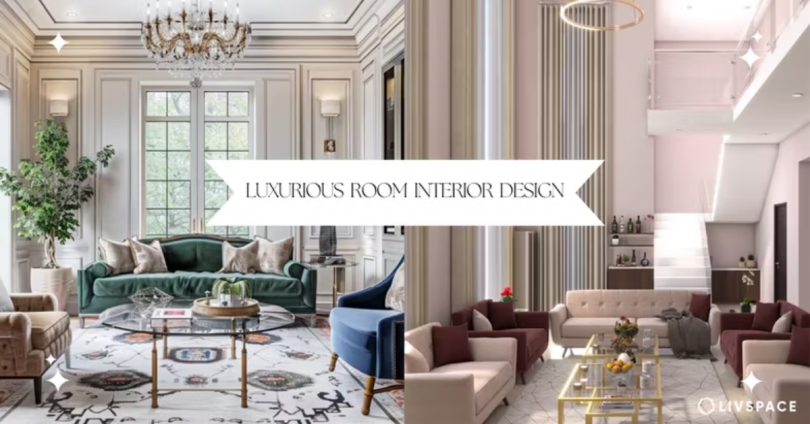
Luxury modern interiors in 2026 represent a refined blend of elegance, comfort, and contemporary design. Unlike purely decorative styles of the past, modern luxury focuses on understated sophistication, high-quality materials, and thoughtfully designed spaces that enhance both lifestyle and well-being.
What Are Luxury Modern Interiors?
Luxury modern interiors refer to high-end design approaches that combine modern simplicity with premium finishes, curated décor, and exceptional attention to detail. The goal is to create spaces that feel elegant, comfortable, and timeless rather than overly ornate or flashy.
Key Characteristics
- Premium materials such as marble, wood, and metal accents
- Clean and refined modern layouts
- High-quality furniture and craftsmanship
- Balanced color palettes with rich neutrals
- Carefully curated décor elements
- Subtle but impactful lighting design
Core Design Philosophy
Luxury modern interiors prioritize quality over quantity, focusing on fewer but more impactful design elements.
Why Luxury Design Matters in 2026
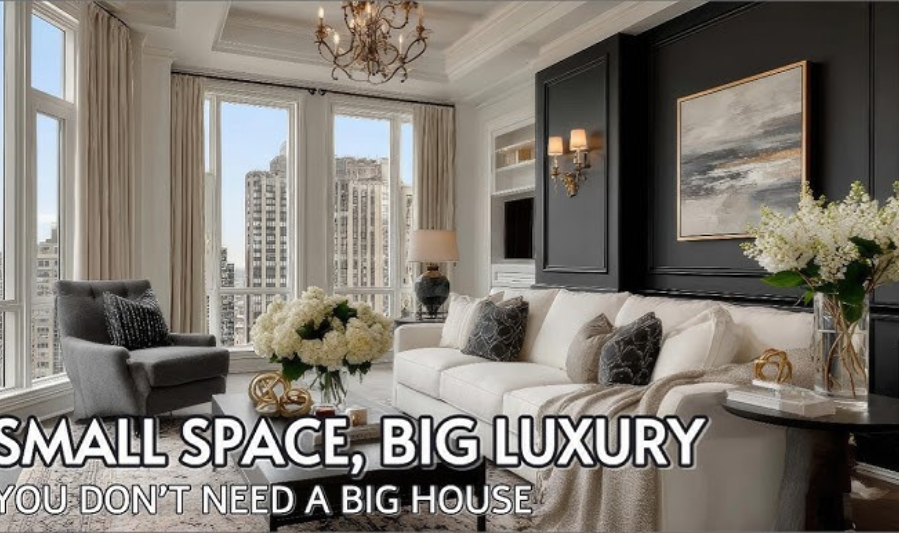
Luxury interior design has evolved to reflect changing lifestyle expectations and a growing emphasis on comfort and personalization.
Key Reasons
- Increased demand for comfort-driven luxury living
- Integration of smart home technology
- Growing appreciation for timeless, durable design
- Desire for personalized and unique interiors
- Focus on wellness-oriented living spaces
Modern Luxury Lifestyle
Luxury is no longer defined only by appearance but by how a space feels and functions in daily life.
Difference Between Standard and Luxury Interiors
While both styles aim to create functional living spaces, luxury interiors focus more on refinement, detail, and material quality.
Standard Interiors
- Focus on basic functionality and affordability
- Use of mass-produced furniture and décor
- Simpler materials and finishes
- Limited customization
Luxury Interiors
- Emphasis on premium materials and craftsmanship
- Custom or designer furniture pieces
- Detailed lighting and architectural design
- Personalized and curated styling
- Greater attention to spatial harmony
Key Distinction
Luxury design is defined by refinement and experience, not just cost.
What This Guide Covers
This guide explores the essential elements of luxury modern interiors and how to apply them in contemporary homes.
Topics Included
- Key principles of luxury modern design
- High-end materials and finishes
- Furniture and layout strategies
- Lighting design concepts
- Color palettes for luxury interiors
- Modern luxury living room, bedroom, and kitchen ideas
- Tips for achieving luxury on different budgets
Final Thoughts
Luxury modern interiors in 2026 are about creating spaces that feel elegant, comfortable, and thoughtfully designed. By focusing on quality materials, refined aesthetics, and personalized details, homeowners can achieve a sense of modern luxury that is both timeless and functional.
Key Elements of Luxury Modern Interiors
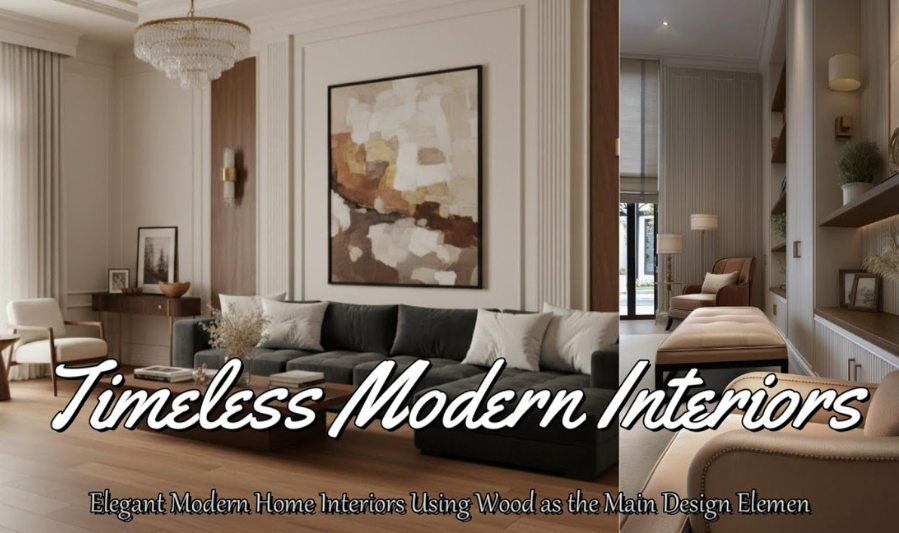
Luxury modern interiors in 2026 are defined by refinement, restraint, and attention to detail. Instead of overwhelming spaces with decoration, this style focuses on carefully curated elements that create a sense of elegance, comfort, and timeless appeal.
Focus on Quality Over Quantity
One of the most important principles in luxury interior design is prioritizing quality rather than filling a space with numerous items.
Key Idea
Fewer, well-crafted pieces create a stronger visual and emotional impact than many average-quality items.
Characteristics
- High-quality furniture and finishes
- Carefully selected décor pieces
- Limited but impactful design elements
- Emphasis on craftsmanship
Benefits
- Creates a more refined and sophisticated look
- Reduces visual clutter
- Enhances long-term durability and value
- Makes interiors feel more intentional
Design Approach
- Invest in statement furniture pieces
- Avoid unnecessary decoration
- Choose timeless designs over trends
Importance of Space and Balance
Space and balance are essential in luxury interiors, allowing each design element to stand out.
Use of Negative Space
Empty space is used intentionally to enhance elegance and clarity.
- Prevents overcrowding
- Highlights key furniture pieces
- Improves visual flow
Balanced Layouts
Symmetry and proportion are often used to create harmony.
- Even furniture distribution
- Proper spacing between elements
- Visual alignment of focal points
Benefits
- Creates a calm and organized environment
- Enhances architectural features
- Improves overall spatial experience
Elegant Simplicity Concept
Luxury modern design embraces simplicity, but in a refined and sophisticated way.
Key Features
- Clean lines and minimal clutter
- Soft, neutral color palettes
- Subtle decorative accents
- Carefully layered textures
Design Philosophy
Elegance is achieved through restraint—every element is purposeful and contributes to the overall aesthetic.
Styling Tips
- Use simple but high-impact décor pieces
- Keep color schemes consistent
- Avoid overly ornate or busy designs
Use of Premium Finishes
Premium finishes play a crucial role in defining luxury interiors and elevating the overall look and feel of a space.
Common Materials
- Marble and natural stone
- Polished wood finishes
- Brushed metal accents (brass, gold, black steel)
- High-end fabrics like velvet, silk, and linen
Application Areas
- Flooring and countertops
- Furniture surfaces
- Lighting fixtures
- Wall accents and décor details
Benefits
Final Thoughts
The key elements of luxury modern interiors revolve around intentional design choices that emphasize quality, balance, simplicity, and premium materials. When combined thoughtfully, these principles create spaces that feel elegant, comfortable, and timeless, reflecting true modern luxury living.
Luxury Color Palettes
Luxury color palettes in 2026 focus on sophistication, warmth, and timeless elegance. Instead of bold or overly bright combinations, modern luxury interiors rely on refined neutrals and rich accent tones that create a calm, upscale atmosphere. These colors are carefully selected to enhance space, highlight materials, and maintain visual harmony.
Popular Elegant Colors
Luxury interiors are built on a foundation of soft, neutral shades paired with deeper accent tones for contrast and depth.
White
White remains a cornerstone of luxury interior design due to its purity and versatility.
Key Characteristics
- Clean and bright appearance
- Enhances natural light
- Creates a spacious feel
Design Benefits
- Provides a timeless base for luxury spaces
- Highlights architectural details and materials
- Works well with all accent colors
Styling Approach
- Use soft or warm white tones instead of stark white
- Pair with textured materials like marble or linen
- Balance with warm lighting for comfort
Beige
Beige adds warmth and softness to luxury interiors while maintaining neutrality.
Key Characteristics
- Warm, elegant neutral tone
- Soft and inviting appearance
- Highly adaptable to different styles
Design Benefits
- Creates a cozy yet sophisticated atmosphere
- Blends seamlessly with natural materials
- Acts as a perfect background for premium finishes
Styling Approach
- Layer different shades of beige for depth
- Combine with wood and stone textures
- Use as a dominant wall or furniture color
Champagne
Champagne is a subtle, elegant tone that adds a sense of refinement and understated luxury.
Key Characteristics
- Soft golden-beige hue
- Slightly warm metallic undertone
- Refined and sophisticated appearance
Design Benefits
- Adds a touch of richness without being overpowering
- Works well in both modern and classic interiors
- Enhances lighting reflections and ambiance
Styling Approach
- Use in accent décor or textiles
- Pair with white and cream for softness
- Combine with gold or brass finishes for elegance
Deep Brown Accents
Deep brown tones bring depth, contrast, and grounding to luxury interiors.
Key Characteristics
- Rich, dark natural shade
- Strong connection to wood and leather
- Warm and grounding effect
Design Benefits
- Adds contrast to light luxury palettes
- Enhances sense of stability and richness
- Creates visual depth in spacious rooms
Styling Approach
- Use in furniture like sofas, tables, or cabinets
- Combine with beige and white bases
- Incorporate through wood flooring or paneling
Final Thoughts
Luxury color palettes in 2026 are defined by elegance, subtle contrast, and timeless appeal. By combining white, beige, champagne, and deep brown accents, interiors achieve a balanced look that feels both sophisticated and welcoming while maintaining a strong sense of modern luxury.
Premium Materials and Textures
Premium materials and textures are at the heart of luxury modern interiors in 2026. They define the quality, depth, and visual richness of a space more than any decorative element. Instead of relying on excessive ornamentation, luxury design focuses on carefully chosen materials that elevate both aesthetics and comfort.
Marble and Natural Stone
Marble and natural stone are timeless luxury materials that bring elegance and permanence to interior spaces.
Key Characteristics
- Unique natural patterns and veining
- Cool, polished surface appearance
- Strong, durable structure
Common Applications
- Kitchen countertops and islands
- Bathroom vanities and walls
- Feature walls in living areas
- Flooring and decorative accents
Design Benefits
- Adds instant luxury and sophistication
- Creates a high-end, architectural feel
- Enhances light reflection and spaciousness
- Offers long-lasting durability
Styling Approach
- Pair marble with warm lighting for balance
- Combine with wood for contrast
- Use sparingly to avoid visual heaviness
Velvet and Leather Finishes
Velvet and leather introduce softness and richness, adding comfort and elegance to luxury interiors.
Velvet
- Soft, plush texture with a rich appearance
- Often used in deep, saturated colors
- Creates a sense of warmth and opulence
Common Uses:
- Upholstered sofas and chairs
- Cushions and decorative pillows
- Curtains and headboards
Leather
- Smooth, durable, and refined material
- Associated with timeless sophistication
- Ages beautifully over time
Common Uses:
- Sofas and lounge chairs
- Accent furniture pieces
- Office and study seating
Design Benefits
- Adds tactile richness and comfort
- Enhances visual depth and contrast
- Works well in both modern and classic interiors
Polished Wood Elements
Polished wood brings warmth, balance, and natural elegance into luxury modern spaces.
Key Characteristics
- Smooth, refined surface finish
- Visible natural grain patterns
- Warm and inviting tone
Common Applications
- Flooring and wall paneling
- Furniture such as tables and cabinets
- Ceiling beams and architectural details
Design Benefits
- Softens modern interiors
- Adds natural warmth to luxury spaces
- Creates a timeless, balanced aesthetic
- Complements stone and metal finishes
Styling Approach
- Use darker wood for dramatic contrast
- Combine with neutral color palettes
- Keep finishes smooth and refined
Mixing Textures Elegantly
In luxury interiors, combining materials thoughtfully is essential to achieving depth without clutter.
Key Principles
- Balance soft and hard textures
- Limit the number of dominant materials
- Maintain a cohesive color palette
- Use contrast intentionally
Effective Combinations
- Marble + velvet for elegance and softness
- Wood + leather for warmth and richness
- Stone + polished metal for modern luxury
Design Tips
- Choose one primary material per space
- Layer textures subtly rather than excessively
- Ensure consistency across adjoining rooms
- Use lighting to highlight material quality
Final Thoughts
Premium materials and textures define the essence of luxury modern interiors. By thoughtfully using marble, velvet, leather, and polished wood—and combining them with balance and restraint—interiors achieve a refined, elegant, and timeless aesthetic that feels both comfortable and sophisticated.
Statement Lighting Designs
Statement lighting is one of the most defining elements of luxury modern interiors in 2026. Beyond providing visibility, lighting is used as a design feature that shapes mood, highlights architecture, and enhances the overall sense of elegance in a space. Carefully chosen lighting fixtures act as focal points that elevate the entire interior aesthetic.
Importance of Lighting in Luxury Interiors
Lighting plays a central role in creating atmosphere, depth, and visual impact in luxury homes.
Key Functions of Lighting
- Enhances architectural details and materials
- Creates mood and ambiance
- Highlights focal points and décor elements
- Improves spatial perception and depth
- Adds visual drama and elegance
Design Impact
In luxury interiors, lighting is not just functional—it is an essential design statement that defines the character of the space.
You may also like to read these posts:
Home Inspiration Ideas for Beginners: Simple Ways to Transform Your Space
Simple and Creative Home Inspiration Tips for Modern Living
Layered Lighting Concept
Luxury spaces often combine multiple lighting layers:
- Ambient lighting for overall illumination
- Task lighting for functionality
- Accent lighting for highlighting features
Types of Lighting
Luxury modern interiors use a combination of statement and subtle lighting elements to create a balanced and visually rich environment.
Chandeliers
Chandeliers are iconic luxury lighting fixtures that instantly elevate any space.
Key Characteristics
- Bold and decorative centerpiece
- Available in modern, classic, and minimalist styles
- Often designed with glass, crystal, or metal finishes
Common Applications
- Living rooms
- Dining areas
- Entryways and foyers
Design Benefits
- Creates a strong focal point
- Adds elegance and sophistication
- Enhances vertical space and grandeur
Styling Approach
- Choose designs that match room scale
- Pair with minimal décor to avoid overcrowding
- Use warm lighting for a soft glow
Pendant Lights
Pendant lights offer a more modern and versatile approach to luxury lighting design.
Key Characteristics
- Suspended single or grouped fixtures
- Available in sleek, minimalist designs
- Often used in geometric or sculptural forms
Common Applications
- Kitchen islands
- Dining tables
- Bedroom corners or seating areas
Design Benefits
- Adds focused lighting with style
- Creates visual interest at eye level
- Works well in clusters for dramatic effect
Styling Approach
- Use multiple pendants for symmetry
- Mix materials like glass and metal
- Align lighting with furniture layout
LED Ambient Lighting
LED ambient lighting is essential for creating subtle, layered illumination in modern luxury interiors.
Key Characteristics
- Soft, indirect lighting effect
- Energy-efficient and long-lasting
- Often hidden within architectural features
Common Applications
- Ceiling coves and recesses
- Under cabinets and shelves
- Behind mirrors or wall panels
Design Benefits
- Creates a warm and inviting atmosphere
- Enhances depth and spatial perception
- Highlights textures and architectural lines
Styling Approach
- Use warm white tones for comfort
- Combine with statement fixtures for balance
- Keep lighting concealed for a clean look
Final Thoughts
Statement lighting is a cornerstone of luxury modern interiors, transforming ordinary spaces into visually striking environments. By combining chandeliers, pendant lights, and LED ambient lighting, homeowners can create layered illumination that enhances elegance, functionality, and atmosphere throughout the home.
Faqs:
What are luxury modern interiors?
Luxury modern interiors are high-end home designs that focus on elegance, simplicity, premium materials, and well-balanced layouts to create a stylish and comfortable living space.
How can I make my home look luxurious on a budget?
You can achieve a luxury look by using neutral colors, adding good lighting, choosing minimal but high-quality decor pieces, using mirrors, and focusing on clean and organized spaces.
What colors are best for luxury interior design?
Luxury interiors often use elegant and timeless colors such as white, beige, cream, champagne tones, soft gray, and deep earthy accents like brown or black.
What materials are commonly used in luxury interiors?
Common materials include marble, natural stone, velvet, leather, polished wood, and high-quality metals that add richness and texture to the space.
Why is lighting important in luxury home design?
Lighting enhances the mood, highlights key design features, and creates a warm, elegant atmosphere. Statement lighting like chandeliers or layered lighting is essential in luxury interiors.
Conclusion
Luxury modern interiors are all about creating a perfect balance between elegance, comfort, and functionality. In 2026, the focus is on clean layouts, premium materials, soft lighting, and carefully selected decor that enhances the overall atmosphere of a home.
You don’t need excessive decoration to achieve a luxury look—simple, well-thought-out design choices can make a much bigger impact. By prioritizing quality over quantity and maintaining a cohesive style, any space can feel refined and high-end.
By applying these luxury modern interiors ideas, you can design a home that is timeless, sophisticated, and truly elegant while still reflecting your personal style.